Home » Experienced Immigration Attorneys in the United States » Asylum Attorneys In The United States

If you are seeking asylum in the United States, navigating the process can be challenging. Having a knowledgeable asylum attorney can greatly improve your chances of success. At Rozas Law Firm, we specialize in helping individuals through the asylum process, providing guidance every step of the way. Our team is dedicated to ensuring that your application is filed correctly and timely, and we work hard to protect your rights throughout the process.

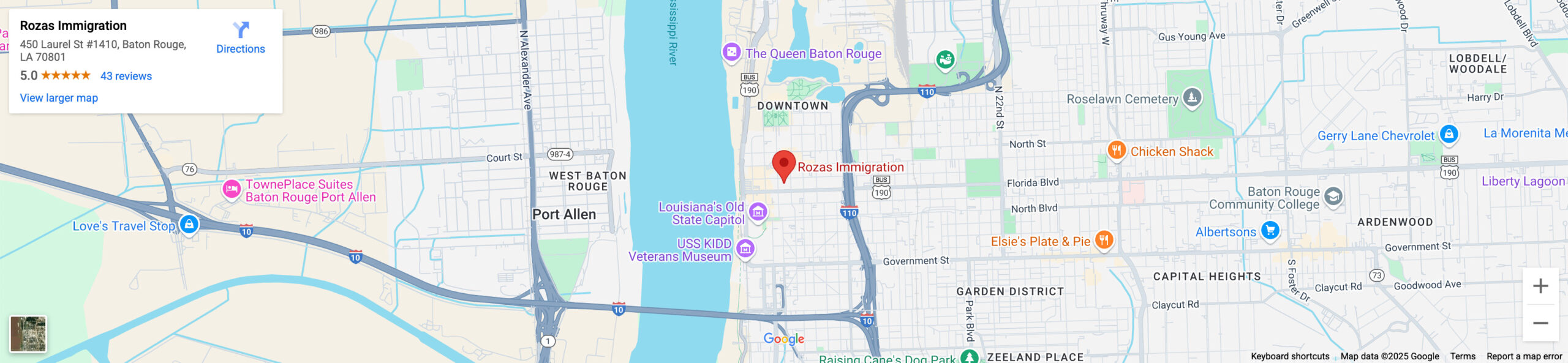
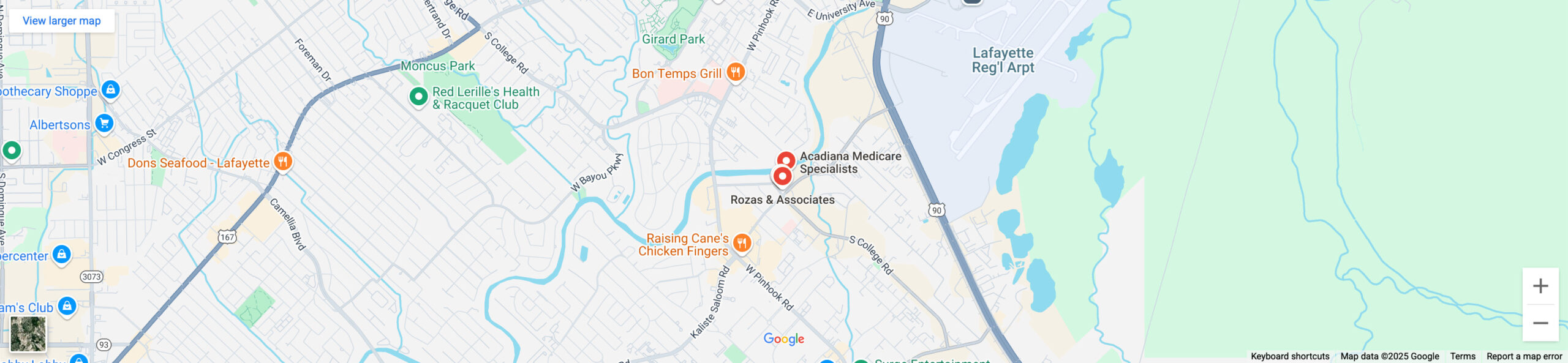
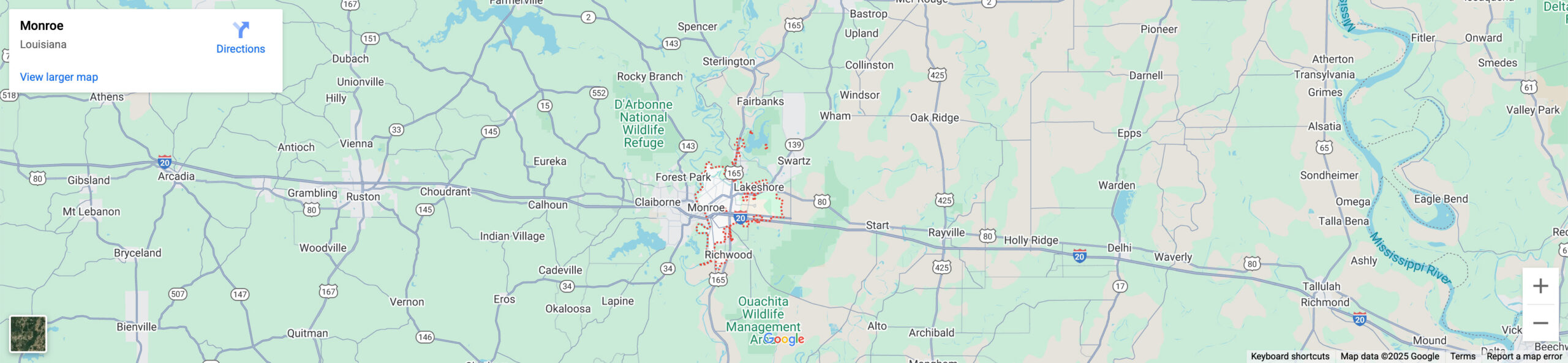
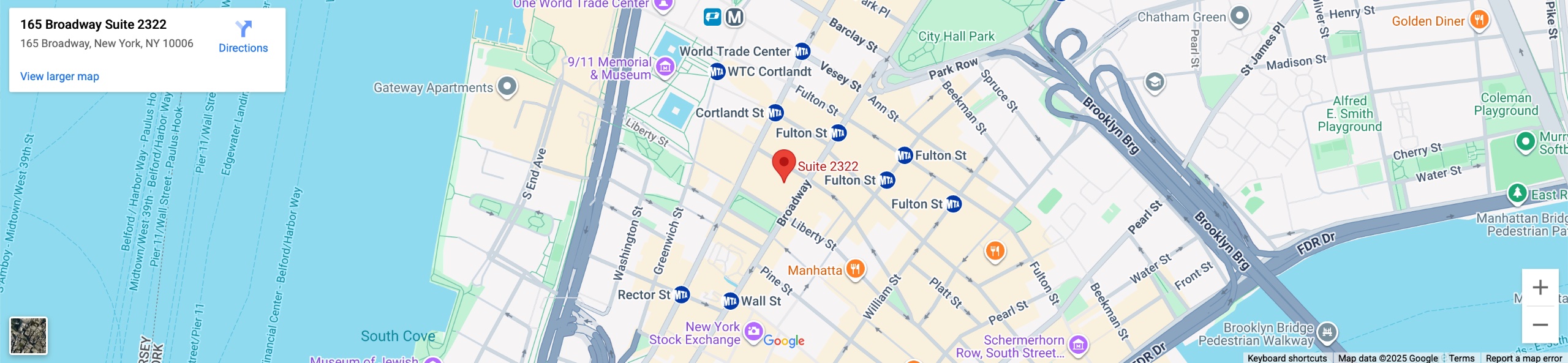
We serve clients across the United States with offices in New York City, Baton Rouge, Monroe, Lafayette, Alexandria, Lake Charles, and Shreveport.

Schedule a virtual consultation with an Attorney

Why You Should Choose Rozas Law Firm for Your Asylum Case

Applying for asylum is a complex process, and it’s essential to have professional guidance. Here’s how Rozas Law Firm can assist:

  1. Comprehensive Asylum Services: We provide complete assistance from the moment you consider filing for asylum. We’ll guide you through the process, ensuring that all forms and supporting documentation are correctly submitted.
  2. Personalized Support: We take the time to understand your situation and create a tailored strategy for your case. We ensure that your application reflects the circumstances of your persecution or fear of harm in your home country.
  3. Full Representation: Whether you need assistance with the asylum interview process or representation in immigration court, our team will be with you every step of the way.
  4. Affordable Consultations: We offer asylum attorney consultations to discuss your case and determine the best path forward for you.
670951036dc4aa3f6b88baaf_shutterstock_1631825611 (1) (1)

Types of Asylum Available

There are various forms of asylum that individuals may qualify for, depending on their specific circumstances. At Rozas Law Firm, we assist clients with several types of asylum:

  • Political Asylum: For individuals facing persecution due to political beliefs or activities.
  • Refugee Status: For individuals unable to return to their home country due to fear of persecution.
  • Gender-Based Asylum: For those who face persecution based on gender identity or sexual orientation.
  • Religious Asylum: For individuals persecuted because of their religious beliefs.

We will assess your situation to determine which type of asylum you qualify for and develop a strategy to support your case.

How to Apply for Asylum in the United States

The asylum process involves several key steps:

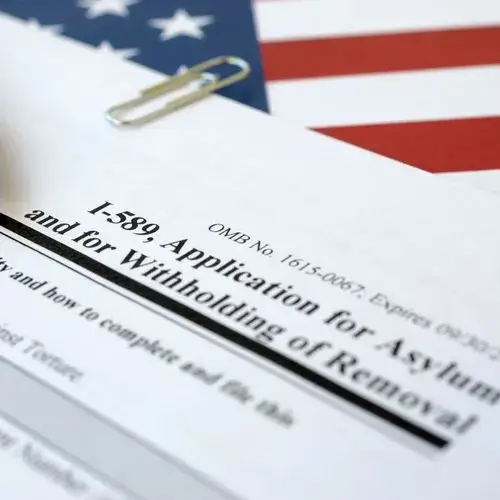
  1. Filing Your Application: You will need to file Form I-589 (Application for Asylum and for Withholding of Removal) within one year of entering the U.S., unless you qualify for an exception.
  2. Supporting Documents: You will need to submit evidence of your persecution or fear of persecution, including affidavits, country reports, and any other supporting documentation.
  3. Asylum Interview: After your application is submitted, you may be scheduled for an asylum interview with a USCIS officer. During this interview, you will present your case for asylum.
  4. Immigration Court Hearing: If USCIS does not approve your asylum case, you may have to attend a hearing in immigration court. Our asylum attorneys will represent you at this hearing.
  5. Final Decision: If your asylum claim is approved, you may stay in the U.S. and eventually apply for permanent residency. If denied, you may appeal the decision.

Exploring the Asylum Application Process in Lafayette

Our Results

K+
Clients Helped
+
Years of Experience
K+
Positive Reviews
670951036dc4aa3f6b88ba22_united-states-of-america

Nationwide Immigration Services

+
Bilingual Staff Members
Asylum-attorney-1x1

Contact Rozas Law Firm for Asylum Attorney Consultation

If you are seeking asylum in the United States, it’s important to have experienced legal representation. Rozas Law Firm is here to provide support and guidance through every step of your asylum case.

Contact us today to schedule an asylum attorney consultation and take the first step towards securing your future in the U.S.

Frequently Asked Questions

Related Blog Posts

The Pros and Cons of Dual Citizenship: What You Need to Know Before Applying

By David Joseph Rozas | December 8, 2025

How a Government Shutdown Affects Immigration

By David Joseph Rozas | November 7, 2025

US Travel Ban 2025: Who’s Affected

By David Joseph Rozas | June 30, 2025

How September 11 Reshaped U.S. Immigration

By David Joseph Rozas | June 30, 2025

Guide to Supplemental Information (Form I-130A)

By David Joseph Rozas | June 30, 2025

Immigrant Detention Centers in Louisiana

By David Joseph Rozas | June 30, 2025

Bond v Parole

By David Joseph Rozas | June 30, 2025

Humanitarian Parole Ends for CHNV

By David Joseph Rozas | June 16, 2025

Supreme Court Clears Path to End TPS for Venezuelans

By David Joseph Rozas | May 20, 2025

Should I Answer Questions About My Immigration Status in Criminal Court?

By David Joseph Rozas | January 23, 2025

Trump’s Push to End Birthright Citizenship: What It Means

By David Joseph Rozas | January 23, 2025

Trump’s Day One: Key Immigration Policy Changes

By David Joseph Rozas | January 21, 2025

CBP One App Cancelled Hours After Trump Takes Office: What It Means for Migrants

By David Joseph Rozas | January 20, 2025

Understanding U.S. Citizenship and Immigration Services (Form I-9)

By David Joseph Rozas | November 7, 2024

Guide to Work Permit (Form I-765)

By David Joseph Rozas | November 7, 2024

Guide to the Petition to Remove Conditions on Residence (Form I-751)

By David Joseph Rozas | November 7, 2024

Guide to Online Immigrant Visa Application (Form DS-260)

By David Joseph Rozas | November 7, 2024

Guide to Family Sponsorship Petition (Form I-130)

By David Joseph Rozas | November 7, 2024

Guide to Application for Adjustment of Status (Form I-485)

By David Joseph Rozas | November 7, 2024

Guide to Affidavit of Support (Form I-864)

By David Joseph Rozas | November 7, 2024

June 2024 Immigration Update

By David Joseph Rozas | June 7, 2024

Legal Issues Faced by Detained Immigrants

By David Joseph Rozas | December 19, 2023

Family Reunification Parole

By David Joseph Rozas | October 25, 2023

Guide to U-Visa for Crime Victims: Everything You Need to Know

By David Joseph Rozas | August 17, 2023

The USCIS Backlog: What it means for Immigration Applicants

By David Joseph Rozas | July 28, 2023

Children Born Out Of Country To United States Citizen Parents

By David Joseph Rozas | July 27, 2023

Understanding the Latest Changes in United States Immigration Policy

By David Joseph Rozas | July 12, 2023

What is SIJS?

By David Joseph Rozas | July 11, 2023

Navigating the United States Immigration Process

By David Joseph Rozas | July 7, 2023

Understanding Different Types of Visas

By David Joseph Rozas | June 13, 2023

How to Apply for K1 Visa

By David Joseph Rozas | May 18, 2023

42-B Cancellation of Removal

By David Joseph Rozas | May 15, 2023

Guide to Voluntary Departure: Everything You Need to Know

By David Joseph Rozas | May 12, 2023

Cuban Adjustment Act Eligibility

By David Joseph Rozas | May 4, 2023

K1 Visa Interview Tips

By David Joseph Rozas | April 12, 2023

Dual Citizenship

By David Joseph Rozas | April 5, 2022

Why Do I Need an Immigration Lawyer?

By David Joseph Rozas | September 20, 2021

What Happens if You Overstay Your Visa and Get Married?

By David Joseph Rozas | June 3, 2020

Can I Apply For a U Visa?

By David Joseph Rozas | June 3, 2020

Asylum in the USA

By David Joseph Rozas | November 12, 2019

What is the VAWA Act?

By David Joseph Rozas | August 26, 2019

Immigration Attorney in Baton Rouge Discusses State Marriage Law Case Affecting Louisiana Immigrant

By David Joseph Rozas | March 31, 2019

Baton Rouge Immigration Attorney Discusses Executive Orders And Immigration

By David Joseph Rozas | March 3, 2017