A violent crime charge in Louisiana can range from a misdemeanor-level assault to a capital murder case, and Louisiana law names more than 60 separate offenses as crimes of violence. These offenses can carry significant penalties, and the consequences of a conviction can vary substantially depending on the specific offense and the defendant’s criminal history.
A Louisiana violent crimes lawyer represents people charged with offenses ranging from assault and battery through armed robbery, weapons charges, and homicide, reviewing the specific charge before building a defense. Rozas has defended Louisiana criminal cases since 2004, with offices across the state.
Below is what Louisiana law counts as a violent crime, which court hears these cases, and what a conviction can mean for parole eligibility down the road.
Schedule a virtual consultation with an Attorney

What Louisiana Classifies as a Violent Crime
Louisiana law (R.S. 14:2) defines a crime of violence as an offense involving the use, attempted use, or threatened use of physical force, or a dangerous weapon, and the statute names more than 60 specific offenses. They generally fall into a few groups:
- Homicide and manslaughter, from murder and homicide charges through manslaughter, negligent homicide, and vehicular homicide
- Assault and battery, including aggravated assault, aggravated battery, and second degree battery
- Robbery and kidnapping, including armed robbery, which carries up to 99 years without parole, probation, or suspension of sentence under R.S. 14:64
- Weapons offenses, including illegal use of a weapon and firearm possession by a convicted felon, which carries 5 to 20 years at hard labor without parole when tied to certain priors
Not every version of these charges is a felony. Some, like a first offense of simple assault, stay at the misdemeanor level, so the exact charge and its classification matter more than the general label.
Which Louisiana Court Hears a Violent Crime Case?
Felony criminal cases are generally handled in the district court with jurisdiction over the parish where the offense is prosecuted, while qualifying lower-level offenses may be handled in a city or parish court. East Baton Rouge Parish cases, for example, go to the 19th Judicial District Court, and Lafayette Parish cases go to the 15th Judicial District Court, each with its own local procedure and docket.
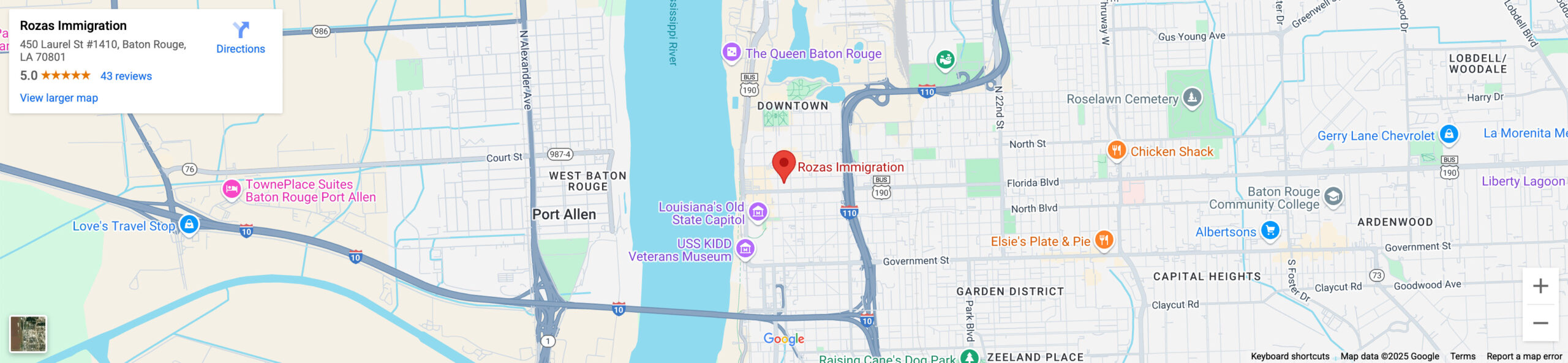
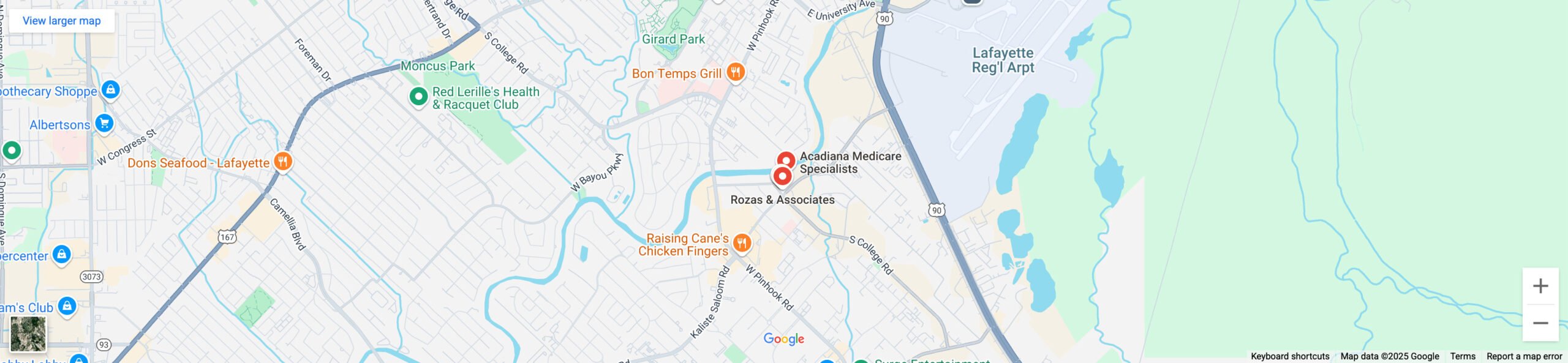
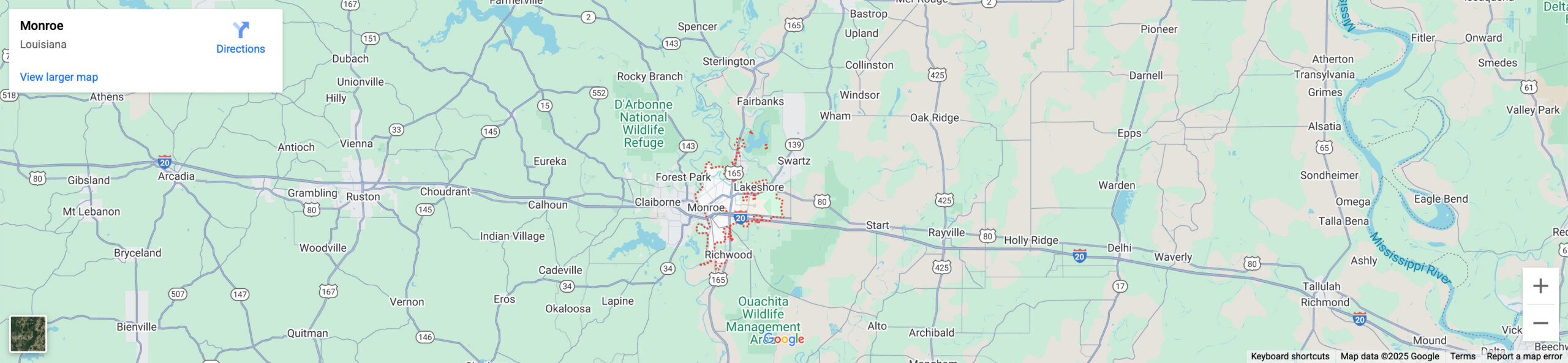
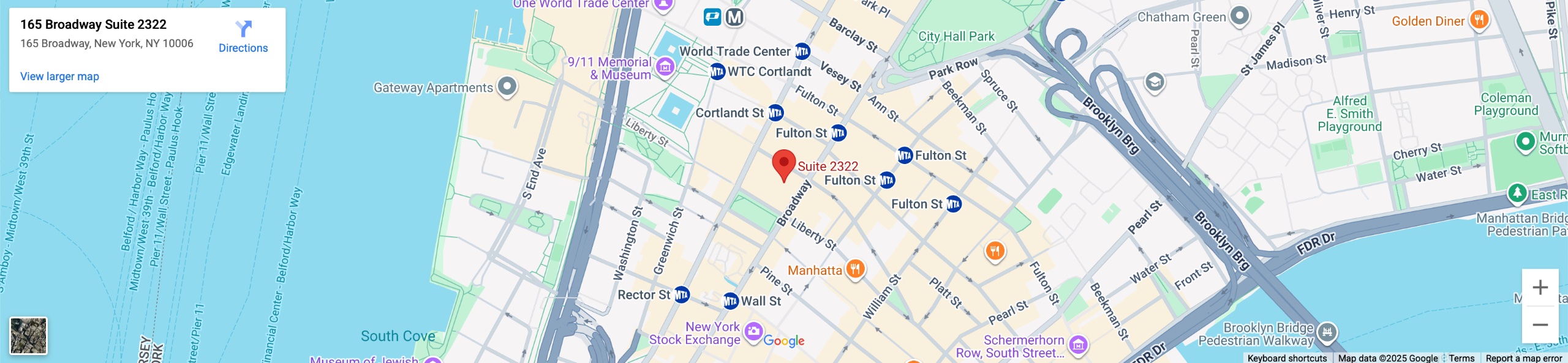
Rozas has offices in Baton Rouge, Lafayette, Shreveport, Lake Charles, Alexandria, and Monroe, so wherever a violent crime charge is filed in Louisiana, there’s likely a local Rozas office familiar with that parish’s court. Our Baton Rouge violent crimes attorney, Lafayette violent crimes lawyer, and Shreveport violent crimes lawyer pages cover the local court details for each of those areas.

Our Results

Nationwide Immigration Services

What Happens to Parole Eligibility After a Violent Crime Conviction in Louisiana?
Louisiana’s parole rules for crimes of violence depend on the offense, conviction history, date of the offense, and other statutory eligibility requirements. Under current law, an otherwise eligible person convicted of a qualifying crime of violence with no prior felony conviction for a crime of violence or sex offense may become eligible for parole consideration after serving 65% of the sentence. A second qualifying conviction can trigger a 75% threshold, while a third or subsequent qualifying conviction can result in parole ineligibility.
These percentages have been changed by legislative amendment over the years, so which one applies depends on the conviction date, not just the current charge. The applicable parole rules can depend on the offense, conviction history, and other facts of the case, making early legal review important. For a case still working through court, an attorney’s ability to affect the eventual charge and classification matters most before conviction.
Why Choose Rozas for Your Louisiana Violent Crime Case
Rozas has represented Louisiana clients in criminal matters since 2004, led by founding attorney David Joseph Rozas and supervising criminal law attorney Shea R. Smith, alongside the firm’s criminal law team. The firm has helped more than 11,000 clients statewide, with an in-house investigator and full-time paralegal support on every case.
Clients working with our Louisiana violent crime defense team get:
- 20+ years handling Louisiana violent crime and felony criminal matters
- Offices in Baton Rouge, Lafayette, Shreveport, Lake Charles, Alexandria, and Monroe, with attorneys familiar with each area’s court system
- An in-house investigator and paralegal team, so cases don’t get passed between staff
- Representation available in English and Spanish, with 22+ bilingual staff members firmwide
Our Louisiana criminal defense team reviews the facts of every case individually before recommending a strategy. No attorney can guarantee how a violent crime case will end, but a full, individualized review of the charge and the evidence is something every client gets before any decision is made.

Talk to a Louisiana Violent Crimes Attorney Today
A violent crime charge moves fast, and the sooner an attorney reviews the case, the more options typically remain, whether that means challenging the evidence, negotiating the charge, or preparing for trial. Rozas has represented clients across Louisiana since 2004, with bilingual staff in English and Spanish.
Reach out through our contact form to speak with a Louisiana violent crimes attorney about your case, or visit your nearest Rozas office in Baton Rouge, Lafayette, Shreveport, Lake Charles, Alexandria, or Monroe to schedule a consultation.
This webpage is for general informational purposes only and does not constitute legal advice. Viewing this page does not create an attorney-client relationship. Prior results do not guarantee a similar outcome in your case. For guidance on your specific situation, contact Rozas directly.
Frequently Asked Questions
Related Blog Posts