.svg)
Consular Processing Lawyers Helping Clients Across the United States
Consular Processing is the immigration process many individuals use to apply for lawful permanent residency through a U.S. embassy or consulate outside the United States. Because immigration procedures and eligibility standards continue to evolve, many applicants choose to work with a consular processing lawyer before beginning the process.
At Rozas Law Firm, our bilingual immigration attorneys help individuals and families across the United States prepare immigrant visa applications, organize supporting documentation, and navigate Consular Processing with personalized legal guidance and clear communication throughout every stage.
Schedule a virtual consultation with an Attorney
What Is Consular Processing?
Consular Processing is the process of applying for an immigrant visa and lawful permanent residency through a U.S. embassy or consulate abroad rather than through Adjustment of Status inside the United States.
Some applicants may complete Consular Processing because:
- They are currently living outside the United States
- They do not qualify for Adjustment of Status
- Their immigration category requires processing abroad
- Immigration history or admissibility concerns affect eligibility
Consular Processing commonly applies to:
- Marriage-based green cards
- Parent green cards
- Family-based immigration petitions
- Employment-based immigration cases
Because eligibility requirements and immigration procedures can vary depending on individual circumstances, many applicants choose to consult with a consular processing attorney before filing.
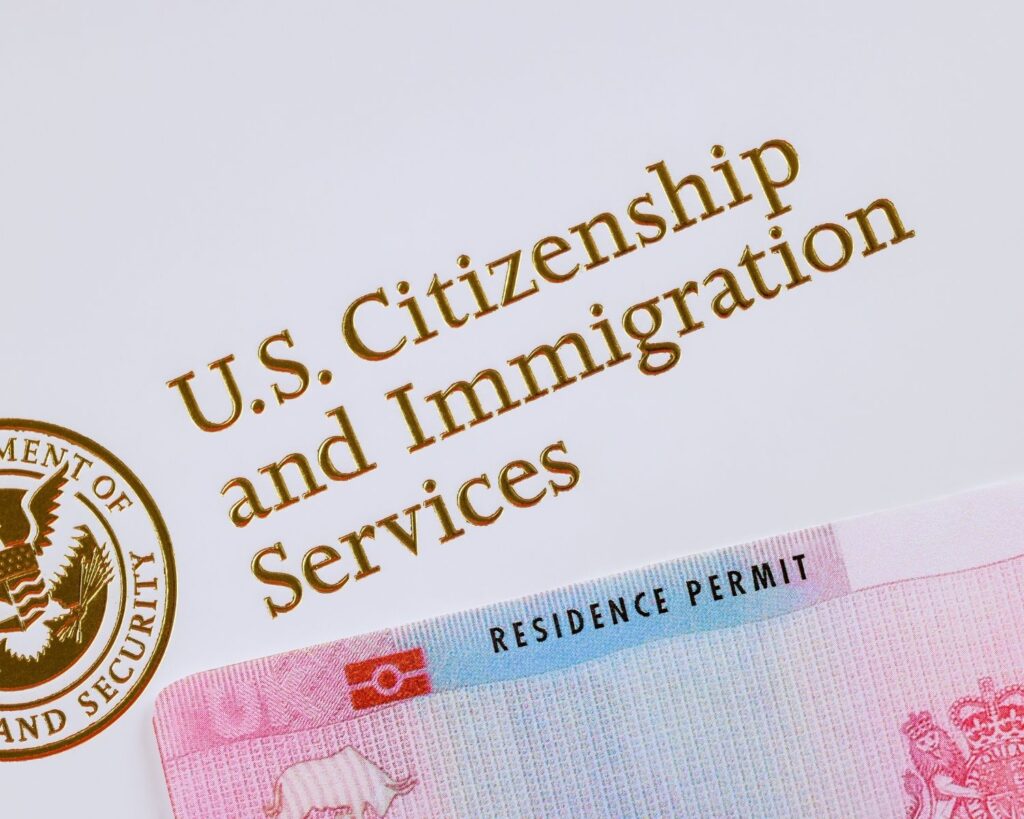
Adjustment of Status vs. Consular Processing
Adjustment of Status and Consular Processing are two different pathways to lawful permanent residency.
Adjustment of Status
Adjustment of Status allows some eligible applicants already living in the United States to apply for permanent residency without leaving the country.
Consular Processing
Consular Processing requires applicants to complete immigrant visa processing through a U.S. embassy or consulate abroad.
Which process applies may depend on:
- Immigration history
- Current immigration status
- Manner of entry into the United States
- Family relationship or visa category
- Admissibility requirements
- Current USCIS and Department of State procedures
In some situations, applicants who are already in the United States may still need to complete Consular Processing depending on their individual circumstances and immigration history.
Family-Based Consular Processing
Many Consular Processing cases involve family-based immigration petitions for spouses, parents, children, and immediate relatives of U.S. citizens or lawful permanent residents.
Common family-based immigration pathways include:
- Marriage-based green cards
- Parent green cards
- Immediate relative visas
- Family preference categories
Our attorneys help families:
- Prepare immigrant visa applications
- Organize supporting documentation
- Navigate National Visa Center (NVC) processing
- Prepare for embassy and consular interviews
- Respond to immigration requests and documentation issues

Our Results
Nationwide Immigration Services

What to Expect During the Consular Processing Process
The Consular Processing process commonly includes:
- Filing an immigrant petition with USCIS
- National Visa Center (NVC) processing
- Civil document and financial sponsorship review
- Medical examinations
- Immigrant visa interviews at a U.S. embassy or consulate
- Final immigrant visa approval and entry into the United States
Consular officers may carefully review:
- Immigration history
- Supporting documentation
- Family relationships
- Financial sponsorship forms
- Admissibility requirements
- Application consistency
Because immigration procedures and documentation standards continue to evolve, preparing organized and accurate filings may help reduce delays and Requests for Evidence.
How Long Does Consular Processing Take?
Consular Processing timelines can vary depending on:
- USCIS processing times
- National Visa Center review
- Embassy or consulate interview scheduling
- Visa category and availability
- Background checks and security reviews
- Overall case complexity
Interview wait times and embassy scheduling may differ significantly depending on the country and location handling the case.
Because immigration procedures and agency workloads can change over time, applicants should avoid relying on fixed processing estimates. Working with a consular processing lawyer may help applicants better understand the process and prepare for each stage more effectively.

Why Choose Rozas Law Firm for Consular Processing Cases?
Consular Processing cases can involve evolving immigration procedures, extensive documentation requirements, interview preparation, and individualized eligibility questions.
Clients choose Rozas Law Firm because we provide:
- Bilingual immigration attorneys and staff
- Nationwide immigration representation
- Personalized immigration strategies
- Family-focused legal guidance
- Clear communication throughout the process
- Support with immigrant visa interviews and documentation preparation
Our attorneys help individuals and families throughout the United States navigate family-based immigration matters with personalized legal guidance designed to help clients move forward with confidence.
Contact Rozas Law Firm today to schedule a consultation with a consular processing lawyer.
Frequently Asked Questions
Related Blog Posts