.svg)
Bringing an internationally adopted child home is one of the most meaningful things a family can do. It is also one of the most legally complex. International adoption requires you to satisfy both U.S. immigration law and the laws of your child’s home country, often at the same time, under strict deadlines, and with little margin for error.
At Rozas Law Firm, our immigration adoption lawyers guide families through every stage of the process. We handle the documentation, the USCIS filings, and the consular coordination, so you can focus on your family. Our team serves clients across the United States, with bilingual staff fluent in English and Spanish.
Schedule a virtual consultation with an Attorney
What Is an Adoption-Based Visa?
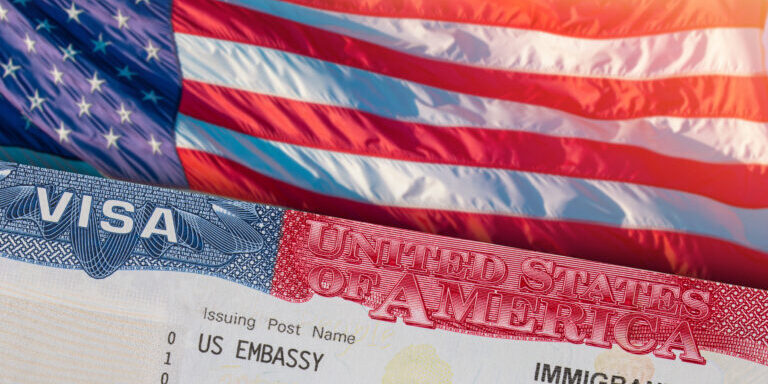
An adoption-based visa is an immigrant visa that allows a U.S. citizen to bring an internationally adopted child to the United States as a lawful permanent resident. Because adopted children qualify as immediate relatives of U.S. citizens, these visas are not subject to annual caps or priority date wait times. That is a real advantage compared to many other immigration categories.
Two legal frameworks govern international adoption: the Hague Adoption Convention process and the non-Hague orphan process. The framework that applies to your family depends on the country you are adopting from. Our attorneys identify the correct pathway at the start, which saves time, money, and avoidable complications down the road.
Both pathways fall under our broader marriage and family visas practice. We treat adoption cases with the same level of care and strategic attention we bring to every family-based immigration matter.

How the Hague Adoption Process Works
The Hague Adoption Convention is an international treaty created to protect children, birth families, and adoptive parents in cross-border adoptions. The United States implemented the Convention in 2008. If you plan to adopt from a Hague Convention country, this is the process you will follow.
The first step is filing Form I-800A with USCIS. This application establishes your suitability and eligibility as a prospective adoptive parent. It requires a completed home study, fingerprinting, and a background check. Once USCIS approves your I-800A, you apply through the central authority of the child’s country of origin to be matched with a child.
After a match is confirmed, you file Form I-800 to classify your child as an immediate relative. USCIS provisionally approves the petition and forwards it to a U.S. embassy or consulate in the child’s country for visa processing.
Your child will receive one of two Hague-specific visa designations. An IH-3 visa is issued when the adoption is finalized in the child’s country. Children who enter the U.S. on an IH-3 generally acquire U.S. citizenship automatically upon arrival, and USCIS sends a Certificate of Citizenship without additional fees or forms. An IH-4 visa is issued when the adoption will be completed here in the United States. IH-4 recipients enter as lawful permanent residents and acquire citizenship once the U.S. adoption is finalized.
Sequencing matters enormously in Hague cases. Filing forms out of order, or allowing approvals to expire, can invalidate the entire process. Our attorneys track every deadline and make sure each step follows the correct sequence.
Non-Hague Adoptions: The Orphan Process Explained
Several countries with active international adoption programs have not implemented the Hague Convention. For adoptions from those countries, U.S. families follow the orphan process, which is governed by the Immigration and Nationality Act (INA).
Under U.S. immigration law, a qualifying orphan is a child who has no parents, or whose sole surviving parent is unable to provide proper care and has irrevocably released the child for adoption in writing. The child must be under 16 at the time the petition is filed. A limited exception extends eligibility to age 17 for biological siblings of a child adopted under the same process.
The process starts with Form I-600A, an optional advance processing application that establishes your eligibility before a specific child is identified. Once a child is matched, you file Form I-600 (Petition to Classify Orphan as an Immediate Relative) with USCIS. Here is the critical distinction: USCIS evaluates the child’s eligibility under U.S. immigration law, not under the laws of the child’s home country. A foreign adoption decree does not automatically satisfy U.S. standards. Our attorneys review every document before filing to make sure the record holds up to that scrutiny.
Our Results
Nationwide Immigration Services

IR-3 vs. IR-4: What’s the Difference?
For non-Hague adoptions, the visa your child receives depends on when and how the adoption was finalized.
The IR-3 visa is issued when the adoption is fully and legally completed abroad. Both parents, if the petitioner is married, must have personally seen and observed the child before or during the adoption proceedings. Children who enter the U.S. on an IR-3 automatically acquire U.S. citizenship upon arrival. USCIS sends the Certificate of Citizenship with no additional forms or fees required.
The IR-4 visa applies when the adoption will be completed in the United States. This typically happens when a foreign country grants guardianship rather than a full adoption, or when the prospective parents have not personally observed the child before or during the proceedings. IR-4 children enter as lawful permanent residents and acquire citizenship after the adoption is finalized in a U.S. state court.
Getting the classification right from the beginning matters. A misclassification or a documentation gap can delay your child’s visa and create complications with their citizenship status years later. Our role as your IR-3 orphan visa lawyers is to confirm the correct classification before any petition is filed.
When Neither Process Applies: The I-130 Pathway
Not every adoption fits neatly into the Hague or non-Hague framework. In some situations, a child may not meet the INA definition of an orphan but still qualifies as an immediate relative under U.S. immigration law. In those cases, families may be able to petition through Form I-130, the standard Petition for Alien Relative.
Eligibility for the I-130 pathway depends on the specific facts of your adoption and how the parent-child relationship is defined under U.S. immigration standards. Our child visa attorney page covers these cases in more detail. If you are unsure which process applies to your situation, a consultation with our team is the fastest way to get clarity.
Why You Need an Immigration Adoption Lawyer
International adoption runs through multiple agencies at once. USCIS, the U.S. Department of State, a foreign central authority or court, and often a U.S.-accredited adoption service provider all have a role. Each agency has its own requirements, and the steps must happen in a specific order. A single sequencing error can stall your case for months or result in a denial that requires starting over.
There is another layer most families do not expect. USCIS applies U.S. immigration standards when evaluating a child’s eligibility, separate from whatever a foreign court has already approved. The foreign adoption order matters, but it is not the final word. If the documentary record does not satisfy U.S. requirements, you will receive a Request for Evidence (RFE) or a Notice of Intent to Deny. Both can add significant time and cost to the process.
An experienced foreign adoption visa lawyer prevents those problems from arising. We review your documentation before filing, confirm the child qualifies under U.S. standards, prepare you and your family for the consular interview, and respond to any USCIS requests thoroughly and quickly. Our team appears in person for hearings and does not hand your case off to junior staff when it matters most.
Contact an Adoption Visa Attorney Near You Today
Adoption-based immigration sits at the intersection of family law, U.S. immigration law, and international treaty obligations. Very few law firms handle all three with the same depth of experience.
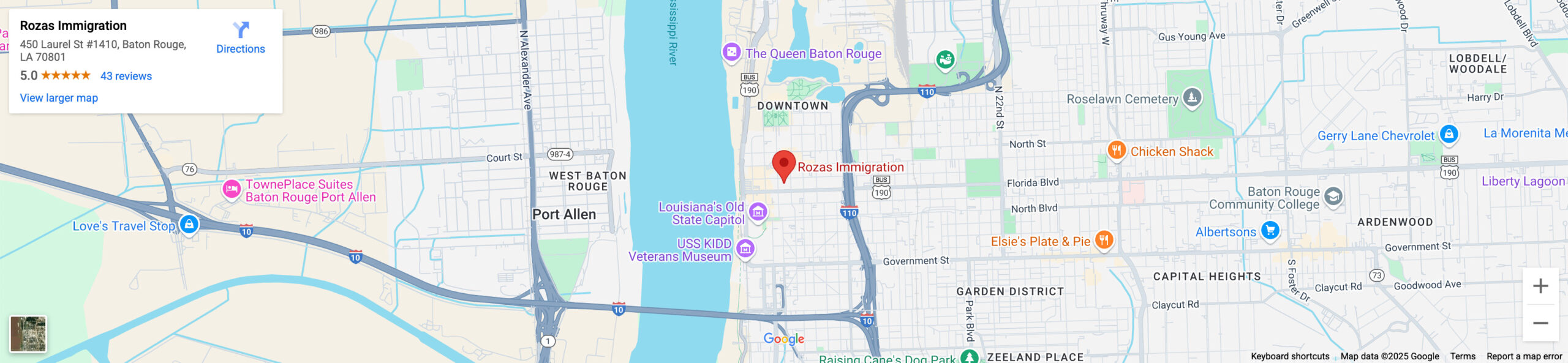
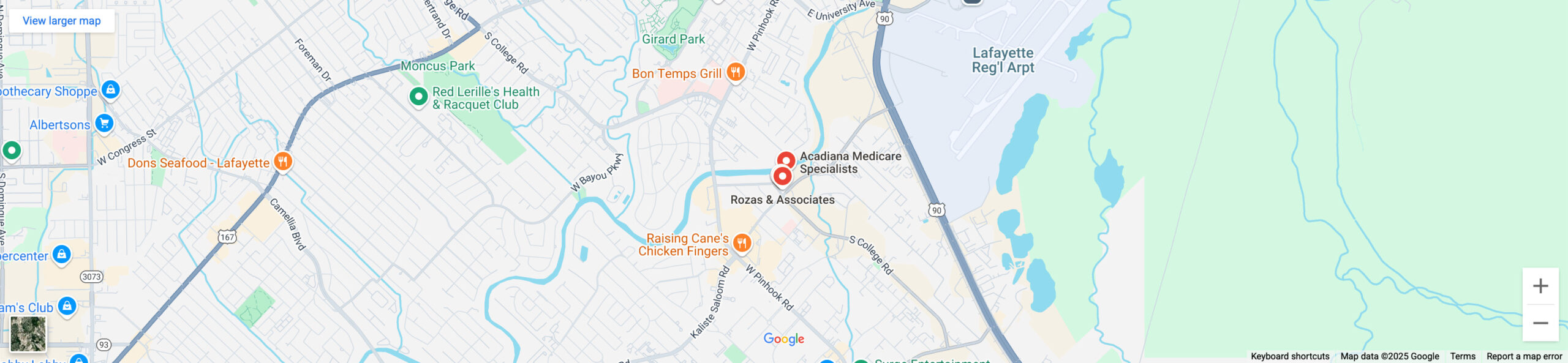
Our founding attorney, David Rozas, has built a practice grounded in Louisiana’s immigration communities, with a reach that extends across the country. We have guided families through both Hague and non-Hague adoption cases and understand how regional USCIS field offices handle these petitions in practice, not just on paper. Our bilingual staff communicates in English and Spanish, which matters when coordinating with foreign central authorities, consular officers, and adoption service providers abroad.
We offer a free consultation for adoption visa cases. That first conversation gives you a clear picture of your pathway, your timeline, and what documentation you will need. There is no obligation, and there is no cost.
This is one of the most significant legal processes a family goes through. We treat it that way. Call us at 225-341-6945 or fill out our contact form to get started.
Frequently Asked Questions
Related Blog Posts