Bringing your child to live with you permanently in the United States is one of the most important—and emotionally charged—immigration journeys a family can take. Whether your child is living abroad or already in the U.S., the process can be confusing, document-heavy, and full of legal pitfalls that cause delays or denials.

Working with an experienced child visa lawyer in the United States ensures your case is handled correctly from the start. At Rozas Immigration, our dedicated child visa attorneys help parents secure lawful permanent residence for their children with clarity, precision, and compassion.

What Is a Child Visa?

A child visa allows a qualifying child of a U.S. citizen or lawful permanent resident to immigrate to the United States and obtain a green card. Immigration law defines a “child” as an unmarried person under 21 years old. Once a child turns 21 or gets married, they are considered a “son” or “daughter” and fall under different visa categories with longer wait times.

Choosing the correct visa—and filing it properly—is critical to protecting your child’s future.

2 siblings hugging excitedly as their child visas were just approved with help from child visa attorneys at rozas law firm

Schedule a virtual consultation with an Attorney

Which Child Visa Do I Need?

One of the most common questions parents ask is: “Which child visa do I need?” The answer depends on your immigration status and your child’s age and marital status.

IR2 Visa – Child of a U.S. Citizen

  • For unmarried children under 21
  • Immediate Relative category (no visa cap)
  • Fastest path to a green card for a child

F2A Visa – Child of a Green Card Holder

  • For unmarried children under 21
  • Subject to annual visa limits
  • Processing times depend on visa availability

F2B Visa – Adult Child of a Green Card Holder

  • For unmarried children 21 or older
  • Longer wait times due to visa backlogs

IR3 / IR4 Visa – Adopted Children

  • For children adopted abroad or through intercountry adoption
  • Requires strict compliance with adoption and custody rules

A skilled family visa attorney can evaluate your situation and determine the fastest and safest strategy for your family.

a lawyer sitting at a desk with a client and a notepad and gavel and scale at his desk

Who Qualifies as a “Child” Under U.S. Immigration Law?

U.S. immigration law recognizes several types of qualifying parent-child relationships, including:

  • Biological children (born in or out of wedlock)
  • Stepchildren (if the marriage occurred before the child turned 18)
  • Adopted children (meeting legal custody and residence requirements)
  • Children born through assisted reproductive technology (ART)

Each category has unique documentation requirements. Mistakes here are a common reason for child visa denials.

The Child Visa Process: What to Expect

While every case is unique, most child visa cases involve the following steps:

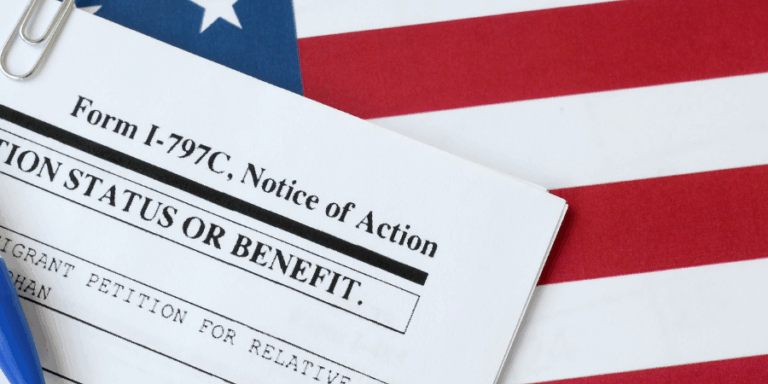
  1. Filing Form I-130 (Petition for Alien Relative)
  2. Proving the parent-child relationship with proper documentation
  3. Waiting for visa availability (if applicable)
  4. Adjustment of status or consular processing
  5. Green card approval and issuance

If the petitioner is a permanent resident, proof of lawful status—such as a Permanent Resident Card (Form I-551)—is required as part of the application.

Our child visa lawyers handle every stage of this process to minimize delays and protect your child’s eligibility.

Can My Child Stay in the U.S. While the Case Is Pending?

In some cases, children may be eligible to remain in or enter the United States while their immigrant petition is pending. Options depend on the petitioner’s status and the child’s location.

An experienced IR2 visa lawyer or U.S. child visa attorney can determine whether temporary visa options or adjustment of status are available in your case.

Common Challenges in Child Visa Cases

Child visa cases are often denied or delayed due to:

  • Incorrect visa category selection
  • Missing or inconsistent birth or adoption records
  • Age-out issues when a child turns 21
  • Improper filing strategy for stepchildren or adopted children

Having a knowledgeable child visa lawyer in the United States helps prevent these issues before they jeopardize your child’s future.

a child excited to enter the united states after her child visa was approved after help from a child visa attorney at rozas law firm

Our Results

K+
Clients Helped
+
Years of Experience
K+
Positive Reviews
670951036dc4aa3f6b88ba22_united-states-of-america

Nationwide Immigration Services

+
Bilingual Staff Members
a family sitting at the airport after their child visas were approved with help from a child visa attorney at rozas law firm

Why Choose Rozas Immigration as Your Child Visa Lawyer?

At Rozas Immigration, we understand that your child’s immigration case is more than paperwork—it’s about family unity and long-term security.

When you work with our team, you receive:

  • Personalized legal strategy tailored to your child’s situation
  • Clear explanations of timelines, options, and risks
  • Careful preparation of all forms and supporting evidence
  • A trusted advocate from start to finish

We proudly assist families across the United States with compassionate, results-driven representation.

Talk to a Child Visa Lawyer Today

If you want to reunite with your child in the United States, don’t risk delays or denials by navigating the process alone. Speak with a trusted child visa lawyer who understands how to protect your child’s future.

Contact Rozas Immigration today for a free child visa consultation with a U.S. child visa attorney offering a free consultation and take the next step toward bringing your family together—where they belong.

Frequently Asked Questions

Related Blog Posts

Understanding the Family Preference Visa Categories (F1–F4)

By David Joseph Rozas | May 21, 2026

Family Visa Updates 2026: What Has Changed and What Families Should Do Now

By David Joseph Rozas | April 17, 2026

Why You Should Consult With a Lawyer Before Filing a Visa for Your Child

By David Joseph Rozas | March 24, 2026

How to Bring Your Child to the U.S. on a Family Based Visa

By David Joseph Rozas | March 19, 2026

IR2 vs. F2A Child Visa: What’s the Difference?

By David Joseph Rozas | March 19, 2026

K-1 Fiancé Visa vs. CR1 Spouse Visa: Pros and Cons

By David Joseph Rozas | January 20, 2026

Why Do You Need an Immigration Lawyer for a Marriage Green Card?

By David Joseph Rozas | January 17, 2026

How to Apply for a Marriage-Based Green Card: Step-by-Step Guide

By David Joseph Rozas | December 26, 2025

Form I-797 Notice of Action: Different Types & Functions Explained

By David Joseph Rozas | December 22, 2025

The Pros and Cons of Dual Citizenship: What You Need to Know Before Applying

By David Joseph Rozas | December 8, 2025

ICE in Louisiana: How to Prepare for Border Patrol Activity in New Orleans

By David Joseph Rozas | December 5, 2025

USCIS Now Accepts ACH Payments for Immigration Fees

By David Joseph Rozas | November 21, 2025

Eligibility For Marriage and Family Visas in the U.S.

By David Joseph Rozas | November 20, 2025

How a Government Shutdown Affects Immigration

By David Joseph Rozas | November 7, 2025

Supreme Court Immigration Ruling Expands ICE Authority

By David Joseph Rozas | September 10, 2025

New Immigration Test Screening for Anti-Americanism: What You Need To Know

By David Joseph Rozas | August 21, 2025

New U.S. Visa Bond Could Cost Travelers Up to $15,000

By David Joseph Rozas | August 14, 2025

USCIS Family-Based Immigration Policy Updates in 2025

By David Joseph Rozas | August 14, 2025

The Big Beautiful Bill Impact On Immigration

By David Joseph Rozas | July 11, 2025

Matter of E-Z Immigration Ruling

By David Joseph Rozas | July 8, 2025

US Travel Ban 2025: Who’s Affected

By David Joseph Rozas | June 30, 2025

How September 11 Reshaped U.S. Immigration

By David Joseph Rozas | June 30, 2025

Guide to Supplemental Information (Form I-130A)

By David Joseph Rozas | June 30, 2025

Immigrant Detention Centers in Louisiana

By David Joseph Rozas | June 30, 2025

Bond v Parole

By David Joseph Rozas | June 30, 2025

Humanitarian Parole Ends for CHNV

By David Joseph Rozas | June 16, 2025

Supreme Court Clears Path to End TPS for Venezuelans

By David Joseph Rozas | May 20, 2025

Big Changes to Marriage-Based Green Cards in 2025

By David Joseph Rozas | May 7, 2025

Should I Answer Questions About My Immigration Status in Criminal Court?

By David Joseph Rozas | January 23, 2025

Trump’s Push to End Birthright Citizenship: What It Means

By David Joseph Rozas | January 23, 2025

Trump’s Day One: Key Immigration Policy Changes

By David Joseph Rozas | January 21, 2025

CBP One App Cancelled Hours After Trump Takes Office: What It Means for Migrants

By David Joseph Rozas | January 20, 2025

Understanding U.S. Citizenship and Immigration Services (Form I-9)

By David Joseph Rozas | November 7, 2024

Guide to the Petition to Remove Conditions on Residence (Form I-751)

By David Joseph Rozas | November 7, 2024

Guide to Work Permit (Form I-765)

By David Joseph Rozas | November 7, 2024

Guide to Affidavit of Support (Form I-864)

By David Joseph Rozas | November 7, 2024

Guide to Online Immigrant Visa Application (Form DS-260)

By David Joseph Rozas | November 7, 2024

Guide to Family Sponsorship Petition (Form I-130)

By David Joseph Rozas | November 7, 2024

Guide to Application for Adjustment of Status (Form I-485)

By David Joseph Rozas | November 7, 2024

June 2024 Immigration Update

By David Joseph Rozas | June 7, 2024

Legal Issues Faced by Detained Immigrants

By David Joseph Rozas | December 19, 2023

Family Reunification Parole

By David Joseph Rozas | October 25, 2023

Removal of Conditional Residency

By David Joseph Rozas | October 5, 2023

Guide to U-Visa for Crime Victims: Everything You Need to Know

By David Joseph Rozas | August 17, 2023

The USCIS Backlog: What it means for Immigration Applicants

By David Joseph Rozas | July 28, 2023

Children Born Out Of Country To United States Citizen Parents

By David Joseph Rozas | July 27, 2023

Understanding the Latest Changes in United States Immigration Policy

By David Joseph Rozas | July 12, 2023

What is SIJS?

By David Joseph Rozas | July 11, 2023

Navigating the United States Immigration Process

By David Joseph Rozas | July 7, 2023

Understanding Different Types of Visas

By David Joseph Rozas | June 13, 2023