.svg)
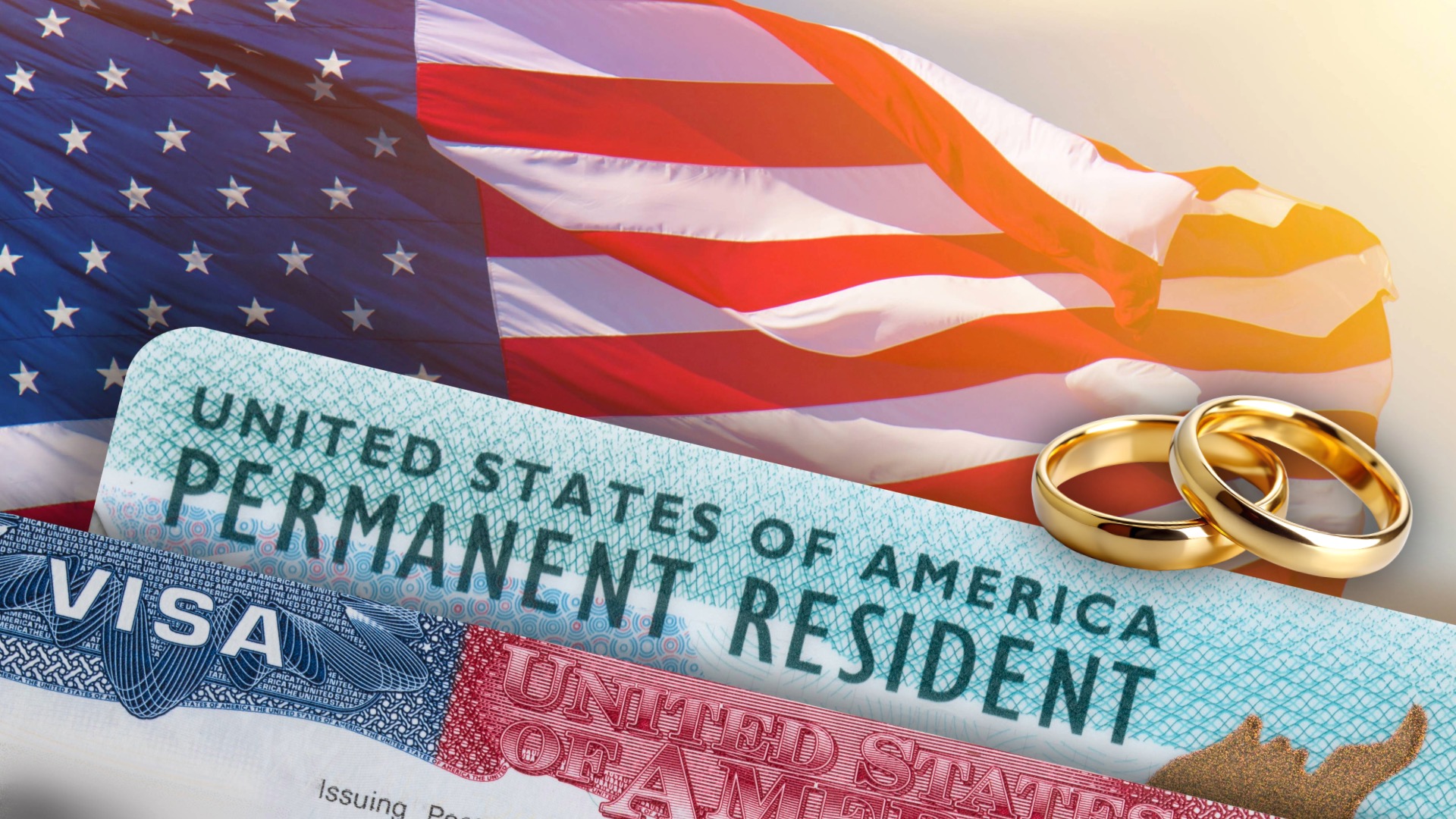
Bringing your parents to live with you in the United States is more than just filing paperwork. It’s about keeping your family together. If you’re a U.S. citizen over 21, you have the legal right to sponsor your mom or dad for a green card. The process takes time and careful attention to detail, but it’s one of the most straightforward paths in family-based immigration.
We’ve helped hundreds of families reunite their parents with their children here in Louisiana and across the country. This guide walks you through exactly how to sponsor your parents for a green card, from start to finish.
Who Can Sponsor Parents for a Green Card?
Not everyone qualifies to sponsor their parents. U.S. immigration law sets clear requirements for both you and your parent.
You must be:
- A U.S. citizen (not just a green card holder)
- At least 21 years old
- Living in the United States or planning to return before your parent arrives
- Able to meet the income requirements (we’ll cover this below)
Can green card holders sponsor parents? No. Only U.S. citizens can petition for their parents. If you’re currently a lawful permanent resident, you’ll need to complete your naturalization process first.
Your parent must be:
- Your biological parent, or
- Your adoptive parent (if the adoption was finalized before you turned 16), or
- Your stepparent (if they married your biological parent before you turned 18)
You’ll need to prove this relationship with official documents like your birth certificate or adoption papers. Each parent needs a separate petition, so if you’re sponsoring both your mother and father, you’ll file two Form I-130s.
One major benefit here is that parents qualify as immediate relatives. This means there’s no annual cap on how many parent green cards can be issued. Your parent won’t sit on a waiting list for years like some other family categories.
Two Ways to Get a Green Card for Your Parents
The path your parent takes depends on one simple question: are they currently living in the United States or abroad?
- Consular Processing is for parents living outside the U.S. After USCIS approves your petition, your parent will attend an interview at a U.S. embassy or consulate in their home country. They receive their immigrant visa there, then travel to the United States and become a permanent resident upon arrival.
- Adjustment of Status is for parents already living in the U.S. legally. If your parent entered the country lawfully (with a tourist visa, for example), they may be able to apply for their green card without leaving. They’ll attend an interview at a USCIS office here in the United States.
What if your parent is in the U.S. but entered without inspection or overstayed their visa? This gets complicated. They typically cannot adjust status and may need to leave the country for consular processing. This can trigger bars to reentry that last three or ten years. Talk to an immigration attorney before moving forward if this describes your situation.
Step-by-Step: How to Sponsor Your Parents for a Green Card
Here’s what the process looks like from beginning to end.
Step 1: File Form I-130
You start by filing Form I-130, Petition for Alien Relative, with USCIS. This form proves your relationship to your parent and confirms you’re a U.S. citizen. You’ll submit:
- Proof of your U.S. citizenship (passport, birth certificate, or naturalization certificate)
- Your parent’s birth certificate
- Your birth certificate showing your parent’s name
- Marriage certificates if applicable (to prove stepparent relationships)
If your parent is already in the U.S. and eligible to adjust status, you can file Form I-130 and Form I-485 (the green card application) at the same time. This is called concurrent filing and can save several months.
USCIS typically takes 6 to 10 months to process Form I-130.
Step 2: National Visa Center (NVC) Processing (Consular Processing Only)
If your parent is abroad, the case moves to the National Visa Center after USCIS approves the I-130. The NVC collects fees and documents, including:
- Form DS-260 (immigrant visa application)
- Financial documents (more on this next)
- Civil documents (passport, police certificates, birth certificates)
The NVC reviews everything and schedules your parent’s interview once the case is complete.
Step 3: Medical Examination
Your parent must complete a medical exam with a USCIS-approved doctor. The doctor checks for communicable diseases and verifies required vaccinations. For consular processing, this happens in your parent’s home country. For adjustment of status, it happens in the U.S.
Step 4: Interview
Your parent will attend an interview where an immigration officer reviews their application and asks questions about their background and your relationship. For consular processing, this happens at the U.S. embassy or consulate. For adjustment of status, it happens at a USCIS field office.
Step 5: Approval and Green Card Issuance
If approved, your parent receives their green card. For consular processing cases, they get a visa stamp in their passport and receive their physical green card in the mail after arriving in the United States. For adjustment cases, the green card arrives by mail within a few weeks of approval.
How Much Income Do You Need to Sponsor Parents?
U.S. law requires you to prove you can financially support your parent. This prevents them from becoming a public charge and needing government assistance.
You’ll file Form I-864, Affidavit of Support, showing your income meets 125% of the federal poverty guidelines for your household size. Your household includes you, anyone who depends on you, and the parent you’re sponsoring.
For 2026, here are the minimum income requirements:
| Household Size | Minimum Annual Income |
| 2 people | $26,100 |
| 3 people | $32,900 |
| 4 people | $39,700 |
| 5 people | $46,500 |
What if you don’t meet the income requirement? You have options:
- Use a joint sponsor (someone else who meets the income requirement and agrees to support your parent)
- Count household assets (like savings, property, or investments worth at least 5 times the shortfall)
- Include your spouse’s income if you file taxes jointly
How Long Does the Parent Green Card Process Take?
From start to finish, sponsoring your parents for a green card typically takes 10 to 15 months. This timeline includes:
- USCIS processing of Form I-130: 6 to 10 months
- NVC processing: 2 to 4 months (consular cases only)
- Interview scheduling and completion: 1 to 3 months
Processing times vary by USCIS service center and embassy workload. Cases with complications (missing documents, requests for evidence, background check delays) can take longer.
Can your parents work while waiting? If they’re in the U.S. and filed for adjustment of status, they can apply for a work permit (Form I-765) and travel document (Form I-131) while their case is pending. These typically arrive within 3 to 5 months of filing.
What Documents Do You Need to Sponsor Your Parents?
Gathering documents early makes the process smoother. Here’s what you’ll need:
For the I-130 petition:
- Copy of your U.S. passport or citizenship certificate
- Your birth certificate listing your parent’s name
- Your parent’s birth certificate
- Marriage certificate (for stepparent cases)
For the financial sponsorship (I-864):
- Most recent federal tax returns (usually last 3 years)
- W-2s or 1099s
- Recent pay stubs
- Employment verification letter
For your parent’s green card application:
- Valid passport
- Birth certificate
- Police certificates from every country where they lived for 6+ months after age 16
- Marriage certificate (if married)
- Divorce or death certificates (if applicable)
- Medical examination results
- Two passport-style photos
Common Questions About Sponsoring Parents for a Green Card
Do my parents need to speak English?
No. There’s no English language requirement for getting a green card. If they later want to apply for U.S. citizenship, they’ll need to meet English and civics requirements (unless they qualify for an exemption based on age and length of residency).
Can I sponsor both parents at once?
Yes, but you’ll need to file a separate Form I-130 for each parent. The fees and processing happen separately for each petition.
What if my parent overstayed their visa?
This complicates things. Parents who are immediate relatives can sometimes adjust status even with overstay issues, but it depends on how they entered the U.S. and other factors. This requires careful legal analysis. Contact our office to review your specific situation.
Ready to Bring Your Parents Home?
Reuniting with your parents is one of the most meaningful things you can do. The process requires patience and attention to detail, but it’s absolutely achievable. We’ve guided countless families through parent green card cases and understand the emotional weight of keeping families together.
If you’re ready to start the process or have questions about your specific situation, our team at Rozas Law Firm is here to help. We handle everything from preparing your forms to representing you at interviews. Contact us today to schedule a consultation and bring your parents home for good.