.svg)
Employer-sponsored green cards provide a pathway for qualified foreign nationals to become lawful permanent residents of the United States through employment. Whether you are an employer seeking to retain valuable international talent or a foreign worker pursuing long-term employment opportunities, obtaining an employment-based green card requires careful planning, detailed documentation, and compliance with federal immigration laws. An experienced employer sponsored permanent residency lawyer can help guide both employers and employees through every stage of the process.
At Rozas Immigration, we assist businesses and professionals throughout the United States with employment-based immigration matters. Our attorneys help clients navigate labor certification requirements, prepare business immigration petitions, respond to government requests, and pursue lawful permanent residence with confidence.
Schedule a virtual consultation with an Attorney
What Is an Employer Sponsored Green Card?
An employer-sponsored green card allows qualified foreign nationals to obtain lawful permanent residence through sponsorship by a U.S. employer. These green cards are typically available through employment-based immigration visa categories such as EB-2 and EB-3, although other employment-based classifications may also apply depending on the worker’s qualifications and the position being offered. If the need for employment is temporary then there are also options such as H-2A Agricultural Worker Visas and H-2B Seasonal and Temporary Work Visas.
In many cases, employers must first complete the Program Electronic Review Management (PERM) labor certification process through the U.S. Department of Labor before filing Form I-140, Immigrant Petition for Alien Worker, with U.S. Citizenship and Immigration Services (USCIS). Once an immigrant visa becomes available, eligible applicants may apply for adjustment of status within the United States or complete immigrant visa processing through a U.S. embassy or consulate abroad. Because the process involves multiple government agencies and strict legal requirements, working with an experienced employment-based green card lawyer can help reduce delays and improve the likelihood of a successful outcome.

Who May Qualify for an Employer Sponsored Green Card?
Employer-sponsored green cards are generally available to foreign nationals who receive a permanent, full-time job offer from a qualified U.S. employer and meet the eligibility requirements for the applicable employment-based immigration category.
Depending on the category, applicants may include:
- Professionals holding advanced degrees.
- Skilled workers with specialized training or experience.
- Professionals with bachelor’s degrees.
- Certain unskilled workers filling permanent labor shortages.
- Individuals whose positions qualify under other employment-based immigrant visa categories.
Eligibility depends on factors such as the offered position, the applicant’s education and work experience, labor certification requirements, and visa availability. An employer sponsored permanent residency attorney can evaluate your situation and determine the most appropriate immigration strategy.
Why Choose Rozas Law Firm for Your Employment-Based Immigration Case
Employment-based immigration matters require close attention to detail, strategic planning, and compliance with evolving immigration regulations. At Rozas Immigration, we understand that employers rely on talented employees to grow their businesses, while foreign professionals depend on successful immigration outcomes to build their futures in the United States.
Our attorneys work closely with both employers and employees to provide personalized legal guidance throughout the employer-based green card application process. We remain current on changes to immigration laws, Department of Labor regulations, and USCIS policies so we can develop effective strategies tailored to each client’s circumstances. From preparing petitions to responding to government requests and maintaining open communication, we are committed to delivering knowledgeable legal representation and exceptional client service.

Our Results

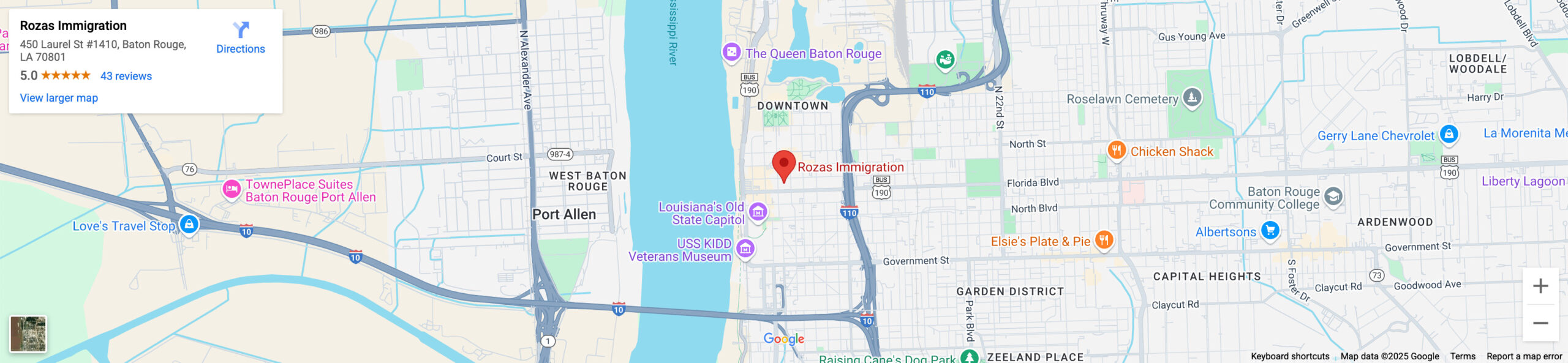
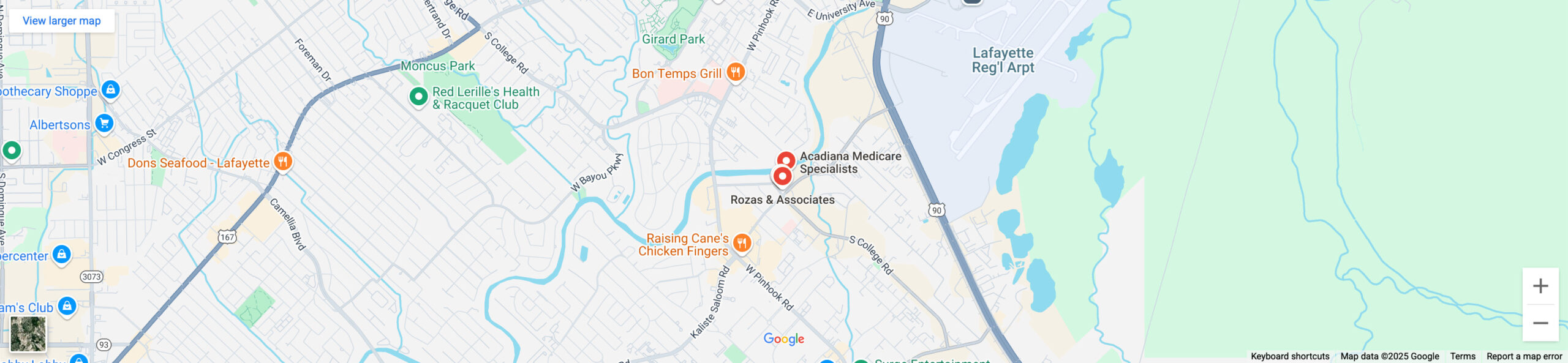
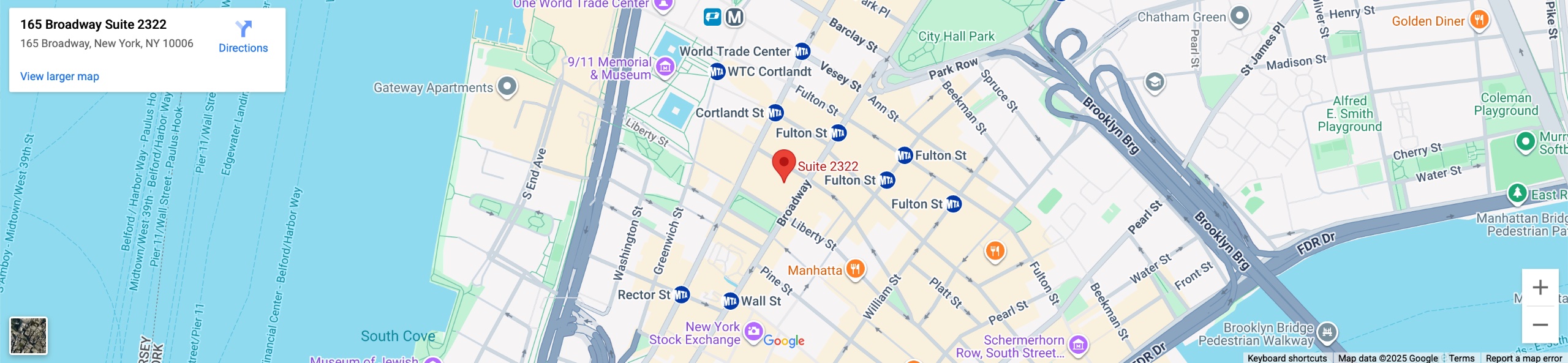
Nationwide Immigration Services

The Employer Sponsored Green Card Process
The employer-sponsored green card process varies depending on the employment-based category but often begins with obtaining PERM labor certification from the U.S. Department of Labor. During this process, employers generally must demonstrate that there are no qualified U.S. workers available for the offered position and that hiring a foreign worker will not adversely affect the wages or working conditions of U.S. employees.
After labor certification is approved, the employer typically files Form I-140, Immigrant Petition for Alien Worker, with USCIS. Once an immigrant visa number becomes available, the foreign national may apply for adjustment of status if they are already in the United States or complete consular processing through a U.S. embassy or consulate abroad. Throughout each stage, applicants and employers must provide detailed supporting documentation and comply with government filing requirements.
How an Employer Sponsored Green Card Attorney Can Help
Employer-sponsored green card applications involve extensive documentation, strict filing deadlines, and ongoing communication with multiple government agencies. An experienced attorney can help employers determine the appropriate immigration category, satisfy labor certification requirements, prepare complete petitions, and respond to Requests for Evidence (RFEs) or other government inquiries.
For foreign professionals, legal representation can provide valuable guidance regarding eligibility, supporting documentation, adjustment of status, consular processing, and long-term immigration planning. By helping employers and employees avoid common mistakes and remain compliant with immigration laws, an employer sponsored green card lawyer can make the process more efficient while reducing unnecessary delays.


Contact an Employer Sponsored Green Cards Lawyer Today
Whether you are an employer seeking to sponsor an international employee or a foreign professional pursuing permanent residence through employment, experienced legal guidance can make a significant difference throughout the immigration process.
At Rozas Immigration, we are committed to helping businesses and individuals navigate employer-sponsored green card applications with confidence. Contact us today to schedule a consultation with an experienced employer sponsored green cards immigration lawyer and learn how we can help you achieve your employment-based immigration goals.
Frequently Asked Questions
Related Blog Posts