.svg)
How to Bring Your Child to the U.S. on a Family Based Visa

Family is the reason most people go through the immigration process in the first place. If your child is still living abroad and you are ready to bring them to the United States permanently, a family based visa is the legal path that makes it possible. The process has real steps, real deadlines, and real consequences if something gets filed incorrectly. But it is very doable, especially with the right legal guidance.
This guide walks you through everything you need to know, from who qualifies to what documents you need to how long it all takes.
Who Qualifies as a “Child” Under U.S. Immigration Law
The word “child” means something specific under U.S. immigration law. It is not just any person under 18. According to USCIS, a qualifying child must be unmarried and under the age of 21. The child must also have a legally recognized relationship with the petitioning parent.
The following relationships qualify:
- A biological child born to married parents
- A biological child born outside of marriage, as long as the relationship has been legally established
- A stepchild, provided the marriage creating that relationship happened before the child turned 18
- An adopted child, subject to specific rules depending on where and when the adoption took place
Adopted children and stepchildren have some of the most fact-specific requirements in this area of law. If your situation involves either of those, our attorneys can review your case and explain exactly what applies.
U.S. Citizens vs. Green Card Holders: Two Very Different Paths
Your own immigration status is the single biggest factor that shapes this process. There are two distinct paths, and they are not equal in terms of wait times or processing requirements.
If You Are a U.S. Citizen
Your unmarried child under 21 is classified as an immediate relative. That status matters because there is no annual cap on how many immediate relative visas USCIS can issue. No waiting list. Once the petition is approved and the process moves forward, your child does not have to wait for a visa number to become available.
This is the fastest path. Most cases for immediate relatives take roughly 12 to 24 months from petition to approval, though individual timelines vary based on where your child lives and which USCIS service center handles the case.
If your child is already 21 or older, the category changes. An unmarried adult child of a U.S. citizen falls under the First Preference family category (F1), which carries a significant backlog. A married adult child falls under Third Preference (F3). Both categories have annual visa caps and can involve waits of several years.
If You Are a Lawful Permanent Resident (Green Card Holder)
As a green card holder, you can still sponsor your unmarried child, but the process is longer. Minor children (under 21) fall under the Second Preference F2A category. Adult unmarried children fall under F2B. Both are subject to annual visa limits, which means your child must wait for a visa number to become available before moving forward.
Wait times in these categories vary widely depending on your child’s country of birth and current demand. You can track current priority dates through the Department of State Visa Bulletin. This is also where our family sponsorship guide can help you understand the bigger picture of the I-130 petition process.
How Can I Get a Family Visa for My Child? Step by Step
The process follows a defined sequence. Here is what to expect.
- File Form I-130 (Petition for Alien Relative). This is the official petition that establishes your relationship with your child. USCIS reviews it and, once approved, it creates your child’s place in line for visa processing. An approved I-130 does not grant any benefit on its own. It is the starting point.
- Wait for a visa to become available. For U.S. citizens petitioning for a minor child, this step is essentially immediate. For green card holders and other preference categories, this is the waiting period tied to the Visa Bulletin priority date.
- National Visa Center (NVC) processing. Once a visa number is available, the NVC takes over. They collect financial documents, civil records, and supporting materials to prepare your child’s case for the final step.
- Consular processing or adjustment of status. If your child lives outside the U.S., they will attend an immigrant visa interview at a U.S. embassy or consulate. If your child is already in the U.S. with valid immigration status, they may be able to file Form I-485 to adjust status without leaving the country. Once approved, they receive their permanent resident card (green card).
What Documents Do You Need?
The specific documents required vary by case. In general, plan to gather the following for the I-130 petition:
- Proof of your U.S. citizenship or lawful permanent resident status (passport, naturalization certificate, or green card)
- Your child’s birth certificate showing the parent-child relationship
- Your child’s valid passport
- Marriage certificate if you are sponsoring a stepchild, and divorce decrees if applicable
- Adoption decree if sponsoring an adopted child
- Completed Form I-130 with the current filing fee
Additional documents will be required at later stages, including financial support documentation (Form I-864, Affidavit of Support) and civil records for consular processing. Missing even one document can trigger a Request for Evidence (RFE) and delay your case by months.
How Long Does the Process Take?
Processing times depend on your status as a petitioner, your child’s country of birth, and the current workload at the relevant USCIS service center or U.S. embassy.
For immediate relatives of U.S. citizens, the estimated total timeline runs from roughly 12 to 24 months when everything is filed correctly. For preference categories under green card holders, total wait times can range from a few years to well over a decade depending on demand.
A well-prepared petition with complete, accurate documentation moves faster. Errors, missing forms, or inconsistencies in the record are the most common causes of delay.
What If My Child Turns 21 Before the Case Is Approved?
This is one of the most common fears families face during this process, and for good reason. Once a child turns 21, they “age out” of the immediate relative category or minor child category and move into a different classification with longer wait times. That can feel like starting over.
Congress addressed this issue through the Child Status Protection Act (CSPA). The CSPA allows certain children to keep their original classification even after turning 21, under specific conditions. It does this by using a formula that subtracts USCIS processing time from the child’s biological age for visa purposes.
The calculation is not straightforward. It depends on when the I-130 was filed, when the visa became available, and whether the applicant took certain steps within a required window. Getting this wrong can cost a family years. If your child is approaching 21 or has already turned 21 since the petition was filed, talk to an attorney before assuming anything about your case.
How Rozas Immigration Law Firm Can Help Your Family
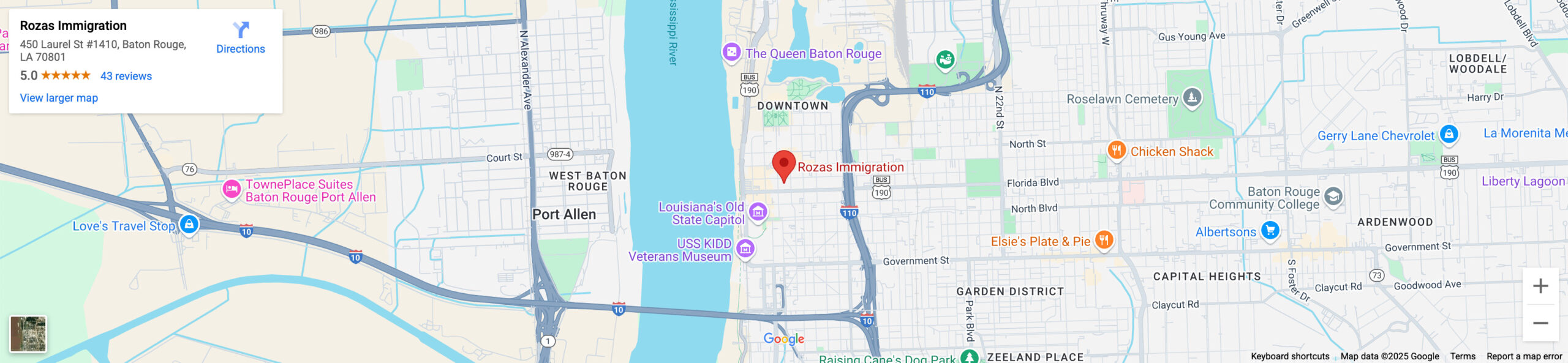
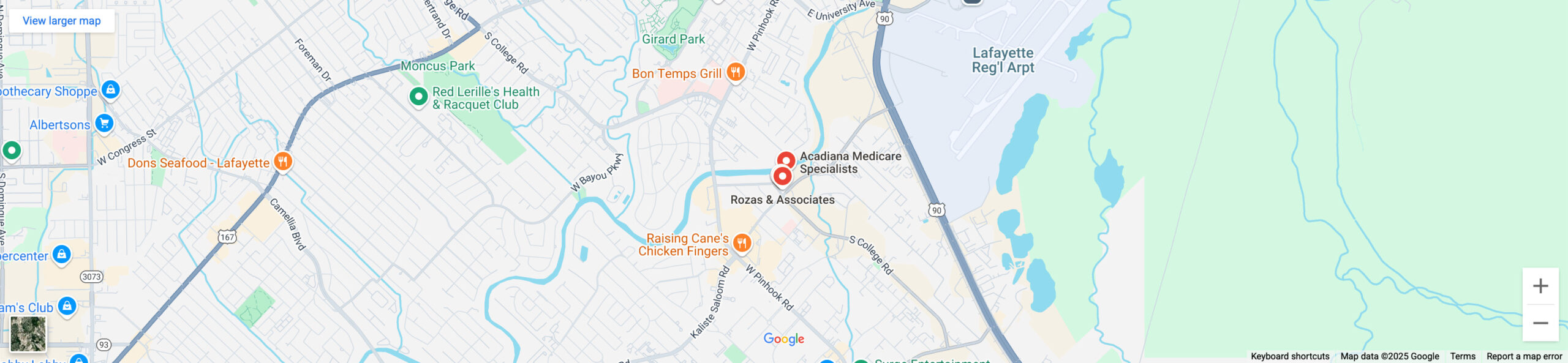
At Rozas, we have been helping families reunite through U.S. immigration law since 2004. Our bilingual attorneys work with clients across Louisiana and nationwide, with a large portion of our family petition clients coming from families with roots in Mexico, Honduras, Guatemala, and across Latin America. We handle everything from I-130 filings to consular processing prep to citizenship applications once your child reaches permanent residency.
Every family’s situation is different. Our child visa attorneys review your specific relationship, your status, and your child’s current situation before recommending a path forward. We appear in person at every hearing. We answer questions in English and Spanish. And we have helped more than 10,000 clients build their lives in the United States.
Call us today at 225-341-6945 or schedule a consultation online. The sooner you start, the sooner your family is together.
Frequently Asked Questions on How to Bring Your Child to the U.S. on a Family Based Visa
How can I get a family visa for my child?
Start by filing Form I-130, Petition for Alien Relative, with USCIS. This petition establishes the parent-child relationship and begins the visa process. The full path includes USCIS petition approval, National Visa Center processing, and either a consular visa interview abroad or an adjustment of status filing if your child is already in the United States.
Can a green card holder bring their child to the United States?
Yes. Lawful permanent residents can petition for their unmarried children using Form I-130. Minor children fall under the F2A preference category and adult unmarried children fall under F2B. Both categories have annual visa caps, which means there is a waiting period before a visa number becomes available. The length of that wait depends on your child’s country of birth and current demand.
What is the Child Status Protection Act (CSPA)?
The CSPA is a federal law that protects children from aging out of a visa category while their petition is being processed. Under CSPA, a child’s age for immigration purposes may be calculated differently than their biological age, which can allow them to keep their original classification even after turning 21. The calculation is complex and time-sensitive. An immigration attorney should review any case where aging out is a concern.
What is Form I-130 and how does it work for children?
Form I-130 is the Petition for Alien Relative. It is the required first step in sponsoring a family member for a green card. For children, it documents the qualifying parent-child relationship and creates a place in line for visa processing. An approved I-130 does not grant any immigration benefit by itself. It is the foundation the rest of the process builds on. You can learn more in our family sponsorship guide.
How long does it take to bring a child to the U.S. on a family visa?
For U.S. citizens petitioning for an unmarried child under 21, the estimated timeline is roughly 12 to 24 months from filing to final approval, depending on the service center and whether the child is applying from abroad or already in the country. For preference categories under green card holders, timelines vary significantly and can range from a few years to over a decade for high-demand countries.
Do I need a lawyer to petition for my child?
USCIS allows you to file on your own, but errors in the petition, missing documents, or the wrong classification can trigger delays, Requests for Evidence, or denials. If your child is close to turning 21, has had any prior immigration issues, or is in a stepchild or adoption situation, legal review is especially valuable. Our attorneys offer consultations so you can understand your options before deciding how to proceed.
This content is provided for general informational purposes only and does not constitute legal advice. Immigration laws and processing times are subject to change. Consult a licensed immigration attorney regarding your specific situation. Rozas Law Firm is licensed to practice law in Louisiana and represents immigration clients nationwide.