.svg)
Bringing your brother or sister to live permanently in the United States is a meaningful goal—but it is also one of the most complex and time-intensive family-based immigration processes. The sibling visa, also known as the F4 family preference visa, involves strict eligibility requirements, extensive documentation, and long government wait times.
Working with an experienced sibling visa lawyer in the United States can help you avoid costly mistakes, reduce delays, and ensure your petition is properly prepared from the very beginning of the immigration process. At Rozas Immigration, we guide U.S. citizens through every stage with clarity, strategy, and compassion.
What Is a Sibling Visa (F4 Visa)?
A sibling visa USA allows U.S. citizens to petition for their brother or sister to become a lawful permanent resident (green card holder) and receive a Permanent Resident Card (Form I-551) after entry. This visa falls under the Family Fourth Preference (F4) category.
Who Can Apply for a Visa for a Sibling?
To qualify, the petitioner must:
- Be a U.S. citizen (green card holders are not eligible)
- Be at least 21 years old
- Prove a qualifying sibling relationship (biological, half-sibling, step-sibling, or adopted sibling)
If approved, your sibling may eventually immigrate to the U.S. as a permanent resident, along with their spouse and unmarried children under 21.
Schedule a virtual consultation with an Attorney
Why You Need a Sibling Visa Lawyer
The sibling visa process is not fast—and it is unforgiving of errors. Even small documentation issues can result in years of additional delay.
A sibling visa attorney helps by:
- Ensuring your Form I-130 petition is complete and accurate
- Identifying the correct evidence for complex family relationships
- Preventing Requests for Evidence (RFEs) or denials
- Monitoring priority dates and visa bulletin movement
- Guiding you through consular processing or green card steps
Required Documents for a Sibling Visa Petition
A successful petition requires clear proof of both citizenship and family relationship.
Core Documents Include:
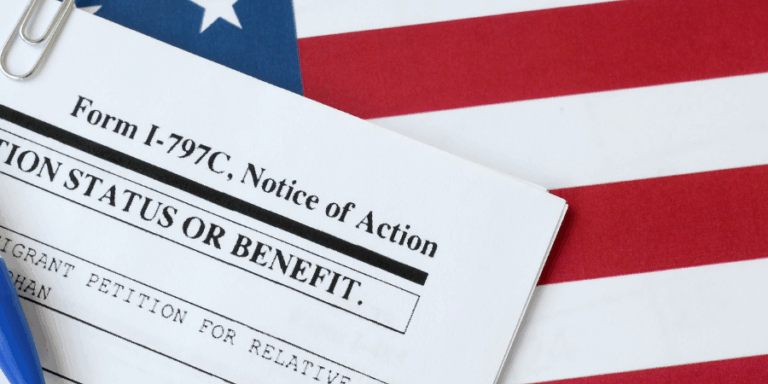
- Form I-130, Petition for Alien Relative
- Your birth certificate
- Your sibling’s birth certificate shows at least one common parent
- Proof of U.S. citizenship, such as:
- U.S. passport
- U.S. birth certificate
- Naturalization certificate
- Certificate of citizenship
Additional Documents May Be Required If:
- Adopted siblings: Adoption decree finalized before age 16
- Step-siblings: Marriage certificate of parents and proof that prior marriages ended
- Paternal half-siblings: Marriage and divorce records for the biological father
- Name changes: Marriage certificates, divorce decrees, or court orders
An experienced F4 visa lawyer ensures the right documents are submitted the first time.
How Long Does the Sibling Visa Process Take?
Sibling visas are subject to annual limits, making wait times significantly longer than immediate-relative visas.
- Current wait times often range from 12 to 20+ years
- The process depends on your sibling’s priority date and country of origin
- No temporary entry to the U.S. is allowed while the petition is pending, in most cases
A lawyer for a sibling visa can help you understand timelines, track visa bulletin updates, and plan ahead realistically.

Can My Sibling Live in the U.S. While the Petition Is Pending?
In most cases, no. A pending or approved sibling visa petition does not grant the right to:
- Enter the U.S.
- Live in the U.S.
- Work in the U.S.
Certain exceptions may exist, but they are limited. A knowledgeable sibling visa attorney can evaluate whether any lawful options are available.
What If My Sibling’s Visa Petition Is Denied?
If your petition is denied, you may have the right to appeal. The denial notice will explain:
- The reason for denial
- Whether an appeal is allowed
- The deadline for filing
Rozas Immigration can review denial notices, advise on appeals, and help refile when appropriate.
Following-to-Join Benefits for Spouses and Children
Once your sibling becomes a permanent resident, their spouse and unmarried children under 21 may qualify for following-to-join benefits, allowing them to immigrate without filing separate I-130 petitions.
This process often involves:
- Form I-824
- Proof of family relationship
- Evidence of permanent resident status
A sibling visa lawyer free consultation can help determine eligibility and next steps.
How a Sibling Visa Leads to a Green Card
A sibling visa (F4) is an immigrant visa category, meaning it’s designed to lead to lawful permanent residence—also known as a green card.
Here’s how it typically works:
- File Form I-130 to establish the sibling relationship.
- Wait for a visa number (F4 priority date to become current).
- Complete immigrant visa processing (typically consular interview and paperwork).
- Enter the U.S. as a permanent resident and receive the green card after entry.
- Include spouse and children (under 21, unmarried) when eligible.
Because each step has strict rules and deadlines, working with a Sibling Visa Lawyer can help ensure the process stays on track and your family avoids preventable delays.

Our Results
Nationwide Immigration Services
Why Choose Rozas Immigration as Your Sibling Visa Lawyer?
At Rozas Immigration, we understand that sibling visa cases are deeply personal—and legally demanding. Our firm provides:
- Nationwide representation across the United States
- Strategic planning for long-term immigration goals
- Meticulous documentation preparation
- Honest guidance about timelines and expectations
- Personalized support from start to finish
Speak With a Sibling Visa Lawyer Today
The sibling visa process is a marathon—not a sprint. Starting with the right legal guidance can save you years of frustration.
Contact Rozas Immigration today to schedule your sibling visa lawyer free consultation and take the first step toward reuniting your family in the United States.
Frequently Asked Questions
Related Blog Posts