.svg)
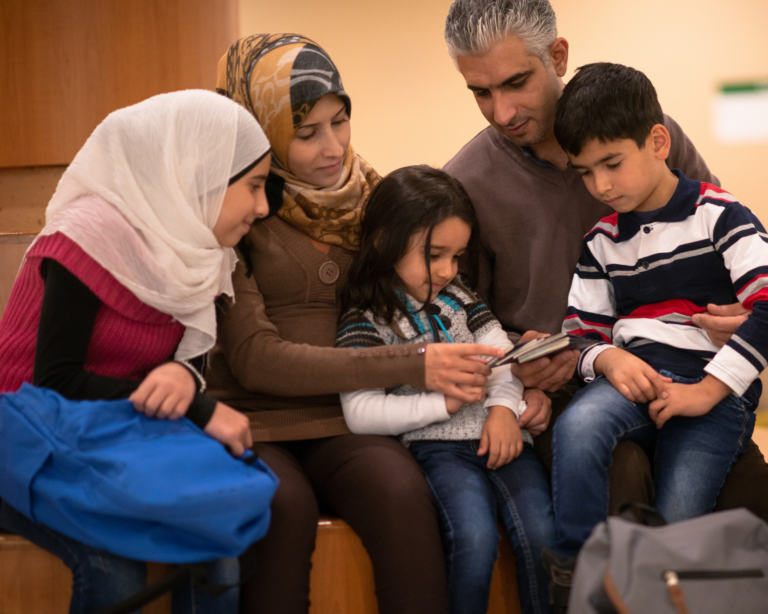
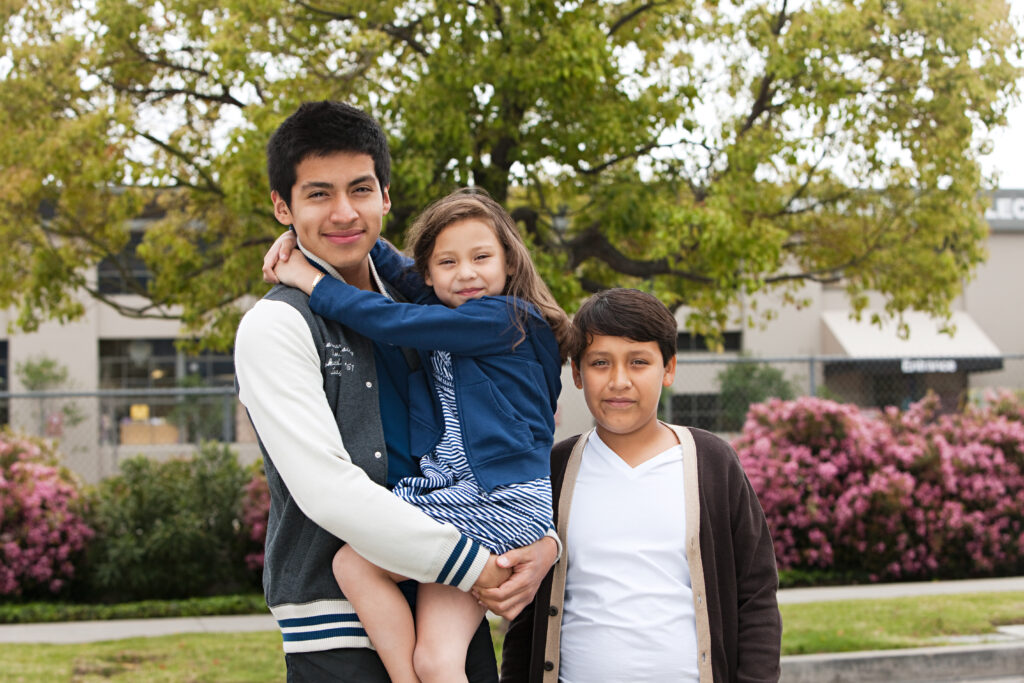
Children and young adults who have experienced abuse, abandonment, or neglect by one or both parents may have a pathway to lawful permanent residence through Special Immigrant Juvenile Status (SIJS). This humanitarian immigration benefit is designed to protect vulnerable youth already living in the United States and provide them with an opportunity to build a safer future.
At Rozas Immigration, we understand that SIJS cases involve both sensitive family circumstances and complex immigration laws. Our attorneys work closely with children, guardians, and families to navigate every step of the process, from obtaining the necessary state court findings to preparing and filing immigration petitions with U.S. Citizenship and Immigration Services (USCIS). If you are looking for a trusted United States Special Immigrant Juvenile Status lawyer, we are here to help.
Schedule a virtual consultation with an Attorney

What is Special Immigrant Juvenile Status?
Special Immigrant Juvenile Status (SIJS) is a federal immigration classification that allows certain children and young adults in the United States who have been abused, neglected, or abandoned by one or both parents to seek lawful permanent residence. To qualify, applicants must first obtain a qualifying order from a state juvenile court before filing a petition with USCIS. If SIJS is approved and an immigrant visa becomes available, eligible individuals may apply for a green card.
Because SIJS cases involve both state court proceedings and federal immigration laws, the process can be legally complex. An experienced SIJS attorney can help ensure each step is completed correctly while protecting the child’s best interests.
Why Choose Rozas Law Firm
At Rozas Immigration, we understand that every SIJS case represents a child or young adult seeking safety, stability, and a better future. Our asylum attorneys provide compassionate, personalized legal representation while guiding clients through every phase of the SIJS process. We take the time to understand each client’s circumstances, explain their legal options, and develop a strategy tailored to their unique needs.
Our experienced family-based immigration legal team stays current on evolving immigration laws and USCIS policies affecting Special Immigrant Juvenile Status cases. From coordinating with family law proceedings to preparing immigration petitions and supporting documentation, we are committed to providing knowledgeable advocacy and responsive communication throughout your case.
Our Results
Nationwide Immigration Services
Eligibility for SIJS
To qualify for Special Immigrant Juvenile Status, applicants generally must:
- Be under 21 years of age when filing the SIJS petition.
- Be unmarried.
- Be physically present in the United States.
- Obtain a valid state juvenile court order finding that they are dependent on the court or placed in the custody of an individual or agency.
- Demonstrate that reunification with one or both parents is not possible because of abuse, abandonment, neglect, or a similar basis under state law.
- Show that returning to their country of nationality or last habitual residence is not in their best interests.
Meeting these requirements can involve both family court and immigration court proceedings. An experienced SIJS lawyer can evaluate your circumstances and determine whether you or your child may qualify.
How to Apply for SIJS
The SIJS process begins by obtaining the required findings from a state juvenile court. Once the appropriate court order has been issued, the applicant may file Form I-360, Petition for Amerasian, Widow(er), or Special Immigrant, with USCIS requesting Special Immigrant Juvenile classification. If the petition is approved and an immigrant visa is available, the applicant may then seek lawful permanent residence by filing the appropriate application for adjustment of status.
Because the process involves strict eligibility requirements, extensive documentation, and coordination between state and federal agencies, working with an experienced SIJS attorney can help minimize delays and ensure your application is as strong as possible which can even lay the groundwork for citizenship & naturalization.
Contact a Special Juvenile Status Attorney Today
If your child or a loved one may qualify for Special Immigrant Juvenile Status, it is important to seek experienced legal guidance as soon as possible. SIJS cases require careful preparation and a thorough understanding of both state court procedures and federal immigration laws.
At Rozas Immigration, we are committed to helping vulnerable children and young adults pursue the protection and stability they deserve. Contact Rozas Immigration today to schedule a consultation with an experienced Special Immigrant Juvenile Status lawyer and learn how we can help you navigate the SIJS process.
Frequently Asked Questions
Related Blog Posts























Meet David Rozas - Your United States Immigration Attorney
Meet David, your trusted U.S. immigration attorney at Rozas Immigration, for dedicated assistance throughout your immigration process. With years of experience in U.S. immigration law, David provides personalized legal guidance tailored to your specific needs. Whether you need help with family-based petitions, employment visas, or green card applications, David’s thorough knowledge of immigration laws ensures your case is handled with care and professionalism.
Schedule a consultation below or call us at 225-341-6945 today to begin your journey with a reliable U.S. immigration attorney by your side.