.svg)
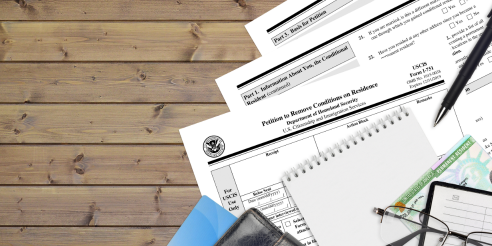
A conditional green card comes with a deadline. If that deadline passes without action, USCIS can terminate your status and begin removal proceedings. That outcome is avoidable, but the filing window is narrow. You have 90 days before your card expires to submit Form I-751, the Petition to Remove Conditions on Residence. Not 90 days to start thinking about it. 90 days to file.
At Rozas Immigration, we help conditional residents across the country navigate this process correctly and on time. Our immigration attorneys know exactly what USCIS expects, how to build a petition package that holds up under scrutiny, and how to protect our clients when complications arise.
Schedule a virtual consultation with an Attorney
What Does Removal of Conditions Mean?
When a marriage-based green card is granted to someone married for less than two years, USCIS issues a conditional green card instead of a standard 10-year card. It looks similar, but it carries an expiration date and a condition: you must prove, approximately two years later, that the marriage was genuine.
Removing those conditions converts your status to full permanent residence. You receive a 10-year green card with no attached restrictions. To get there, you file Form I-751 with USCIS and demonstrate that your marriage was entered in good faith. For more on how conditional and permanent residence differ, read our post on the difference between conditional residence and permanent residence.
Who Needs to File Form I-751?
Anyone who received a two-year conditional green card through marriage needs to file Form I-751 before that card expires. Most people file jointly with their spouse during the 90-day window before the card’s expiration date.
If you and your spouse are still married, you file together. You submit the petition, pay the $750 filing fee, and include evidence that your marriage is real. USCIS reviews everything, may schedule a biometrics appointment or interview, and eventually issues a 10-year green card.
Filing timing matters. USCIS will reject petitions submitted before the 90-day window opens. Petitions filed after the expiration date risk termination of status. The “Card Expires” date on your green card is your anchor point. Count back 90 days from that date. That is the first day you can file.

Filing Without Your Spouse: Waiver Options
Not every I-751 petitioner is still married. Divorce, death, abuse, and extreme hardship are all recognized grounds for filing Form I-751 alone, without your spouse, through a waiver of the joint filing requirement.
Waiver situations include:
- Divorce or annulment — You entered the marriage in good faith, but it has since ended.
- Death of the U.S. citizen or LPR spouse — You can file individually at any time.
- Battery or extreme cruelty — If you or your child experienced abuse during the marriage, you may qualify under VAWA protections. Filing based on VAWA also exempts you from the $750 filing fee.
- Extreme hardship — Removal from the United States would cause significant harm to you or your family.
If your situation falls into one of these categories, you still have a path to permanent residence. The waiver process is more document-intensive than a standard joint filing, but it is achievable. Our attorneys work through these cases regularly. For a full breakdown of what waiver situations look like in practice, see our post on removal of conditional residency.
The I-751 Process, Step by Step
Filing Form I-751 involves more than submitting a form. USCIS expects a complete package from the start. Here is what the process typically looks like:
- Confirm your filing window. Identify the “Card Expires” date on your green card and count back 90 days. That is the earliest you can file.
- Complete Form I-751. Fill out the petition accurately. Use the current USCIS edition. Outdated versions are rejected.
- Gather supporting documents. This includes copies of both sides of your green card, proof of a bona fide marriage (joint tax returns, lease agreements, bank statements, insurance documents, photos, and affidavits), and any children’s documentation if applicable.
- Pay the filing fee. The current fee is $750. Electronic payment is required for most paper filers.
- Submit to the correct USCIS address. The filing address depends on your location and the type of petition. Sending to the wrong address causes delays.
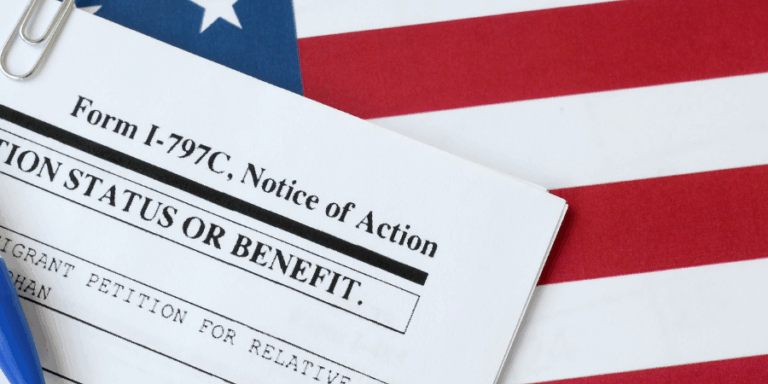
- Receive your receipt notice. USCIS sends Form I-797C, which automatically extends your conditional green card for 48 months while your case is pending.
- Attend biometrics. USCIS schedules a fingerprinting appointment at the nearest Application Support Center.
- Prepare for a possible interview. Not every case requires one, but USCIS has increased interview scheduling in 2026. Strong supporting evidence reduces that risk.
For a deeper look at each stage, read our complete guide to the Petition to Remove Conditions on Residence.
Our Results

Nationwide Immigration Services

What Happens After You File?
After USCIS receives your petition, the waiting begins. AsF of 2026, the estimated median processing time for Form I-751 is approximately 21 months. During that time, your conditional green card is extended by the receipt notice. Carry both your expired card and the I-797C notice together as proof of status.
You can work legally, travel internationally, and go about your life during the wait. If USCIS approves the petition, they mail a 10-year permanent green card to your address on file. That card is renewable every 10 years, with no conditions attached.
If USCIS schedules an interview, it typically takes place at a local field office and runs under 30 minutes. An officer reviews your petition, asks questions about your marriage and application, and verifies that the evidence matches your answers.
A denial is serious. USCIS will issue a Notice to Appear, which starts removal proceedings in immigration court. That is not a dead end, but it is a situation that requires experienced legal representation to navigate.
Why Legal Representation Matters in 2026
USCIS has tightened its review of I-751 petitions. More cases are receiving requests for additional evidence. Interview scheduling has increased. The standard for proving a bona fide marriage is higher than it was even two or three years ago. A petition that might have passed through before is now more likely to face scrutiny.
A well-built petition packet prevents most problems before they start. That means complete documentation, consistent evidence, and no gaps that prompt follow-up. Our attorneys have reviewed and filed thousands of immigration petitions. We know where USCIS looks first and what a strong submission looks like.
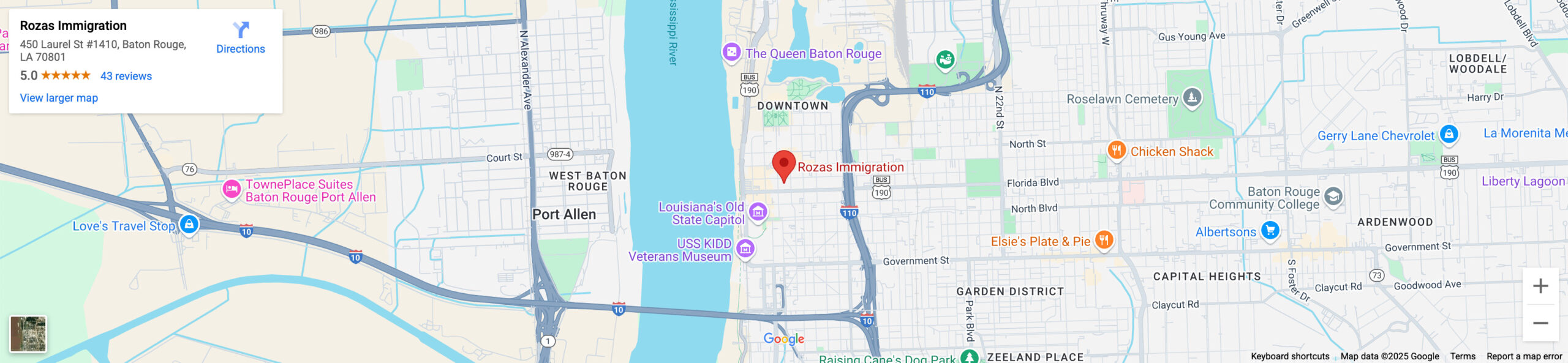
Since 2004, Rozas Immigration has helped more than 10,000 families navigate U.S. immigration law. Our bilingual team works in Spanish and English, so nothing gets lost between your situation and your file. We serve clients throughout Louisiana and handle I-751 cases across the country.
Missing a deadline or submitting an incomplete package can cost years. We help you file right, on time, with evidence that holds up.


Work With a Removal of Conditions Lawyer
Your permanent residence is worth protecting. The I-751 process has real consequences on both ends: file correctly and your 10-year green card arrives in the mail. File late, file incomplete, or miss the window entirely and you face status termination and potential removal proceedings.
Our team is ready to review your situation, confirm your filing window, and build a petition package designed to withstand USCIS review. We handle straightforward joint filings and complex waiver cases. We represent clients in immigration court when necessary. Whatever your situation looks like right now, we can help you figure out the right next step.
Call us at 225-341-6945 or contact our team online to schedule a consultation with a removal of conditions attorney.
The content on this page is for general informational purposes only and does not constitute legal advice. Every immigration case is different. Contact our office to discuss the specifics of your situation with a licensed immigration attorney.
Frequently Asked Questions
Related Blog Posts