.svg)
What to Do If You Are Detained by ICE

Few moments are more frightening than being stopped by Immigration and Customs Enforcement. Whether it happens on the street, during a traffic stop, or at your front door, the fear can be overwhelming. Your mind races. You don’t know what to say. You don’t know what comes next.
Take a breath. You have rights. And knowing them can make a real difference.
This guide is for two people: the person who has been detained, and the family member who just got the call. We’ll walk through both situations clearly, step by step. At Rozas Law, we’ve been helping immigrant families navigate exactly these moments since 2004. You are not without options.
You Have Rights — No Matter Your Immigration Status
This is the first thing to understand: everyone in the United States has constitutional rights. Green card holders, visa holders, DACA recipients, and undocumented immigrants alike. Your rights do not disappear because of your immigration status.
ICE agents are required to treat you with due process under the law. That means you have the right to remain silent. You have the right to speak with an attorney before answering questions. And in most cases, you have the right to a hearing before an immigration judge before any removal can happen.
Knowing these rights is not just helpful. It’s protective.
The First Thing to Do If ICE Detains You
Stay calm. Do not run. Do not resist.
As soon as you can, say this clearly: “I am using my right to remain silent. I want to speak to a lawyer.”
That’s it. You do not have to explain where you were born. You do not have to share your immigration history. You do not have to say anything at all beyond invoking your rights.
Do not sign any documents without a lawyer present. This is critical. ICE agents may present papers and suggest that signing will help your situation or speed up your release. Some of those documents are deportation agreements. Signing one can mean waiving your right to see a judge. And once signed, it is very hard to undo.
Try to memorize or pass along one key piece of information as quickly as possible: your Alien Registration Number, called your A-Number. This is a nine-digit number found on most immigration documents. It starts with the letter “A.” Your family and your attorney will need it to locate you in the system.
What NOT to Do When ICE Detains You
Mistakes made in the first hours of a detention can follow a case for months. Here are the things that matter most:
Do not lie to ICE agents. You have the right to stay silent, but providing false information can create serious legal problems.
Do not show documents from another country, such as a foreign passport, unless you have lawful status. ICE agents can use foreign documents against you.
Do not consent to a search of your home, your car, or your belongings without a judicial warrant. You can say clearly: “I do not consent to a search.” ICE agents generally need a warrant signed by a judge — not an administrative warrant — to enter your home.
Do not assume voluntary departure is a good deal. Agreeing to leave the country voluntarily may sound like a quick way out. For many people, it forfeits the right to a bond hearing, the right to see a judge, and possibly the right to apply for asylum or other relief. Always talk to an attorney first.
What to Do If a Family Member Is Detained by ICE
Learning that a loved one has been taken by ICE is one of the most frightening calls a family can receive. The hours after a detention move fast. And the steps you take early can directly affect what happens next.
The single most important first step: contact an immigration attorney immediately.
Detention cases move quickly. Detainees can be transferred to facilities hundreds of miles away within days, sometimes as a deliberate strategy that disrupts access to family and legal support. Having an attorney on the case from the start gives your loved one the best chance of a bond hearing, a strong defense, and a path forward.
While you’re reaching out to an attorney, here is what else you should do right away.
How to Find Someone Who Has Been Detained
Your first task is locating your family member. Use the ICE Online Detainee Locator System at locator.ice.gov. You’ll need either their A-Number and country of birth, or basic biographical information like their full name and date of birth.
Note: the locator doesn’t always update instantly after a transfer. If you can’t find your loved one there, call ICE’s detention reporting line at 1-888-351-4024.
You should also check their immigration court case status through the Executive Office for Immigration Review (EOIR) at eoir.justice.gov or by calling the 24/7 hotline at 1-800-898-7180. You’ll need their A-Number.
While you’re gathering information, start pulling together important documents. Your attorney will need them for the bond hearing and any future proceedings:
- Any immigration documents (green card, work permit, visa, I-94, USCIS notices)
- Proof of U.S. ties: lease agreements, utility bills, pay stubs, tax returns
- Children’s school enrollment records
- Letters of support from employers, community members, or family
- Any records of criminal history, if applicable — your attorney needs the full picture
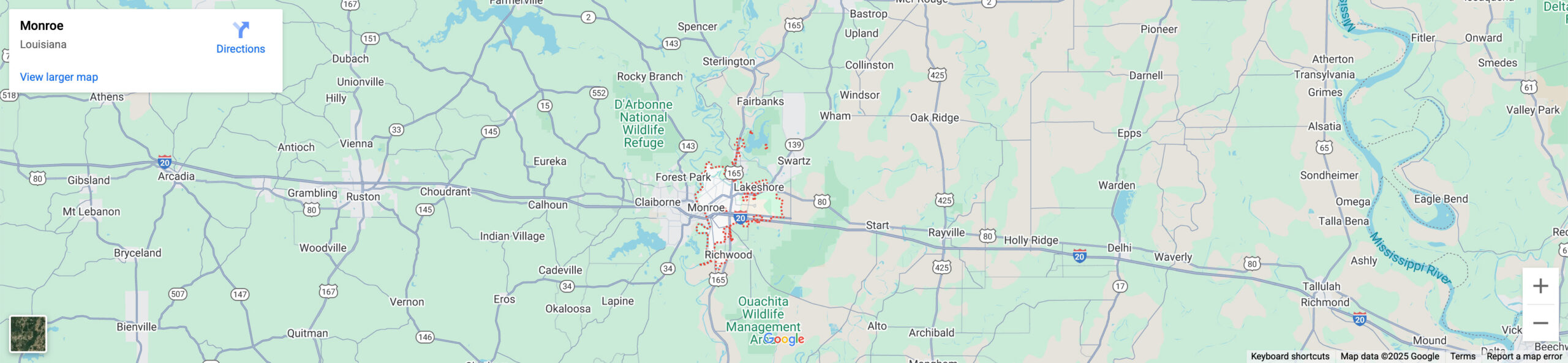
Louisiana has nine ICE detention facilities, including processing centers in Jena, Pine Prairie, Basile, Winnfield, and Monroe. If your loved one is held in one of these facilities, our detention center attorneys know these facilities and how to navigate them.
Understanding Bond Hearings and Your Options for Release
A detention is not a deportation order. Many people are released from ICE custody while their case continues, but that release typically requires a bond hearing.
At a bond hearing, an immigration judge evaluates two main questions: Is this person a flight risk? Do they pose a danger to the community? Evidence of community ties, family in the U.S., employment history, and good moral character all work in your favor.
Not everyone is automatically eligible for a bond hearing. Certain criminal convictions can trigger mandatory detention under federal law — meaning a bond may not be available without a more complicated legal challenge. Immigration law in this area has been shifting rapidly since early 2025, so it’s essential to have an attorney review the specific circumstances of your case.
Do not request a bond hearing without legal representation. In most cases, you only get one. Walking into that hearing unprepared — without the right documentation and legal strategy — can mean remaining detained for months while your case proceeds.
Whether the goal is securing bond, fighting removal, applying for asylum, or pursuing adjustment of status, our immigration attorneys will build the strongest possible case for your situation.
How Rozas Law Firm Helps Families Facing ICE Detention
Since 2004, Rozas Law has stood alongside more than 10,000 immigrant families across Louisiana and nationwide. We understand what’s at stake when someone you love is in a detention center. We also understand that time is not on your side.
Our attorneys handle every stage of an ICE detention case:
- Locating detained individuals and preventing out-of-state transfers
- Filing for bond and representing clients at bond hearings
- Challenging the basis of detention where grounds exist
- Denying charges on the Notice to Appear (NTA)
- Filing for adjustment of status in removal proceedings
- Pursuing asylum and withholding of removal
- Advocating for humanitarian parole on compassionate grounds
We offer representation in English and Spanish, and our team treats every client like family — because we understand what family means when it’s being pulled apart.
If someone you love has been detained, don’t wait. Contact Rozas Law today for a consultation. Every hour matters.
Frequently Asked Questions
Can ICE detain a green card holder?
Yes. Lawful permanent residents can be detained by ICE, particularly if they have certain criminal convictions or if ICE believes they are removable. Having a green card does not guarantee protection from enforcement action.
What happens after ICE detains someone?
After arrest, ICE takes the person to a detention facility for processing. ICE reviews their immigration history and issues a Notice to Appear (NTA), which initiates formal removal proceedings. The person will then have hearings before an immigration judge.
Do I have to answer ICE questions?
No. Everyone in the United States has the right to remain silent. You can say: “I am using my right to remain silent. I want to speak to a lawyer.” You do not have to answer questions about your immigration status, where you were born, or how you entered the country.
Can I be deported without seeing a judge?
In most cases, no — unless you sign voluntary departure documents or are subject to expedited removal. This is why it is critical not to sign anything without speaking to an attorney first.
What is the first step after a family member is detained by ICE?
Contact an immigration attorney as quickly as possible. Then use the ICE Online Detainee Locator at locator.ice.gov to find your loved one, and begin gathering their immigration documents. Time is critical — detention cases move fast.
This article is for informational purposes only and does not constitute legal advice. Immigration law is complex and changes frequently. Please consult a qualified immigration attorney about your specific situation.