.svg)
Many U.S. businesses depend on seasonal or temporary workers to meet increased labor demands during peak periods. The H-2B visa program allows eligible employers to hire foreign workers for temporary non-agricultural jobs when qualified U.S. workers are unavailable. However, obtaining H-2B workers requires compliance with detailed federal regulations, strict filing deadlines, and multiple government agencies. An experienced H-2B seasonal and temporary work visas lawyer can help employers navigate the process while avoiding costly delays and compliance issues.
At Rozas Immigration, we assist employers throughout the United States with every stage of the H-2B visa process. Whether you operate a hospitality business, landscaping company, construction firm, seafood processing facility, or another seasonal business, our attorneys can help you pursue the workforce your business needs while remaining compliant with U.S. business immigration laws.
Schedule a virtual consultation with an Attorney
What Is an H-2B Seasonal and Temporary Work Visa?
The H-2B visa is a temporary nonimmigrant visa that allows U.S. employers to hire foreign nationals to perform temporary non-agricultural work when there are not enough qualified U.S. workers available. The employment must be temporary in nature and generally fall into one of four categories recognized by federal regulations: one-time occurrence, seasonal need, peak-load need, or intermittent need. If you need additional temporary labor and help for an agricultural business then H-2A Agricultural Worker Visas are necessary.
The H-2B program serves employers in industries such as hospitality, tourism, landscaping, forestry, construction, amusement parks, seafood processing, and other businesses that experience temporary labor shortages. Before hiring foreign workers, employers generally must obtain a temporary labor certification and demonstrate that employing H-2B workers will not adversely affect the wages or working conditions of similarly employed U.S. workers.

Who Qualifies for an H-2B Visa?
To participate in the H-2B program, employers generally must:
- Demonstrate that the need for workers is temporary.
- Show there are not enough qualified U.S. workers who are able, willing, qualified, and available to perform the work.
- Establish that employing foreign workers will not negatively impact the wages or working conditions of similarly employed U.S. workers.
- Obtain a temporary labor certification from the U.S. Department of Labor before filing a petition with U.S. Citizenship and Immigration Services (USCIS).
Foreign workers must also satisfy the eligibility requirements for H-2B classification and, when applicable, obtain an H-2B visa from a U.S. embassy or consulate before entering the United States. Because annual visa caps and filing deadlines can affect eligibility, employers should begin the application process as early as possible.
Why Choose Rozas Law Firm for Your H-2B Visa Case
Successfully navigating the H-2B program requires careful planning, detailed documentation, and compliance with evolving immigration and labor regulations. At Rozas Immigration, we understand how important seasonal workers are to many businesses and the impact delays can have on daily operations. Our attorneys provide practical legal guidance designed to help employers complete the process accurately and efficiently.
We work closely with employers to evaluate eligibility, prepare complete applications, respond to government requests, and remain compliant throughout the H-2B process. Our team of green card lawyers stay informed about changes to Department of Labor regulations, USCIS policies, and immigration laws so we can provide knowledgeable representation tailored to each client’s workforce needs. Whether you are filing your first H-2B petition or returning to the program for another season, we are committed to helping your business succeed.
Our Results
Nationwide Immigration Services
The H-2B Visa Application Process
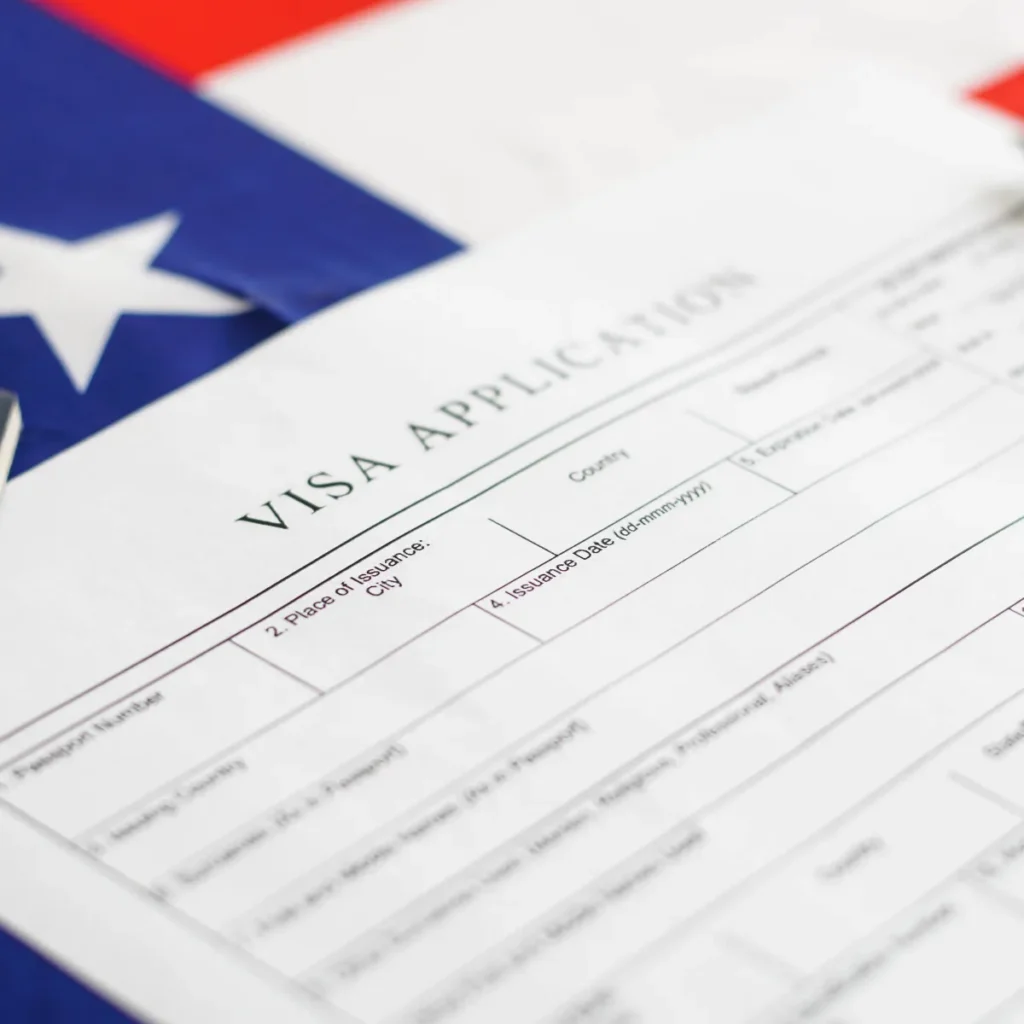
The H-2B process typically begins with obtaining a temporary labor certification from the U.S. Department of Labor. Employers must demonstrate that they have a legitimate temporary need for foreign workers and that sufficient U.S. workers are unavailable to fill the positions.
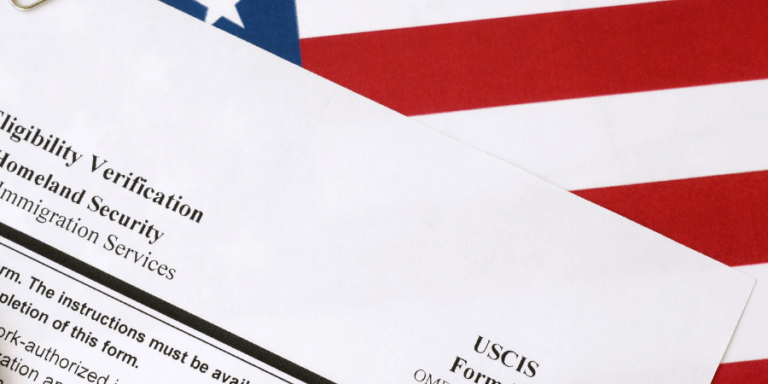
Once labor certification has been approved, the employer files Form I-129, Petition for a Nonimmigrant Worker, with USCIS. After USCIS approves the petition, eligible workers outside the United States generally apply for H-2B visas through a U.S. embassy or consulate before traveling to the United States. Throughout the process, employers must satisfy strict filing deadlines and documentation requirements to avoid delays that could affect seasonal business operations.
How an H-2B Visa Attorney Can Help Employers Meet Program Requirements
The H-2B program involves numerous legal obligations that extend beyond obtaining visa approval. Employers must comply with Department of Labor recruitment requirements, wage regulations, recordkeeping obligations, and other federal employment standards. Failure to meet these requirements can lead to penalties, audits, or restrictions on future participation in the H-2B program.
An experienced H-2B visa immigration attorney can assist employers by determining eligibility, preparing temporary labor certification applications, filing USCIS petitions, pursuing adjustment of status, organizing supporting documentation, responding to Requests for Evidence (RFEs), and helping ensure ongoing compliance with Department of Labor and USCIS regulations. Experienced legal guidance can reduce administrative burdens while helping employers maintain compliance throughout the hiring process.
Contact an H-2B Seasonal and Temporary Work Visas Lawyer Today
If your business relies on seasonal or temporary workers, obtaining H-2B visas efficiently can be essential to maintaining your operations. Experienced legal representation can help streamline the employer sponsored green card application process while reducing the risk of costly errors or delays.
At Rozas Immigration, we help employers throughout the United States navigate the H-2B visa process with confidence. Contact us today to schedule a consultation with an experienced H-2B seasonal and temporary work visas lawyer and learn how we can help your business meet its workforce needs through employment-based immigration.
Frequently Asked Questions
Related Blog Posts






















Meet David Rozas - Your United States Immigration Attorney
Meet David, your trusted U.S. immigration attorney at Rozas Immigration, for dedicated assistance throughout your immigration process. With years of experience in U.S. immigration law, David provides personalized legal guidance tailored to your specific needs. Whether you need help with family-based petitions, employment visas, or green card applications, David’s thorough knowledge of immigration laws ensures your case is handled with care and professionalism.
Schedule a consultation below or call us at 225-341-6945 today to begin your journey with a reliable U.S. immigration attorney by your side.