.svg)
Helping Clients Across the United States
Your situation changed. Your I-94 date didn’t.
Whether a medical issue extended your stay, a family emergency kept you in the United States longer than expected, or business, school, or personal circumstances delayed your departure, you may have options to remain in lawful status.
A visa extension is not automatically granted, but many nonimmigrants may qualify to request additional time in the United States when they meet USCIS requirements and file before their authorized stay expires.
At Rozas Law Firm, our bilingual immigration attorneys help individuals and families nationwide navigate visa extension applications, maintain lawful status, and avoid immigration complications. Since 2004, our firm has helped more than 11,000 clients navigate the U.S. immigration system through personalized legal guidance and clear communication.
If you are searching for a visa extension lawyer, Form I-539 attorney, or legal help extending your stay in the United States, our team is ready to help.
Call 225-341-6945 or schedule a consultation today.
Schedule a virtual consultation with an Attorney
What Is a Visa Extension?
A visa extension allows certain eligible nonimmigrants to request additional time in the United States beyond their current authorized period of stay.
Many people confuse their visa stamp expiration date with their authorized stay. In most situations, your Form I-94 controls how long you may remain in the United States—not the expiration date printed on your visa stamp.
This means:
- Your visa stamp may be expired while you remain lawfully present in the United States.
- Your visa stamp may still be valid even though your authorized stay has ended.
Before taking any action, review your most recent I-94 record through U.S. Customs and Border Protection.
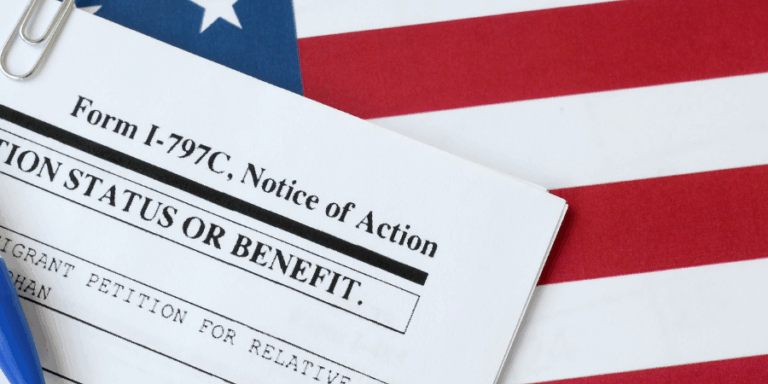
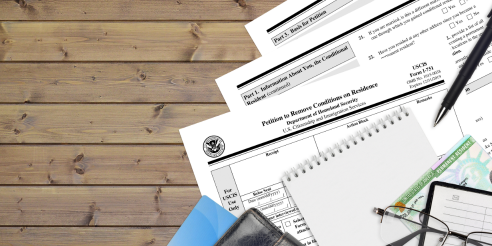
Most extension requests are filed using Form I-539, Application to Extend/Change Nonimmigrant Status. Certain employment-based categories may require Form I-129 instead.
Because immigration procedures and USCIS requirements can change over time, it is important to confirm eligibility and filing requirements before submitting an application.

Who May Be Eligible for a Visa Extension?
Eligibility depends on your visa category, immigration history, current status, and compliance with USCIS requirements.
Certain nonimmigrant visa categories may be eligible to request an extension of stay through Form I-539, including:
- B-1 and B-2 visitor visas
- F-1 and F-2 student visas
- J-1 and J-2 exchange visitor visas (subject to restrictions)
- H-4 dependent visas
- L-2 dependent visas
- O-3 dependent visas
- E-1, E-2, and E-3 dependent visas
- TN and TD classifications
Certain visa categories generally do not qualify for extensions through Form I-539, including:
- K-1 fiancé(e) visas
- K-2 dependent visas
- Visa Waiver Program (ESTA) entrants
- C and D visa holders
- Transit visa classifications
- WT and WB entries
To qualify for an extension, applicants generally must:
- Have entered the United States lawfully
- File before their authorized stay expires
- Maintain valid immigration status
- Demonstrate that their stay remains temporary
- Show sufficient financial support during the extension period
- Comply with applicable immigration laws and regulations
Because every immigration case is unique, working with a visa extension attorney can help identify eligibility concerns before filing.
How the Visa Extension Process Works
Step 1: Review Your I-94
Your authorized stay is typically controlled by your Form I-94 record. Reviewing your I-94 is one of the most important first steps before requesting an extension.
Step 2: File Before Your Authorized Stay Expires
USCIS generally requires applicants to submit extension requests before their authorized period of stay ends.
In many situations, filing before expiration may allow applicants to remain in an authorized period of stay while USCIS reviews the application.
Step 3: Prepare Supporting Documentation
A complete application package may include:
- Form I-539 or other required forms
- Passport identification documents
- Current visa documentation
- Form I-94 records
- A written explanation supporting the request
- Financial documentation
- Medical, educational, family, or employment records when applicable
Providing complete and organized documentation may help reduce delays and Requests for Evidence (RFEs).
Step 4: Pay Applicable Filing Fees
USCIS filing fees may change periodically. Applicants should always confirm current filing fees directly through USCIS before submitting an application.
Step 5: Avoid Travel Risks
International travel while a visa extension request is pending may affect certain applications.
Travel-related consequences can vary depending on the visa category and filing type. Applicants should consult with an immigration attorney before making international travel plans while an extension request remains pending.
Step 6: Wait for USCIS Review
Processing times vary based on:
- USCIS workload
- Visa category
- Service center location
- Requests for Evidence
- Current agency procedures
Applicants should avoid relying on fixed processing estimates because immigration processing times can change significantly over time.

Our Results
Nationwide Immigration Services

Common Reasons Visa Extensions Are Denied
USCIS carefully reviews visa extension requests and may deny applications for a variety of reasons.
Common issues include:
- Filing after I-94 expiration
- Unauthorized employment
- Failure to maintain status
- Incomplete documentation
- Insufficient supporting evidence
- Failure to demonstrate temporary intent
- Financial support concerns
- Prior immigration violations
- Inadmissibility issues
Even minor filing errors may result in delays or visa denials. Working with a visa extension lawyer may help applicants identify potential issues before filing.
What Happens If You Overstay?
Failing to maintain lawful status can have serious immigration consequences.
Depending on the circumstances, overstays may affect:
- Future visa applications
- Immigration benefits eligibility
- Reentry into the United States
- Lawful presence calculations
Individuals who believe they have overstayed or may have missed a filing deadline should seek legal guidance as soon as possible to evaluate available options.
Visa Extensions for Families
Many dependent family members may be included in extension requests depending on the immigration category.
Spouses and children holding dependent classifications such as:
- H-4
- L-2
- F-2
- J-2
may often request extensions alongside the principal applicant when eligible.
Family immigration situations can become more complex when permanent residency, marriage-based immigration, or status changes are involved. Our visa attorneys help families evaluate available immigration options and determine the most appropriate path forward.


Why Work With Rozas Law Firm?
Visa extension applications may appear straightforward, but filing mistakes can lead to delays, denials, status violations, and other immigration complications such as deportation.
Clients choose Rozas Law Firm because we provide:
- More than 11,000 clients served since 2004
- Nationwide immigration representation
- Bilingual attorneys and staff
- Personalized legal guidance
- Assistance with Form I-539 applications
- Family-based and employment-related immigration support
- Clear communication throughout the process
Our attorneys review immigration history, evaluate eligibility, identify potential concerns, and help clients prepare organized application packages designed to support accurate and complete filings.
Whether you need help with a visitor visa extension, student visa extension, dependent visa extension, or another nonimmigrant status matter, our team is here to help.
Frequently Asked Questions
Related Blog Posts