.svg)
U.S. Visa Attorney Who Help You Find the Right Path Forward
The U.S. immigration system has dozens of visa categories. Finding the right one, and actually getting approved, takes more than filling out a form. At Rozas Law Firm, our experienced US visa attorneys have helped thousands of clients navigate this process since 2004. We represent clients across Louisiana and nationwide, and we show up in person at hearings so you are never left to face the government alone.
Not sure what type of visa you need? Call us at 225-341-6945 for a free consultation.
What Type of Visa Do I Need?
That question comes up more than any other. The answer depends on why you are coming to the U.S., how long you plan to stay, and whether you eventually want to become a permanent resident.
Broadly, U.S. visas fall into two categories:
- Nonimmigrant visas are for temporary stays. Think visitors, students, workers, and exchange participants.
- Immigrant visas are for people who plan to live in the United States permanently.
The right visa for you depends on your specific situation. Our team takes the time to understand your goals before recommending a path.
Schedule a virtual consultation with an Attorney
Types of US Visas
Below is a breakdown of the main US visa categories.
A Visas: Diplomatic Visas
A visas are reserved for official government representatives and their households. There are three subcategories:
- A-1 covers heads of state, cabinet members, and senior diplomats.
- A-2 is for other accredited officials and government employees.
- A-3 applies to personal attendants and domestic workers employed by A-1 or A-2 holders.
Spouses and minor children qualify for the same visa class as the primary holder. All A-3 applicants must complete a consular interview. These visas are issued at a U.S. embassy or consulate in the home country and are typically valid for three years.
B Visas: Visitor Visas
B visas cover temporary travel to the United States. Two types exist:
- B-1 (Business Visitor): For attending meetings, conferences, negotiations, or settling an estate. This is not a work visa.
- B-2 (Tourism/Pleasure): For leisure travel, visiting family, receiving medical treatment, or participating in unpaid amateur events like sports tournaments.
Important note: a visa’s validity period controls when you can enter the U.S. How long you can actually stay is determined by the Customs and Border Protection officer at the port of entry, not the visa itself.
Some travelers from certain countries may qualify for the Visa Waiver Program (VWP), which allows visa-free stays of 90 days or less.
E Visas: Treaty Trader and Investor Visas
E visas are for nationals of countries that have trade or investment treaties with the United States.
- E-1 (Treaty Trader): Requires substantial trade between the U.S. and the applicant’s home country.
- E-2 (Treaty Investor): Requires a significant investment in a U.S. business.
- E-3: Exclusively for Australian nationals in specialty occupations.
These visas can be renewed indefinitely as long as the qualifying conditions remain in place.
F and M Visas: Student Visas
Students coming to the United States need a visa tied to the type of school they are attending.
- F-1 is for academic programs at accredited colleges, universities, and language schools.
- M-1 covers vocational and technical training programs.
F-1 students may be eligible for Optional Practical Training (OPT) after completing their program. Both visa types require enrollment in a Student and Exchange Visitor Program (SEVP)-certified school.
G Visas: International Organization Visas
G visas are issued to representatives of international organizations recognized by the United States, including the United Nations and its affiliated bodies. These visas cover the principal representative as well as staff and their immediate family members.
H Visas: Temporary Work Visas
H visas bring skilled and specialty workers to the U.S. on a temporary basis. The main subcategories are:
- H-1B: For workers in specialty occupations requiring at least a bachelor’s degree.
- H-2A: For temporary agricultural workers.
- H-2B: For temporary non-agricultural workers in industries facing labor shortages.
- H-3: For trainees in programs not available in the applicant’s home country.
- H-4: For spouses and children of H-1B holders.
H-1B visas are subject to an annual cap, and demand far exceeds supply most years. Timing and preparation matter.
I Visas: Media and Journalist Visas
Representatives of foreign media, including reporters, film crews, and journalists, need an I visa to work in the United States. This covers employees of foreign newspapers, radio stations, television broadcasters, and film production companies.
J Visas: Exchange Visitor Visas
The J visa supports cultural and educational exchange programs authorized by the U.S. Department of State. Common participants include:
- Students and scholars
- Research scientists
- Medical trainees and physicians
- Au pairs and camp counselors
- Government visitors
Some J visa holders are subject to a two-year home residency requirement before they can apply for certain other visa categories.
K Visas: Fiancé(e) and Spouse Visas
K visas connect U.S. citizens with their foreign national partners and family members. Our marriage and family visa attorneys handle these cases regularly.
- K-1 Visa: Allows the fiancé(e) of a U.S. citizen to enter the U.S. to marry within 90 days.
- K-2 Visa: For unmarried children under 21 of a K-1 visa holder.
- K-3 Visa: Allows the foreign national spouse of a U.S. citizen to enter the U.S. while an immigrant visa petition is being processed. Although the K-3 visa remains available under federal law, relatively few are issued today because many immigrant petitions are processed before a K-3 visa becomes necessary.
Careful preparation and complete documentation can help reduce avoidable delays, although USCIS processing times vary based on the facts of each case. A lawyer for visas in this category helps avoid costly delays or denials.
L Visas: Intracompany Transfer Visas
L visas allow multinational companies to transfer employees to U.S. offices. There are two types:
- L-1A: For executives and managers.
- L-1B: For workers with specialized knowledge.
The employee must have worked for the company abroad for at least one continuous year in the three years prior to transfer.
O Visas: Extraordinary Ability Visas
O visas recognize individuals who have reached the top of their field.
- O-1A: For people with extraordinary ability in science, education, business, or athletics.
- O-1B: For those with extraordinary achievement in film or television.
- O-2: For support staff who are essential to an O-1 holder’s performance.
Because O visa petitions require extensive documentation, many applicants choose to work with a US visa attorney to help prepare and organize the required evidence.
P Visas: Athletes and Entertainers
P visas cover professional athletes, entertainment groups, and their essential support personnel.
- P-1A: For individual athletes competing at an internationally recognized level.
- P-1B: For members of an internationally recognized entertainment group.
- P-2: For artists and entertainers coming through a reciprocal exchange program.
- P-3: For artists or entertainers presenting culturally unique programs.
R Visas: Religious Worker Visas
R visas are for ministers and non-minister religious workers employed by a nonprofit religious organization in the United States. The applicant must have been a member of the religious denomination for at least two years prior to applying.
S Visas: Informant Visas
S visas are issued in limited circumstances to individuals who assist U.S. law enforcement in criminal or terrorism investigations. These are rare and require formal certification from a federal or state law enforcement agency.
T and U Visas: Trafficking and Crime Victim Visas
- T Visa: For victims of human trafficking who are cooperating with law enforcement in the investigation or prosecution of their traffickers.
- U Visa: For victims of certain serious crimes who have suffered mental or physical abuse and are helping law enforcement.
Certain applicants who meet statutory requirements may later become eligible to apply for lawful permanent residence.
Immigrant Visas: Family-Based Categories
Family-based immigrant visas let U.S. citizens and lawful permanent residents bring immediate relatives to the U.S. permanently. These fall into two main groups:
Immediate Relative Visas (no annual cap):
- IR-1/CR-1: Spouse of a U.S. citizen
- IR-2: Unmarried child under 21 of a U.S. citizen
- IR-5: Parent of a U.S. citizen (petitioner must be 21 or older)
Family Preference Visas (subject to annual limits):
- F1: Unmarried sons and daughters of U.S. citizens
- F2A/F2B: Spouses, children, and unmarried sons and daughters of permanent residents
- F3: Married sons and daughters of U.S. citizens
- F4: Siblings of U.S. citizens
Other family-based paths include child visas and adoption visas.
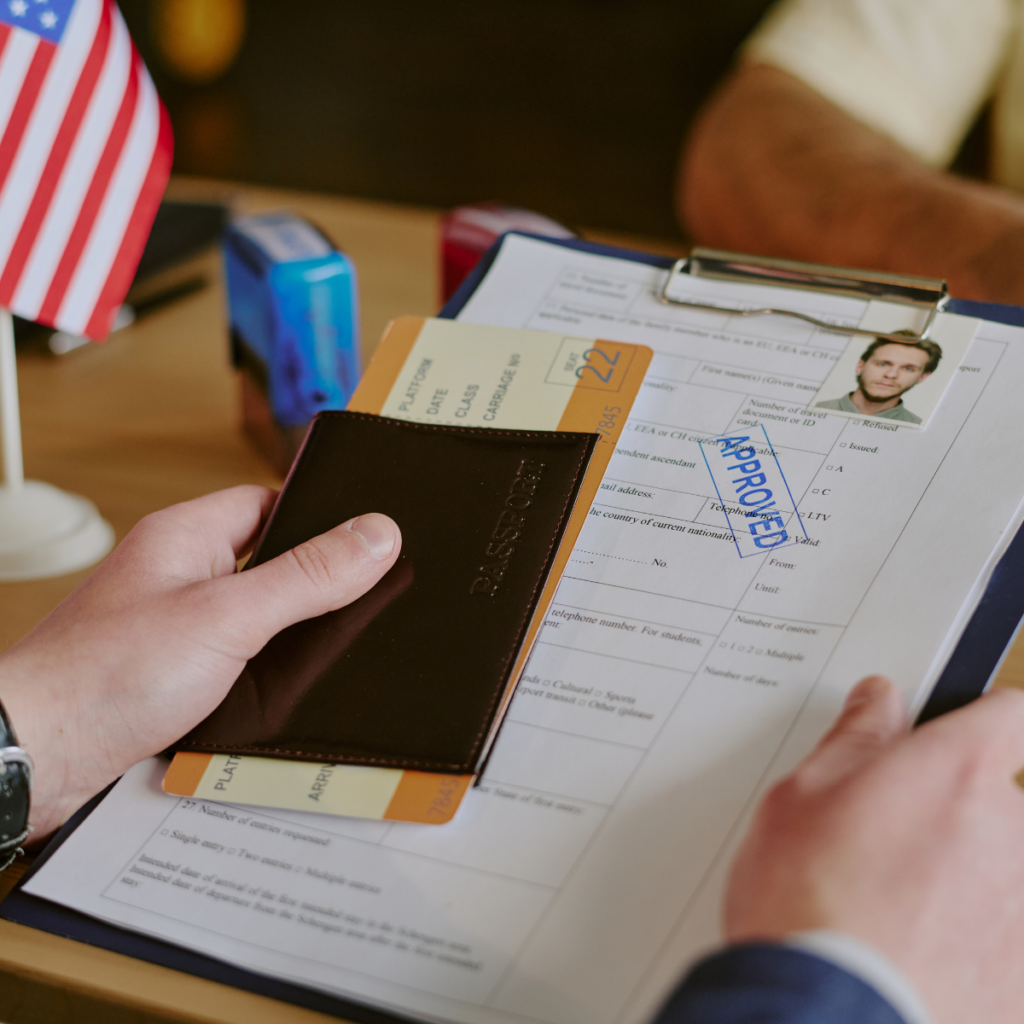
How Do You Choose the Right U.S. Visa?
Choosing the right visa starts with understanding your purpose for coming to the United States. Whether you’re visiting temporarily, studying, accepting a job, investing in a business, or joining family members, each visa category has its own eligibility requirements and application process. An experienced U.S. visa green card lawyer can evaluate your goals and recommend the immigration path that best fits your situation.
Already in the U.S.? You May Need a Visa Extension
A visa gives you permission to enter. But staying legally requires maintaining valid status. If your current visa is expiring, our visa extension lawyers can help you file on time and avoid gaps that could affect your immigration record.
Why Work With a US Visa Attorney?
Filing a visa application on your own is possible. But mistakes on petitions, missing documents, or missed deadlines can result in visa denials, delays, and in some cases, long-term bars from reapplying.
Our attorneys do more than fill out paperwork. We:
- Identify the right visa category for your specific situation
- Prepare your petition with supporting documentation required for USCIS review.
- Communicate with USCIS and the State Department on your behalf
- Attend hearings in person when your case requires it
- Handle complications if a previous application was denied or if there are issues in your background
Selecting the wrong visa category or submitting incomplete documentation can delay your case or result in a denial. Working with an experienced visa lawyer helps ensure your application is prepared correctly from the beginning and that any issues are addressed before they become costly problems.
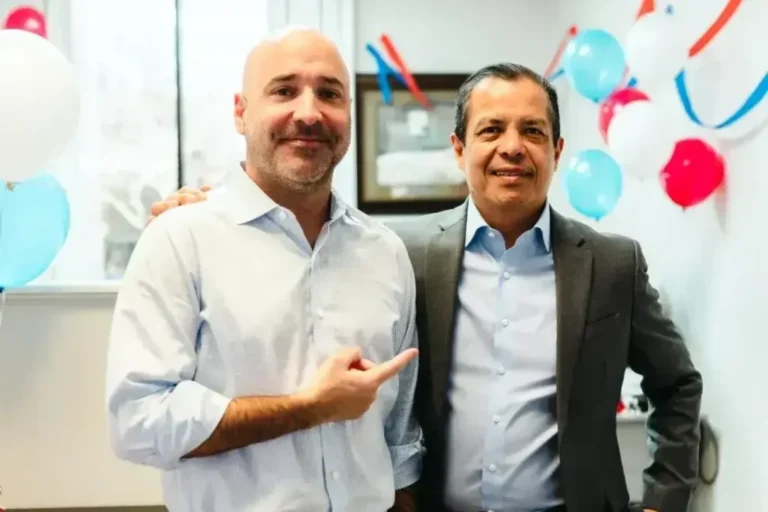
Since 2004, we have helped more than 10,000 clients through complex immigration matters. We serve clients in English and Spanish, with offices across Louisiana and representation available nationwide.
Our Results
Nationwide Immigration Services

Common Reasons Visa Applications Are Delayed or Denied
Applying for a U.S. visa involves more than completing the required forms. Even small mistakes or missing information can delay processing or result in a denial. Understanding the most common issues can help you avoid unnecessary setbacks.
Some of the most common reasons visa applications are delayed or denied include:
- Incomplete applications or missing documentation. Missing forms, financial records, relationship evidence, or supporting documents can prevent USCIS or the U.S. Department of State from approving your application.
- Applying for the wrong visa category. Choosing a visa that does not match your purpose for entering the United States can lead to delays or a denial. Selecting the correct visa type is one of the most important parts of the application process.
- Requests for Additional Evidence. USCIS may issue a Request for Evidence (RFE) if more documentation is needed before making a decision. Responding completely and on time is critical to keeping your application moving forward.
- Prior immigration violations. Previous visa overstays, unauthorized employment, or prior removal proceedings can complicate a new visa application and may require additional legal analysis.
- Criminal history or inadmissibility issues. Certain criminal convictions, immigration violations, health-related grounds, or prior misrepresentations can affect visa eligibility and may require waivers or other forms of relief.
- Missed deadlines or filing errors. Filing the wrong forms, missing important deadlines, or failing to maintain lawful immigration status can create avoidable obstacles during the application process.
Working with an experienced U.S. visa attorney can help identify potential issues before they become major problems. At Rozas Law Firm, we carefully review every application, prepare supporting documentation, and guide clients through each step of the immigration process to help minimize delays and help identify potential issues, prepare accurate documentation, and guide clients through the immigration process.
Why Choose Rozas Law Firm?
Choosing the right immigration attorney can make a meaningful difference in your visa application. At Rozas Law Firm, we’ve helped individuals and families navigate complex immigration matters since 2004, providing personalized guidance through every stage of the process.
When you work with our team, you benefit from:
- Over 20 years of immigration law experience. We have represented clients in a wide range of visa matters, from temporary visitor visas to family-based immigrant visas and employment-based applications.
- More than 10,000 clients served. Our attorneys have helped thousands of individuals and families pursue their immigration goals with knowledgeable legal representation.
- Personalized visa strategies. We take the time to understand your circumstances, explain your options, and recommend the visa category that best fits your goals.
- Comprehensive immigration representation. Whether you’re applying for a visa, responding to a Request for Evidence (RFE), seeking a visa extension, or addressing a prior denial, we can guide you through the process.
- English and Spanish services. Our bilingual team works with clients from diverse backgrounds to help make the immigration process as clear and accessible as possible.
- Nationwide representation. With offices throughout Louisiana and representation available across the United States, we’re ready to assist clients wherever they are in their immigration journey.
At Rozas Law Firm, we understand that obtaining a U.S. visa can have a lasting impact on your future. Our goal is to provide experienced legal guidance, responsive communication, and practical solutions that help you move forward with confidence.


Find a Lawyer for Visas Near You
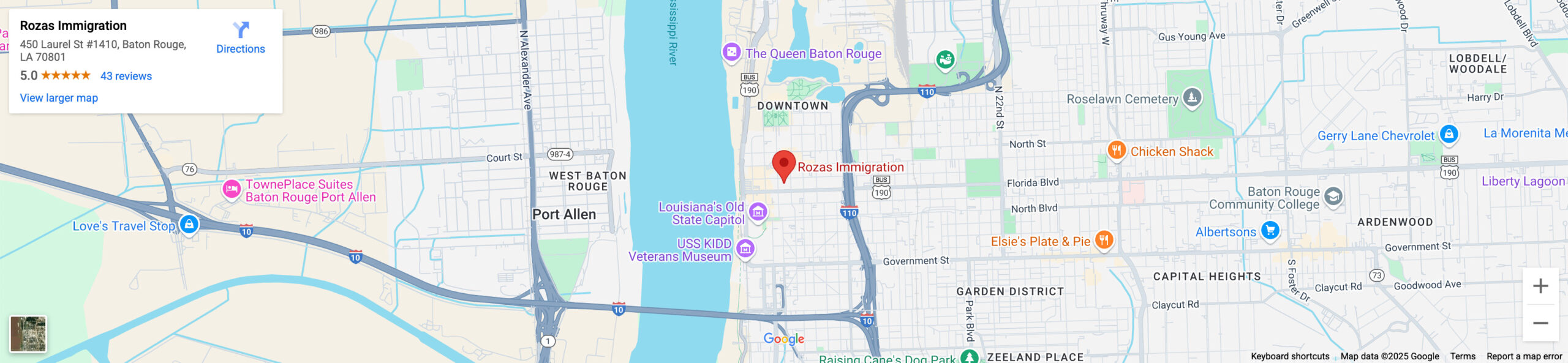
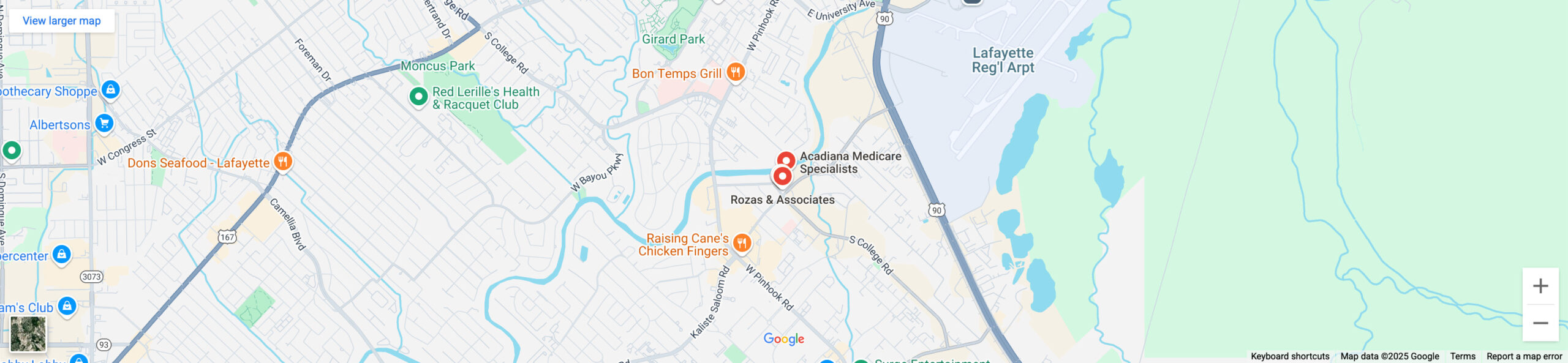
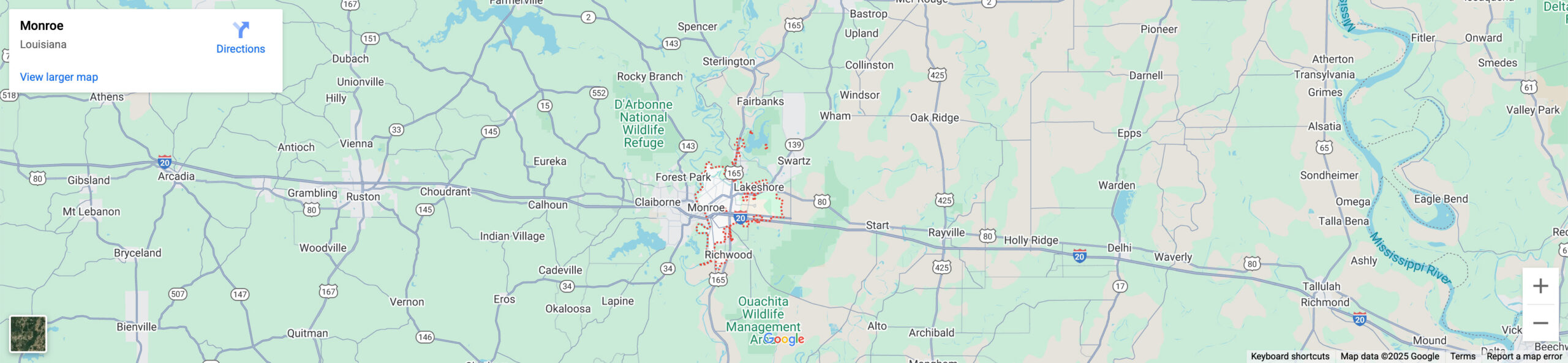
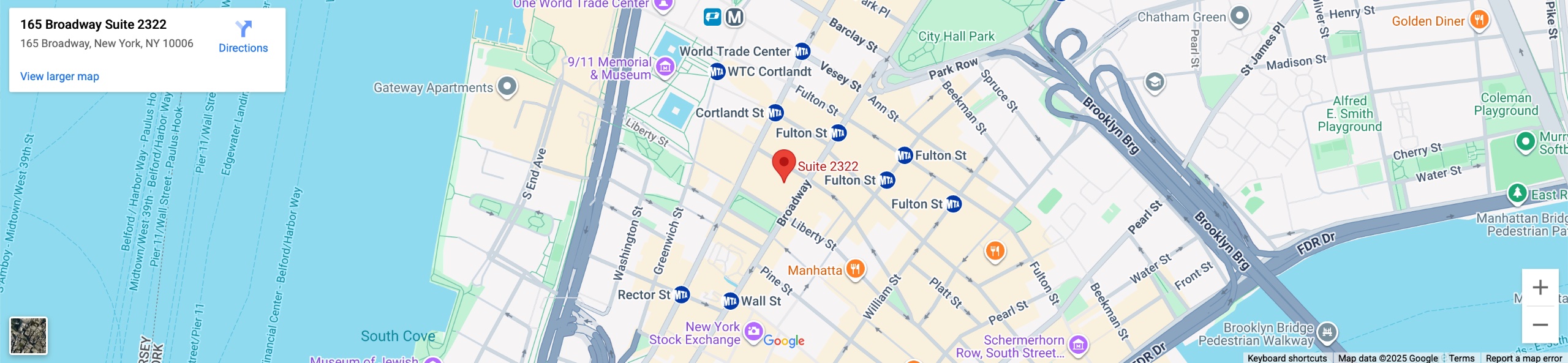
Our offices are located in Baton Rouge, Lafayette, Shreveport, Alexandria, Lake Charles, and Monroe, with additional representation available in New York City and across the country. Whether you’re searching for a U.S. visa lawyer near you, an immigration attorney for family visas, or legal guidance for employment or visitor visas, our team represents clients nationwide.
Call us at 225-341-6945 or schedule a consultation online.
For a full overview of our immigration practice, visit our immigration attorney page.
Frequently Asked Questions
Related Blog Posts