.svg)
Drug Charges in Baton Rouge: Possession, Intent to Distribute, and the Fentanyl Crackdown
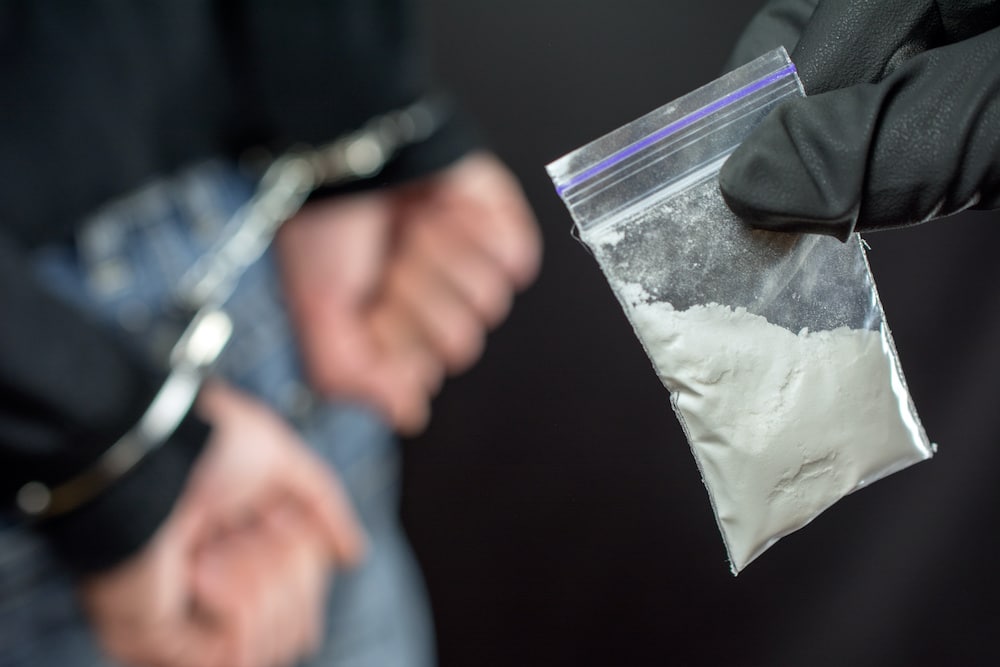
If you were just arrested on a drug charge in Baton Rouge, the first thing you need to understand is this: the charge on your paperwork is a starting point, not a verdict. Prosecutors in East Baton Rouge Parish charge high and negotiate from there. What actually happens to you depends on the drug, the amount, the facts of the stop, and how hard someone pushes back. We have watched cases that looked terrible on day one fall apart once the search got examined. We have also seen people plead guilty to felonies they never should have accepted because nobody explained their options. Every case is different, but the choices you make in the first few weeks matter for years.
How Louisiana Drug Laws Work: La. R.S. 40:966 and 40:967
Louisiana organizes controlled substances into schedules. Schedule I, covered by La. R.S. 40:966, includes heroin and marijuana. Schedule II, covered by La. R.S. 40:967, includes cocaine, methamphetamine, and fentanyl. The statute that applies, and the penalty range attached to it, depends on which schedule the drug falls under and whether the State says you possessed it, possessed it with intent to distribute, or distributed it.
The gap between those categories is enormous. Simple possession of a small amount of marijuana, under 14 grams, is now a misdemeanor punishable by a fine of up to $100 for a first offense. No jail. That change surprised a lot of people, and it means a first-time marijuana possession case should almost never wreck anyone’s life. But do not let that lull you into thinking Louisiana went soft. Distribution of marijuana is still a felony. Possession of cocaine, meth, or heroin in any amount is still serious business. And the moment the State adds the words “with intent to distribute,” you are looking at hard-labor time.
What Turns Simple Possession Into Possession With Intent in Louisiana
Here is what most people do not realize: you can be charged with possession with intent to distribute without ever selling anything to anyone. The State proves intent with circumstances. A digital scale in the car. Empty baggies. Cash in small denominations. Text messages on your phone that a narcotics officer will happily interpret as drug talk. The amount itself matters too, because a prosecutor will argue that nobody holds that much for personal use.
Each of those pieces of so-called evidence has an innocent explanation more often than the State admits. Plenty of people carry cash. Plenty of people who use drugs, and are not dealers, buy in quantity because it is cheaper. A defense lawyer’s job in these cases is to attack the inference at every point, because the difference in sentencing exposure between possession and possession with intent is not small. It can be the difference between probation and a decade in prison. When the evidence of intent is thin, that charge is a bargaining chip, and it should be treated like one.
Fentanyl Charges in Louisiana Carry the Harshest Penalties
Fentanyl is where the Legislature has been swinging hardest. Over the last several sessions, Louisiana has repeatedly enhanced penalties for fentanyl and its analogues under La. R.S. 40:967. Distribution of fentanyl carries lengthy mandatory hard-labor terms, and the ranges climb steeply with weight. Prosecutors in the 19th Judicial District treat these cases differently than any other drug file on their desk, partly because of overdose deaths and partly because the political pressure to hammer fentanyl cases is real.
If your charge involves fentanyl, even a possession charge, do not assume it will be handled like a cocaine case from ten years ago. It will not. Mandatory minimums strip judges of discretion, which means the charging decision itself becomes the whole ballgame. Getting a fentanyl distribution count reduced or challenged early is often the only path to a livable outcome. That takes a lawyer who knows the current version of the statute, because it has changed more than once, and who knows the individual prosecutors handling these cases downtown.
Search and Seizure: Where Baton Rouge Drug Cases Get Won
Most drug cases start with a traffic stop. In Baton Rouge, that often means I-10 or I-12, corridors that law enforcement openly treats as drug pipelines. Officers stop cars for minor violations, then look for a reason to search. Sometimes they ask for consent, and people say yes because they think refusing makes them look guilty. Sometimes they call a dog. Sometimes they claim they smelled something.
Every one of those moves is governed by constitutional rules, and officers break them constantly. Was the stop itself justified? Was it prolonged beyond its purpose to wait on a K-9 unit? Was consent actually voluntary, or was it given by someone boxed in by three units on the shoulder of the interstate? If there was a warrant, was it supported by real probable cause or by boilerplate? When a search fails constitutional muster, the evidence gets suppressed, and a drug case without the drugs is usually a dead case. This is the single most fruitful line of defense in drug prosecutions, and it is why the police report should never be taken at face value.
Drug Court, Diversion, and What a Conviction Really Costs
Not every case should be fought to a jury, and not every client wants that. East Baton Rouge Parish has drug court and pretrial diversion options that, for eligible people, can resolve a charge without a conviction ever hitting the record. Those programs are demanding. They involve testing, treatment, and supervision. But for someone whose real problem is addiction rather than commerce, they can be the difference between a future and a record.
And the record is the point. A drug conviction follows you into job applications, professional license boards, and apartment leases. It can cost you federal student aid. For non-citizens, a drug conviction, sometimes even a plea to a reduced charge, can trigger deportation or block a green card. LSU students picked up near campus rarely think about any of this when they are standing on the sidewalk being handcuffed. They should. So should anyone deciding whether to take a “quick plea” just to get out of East Baton Rouge Parish Prison faster. Short-term relief can carry a long-term price, and you deserve to know the full cost before you sign anything.
If you or someone you love is facing a drug charge in Baton Rouge or the surrounding parishes, call Rozas Law Firm at (225) 341-6945 for a confidential consultation. Our team of skilled criminal defense attorneys is ready to step in immediately, and some of our lawyers bring more than 35 years of criminal defense experience to the fight. We defend drug cases in the 19th Judicial District Court, Baton Rouge City Court, and federal court in the Middle District of Louisiana, and we are available in English and Spanish. Hablamos Español.
This article is for general information only and is not legal advice. Every case is different.