.svg)
The Supreme Court Will Decide Whether ICE Can Hold Longtime Residents Without Bond. What It Means for Families in Louisiana
Current as of October 6, 2026.
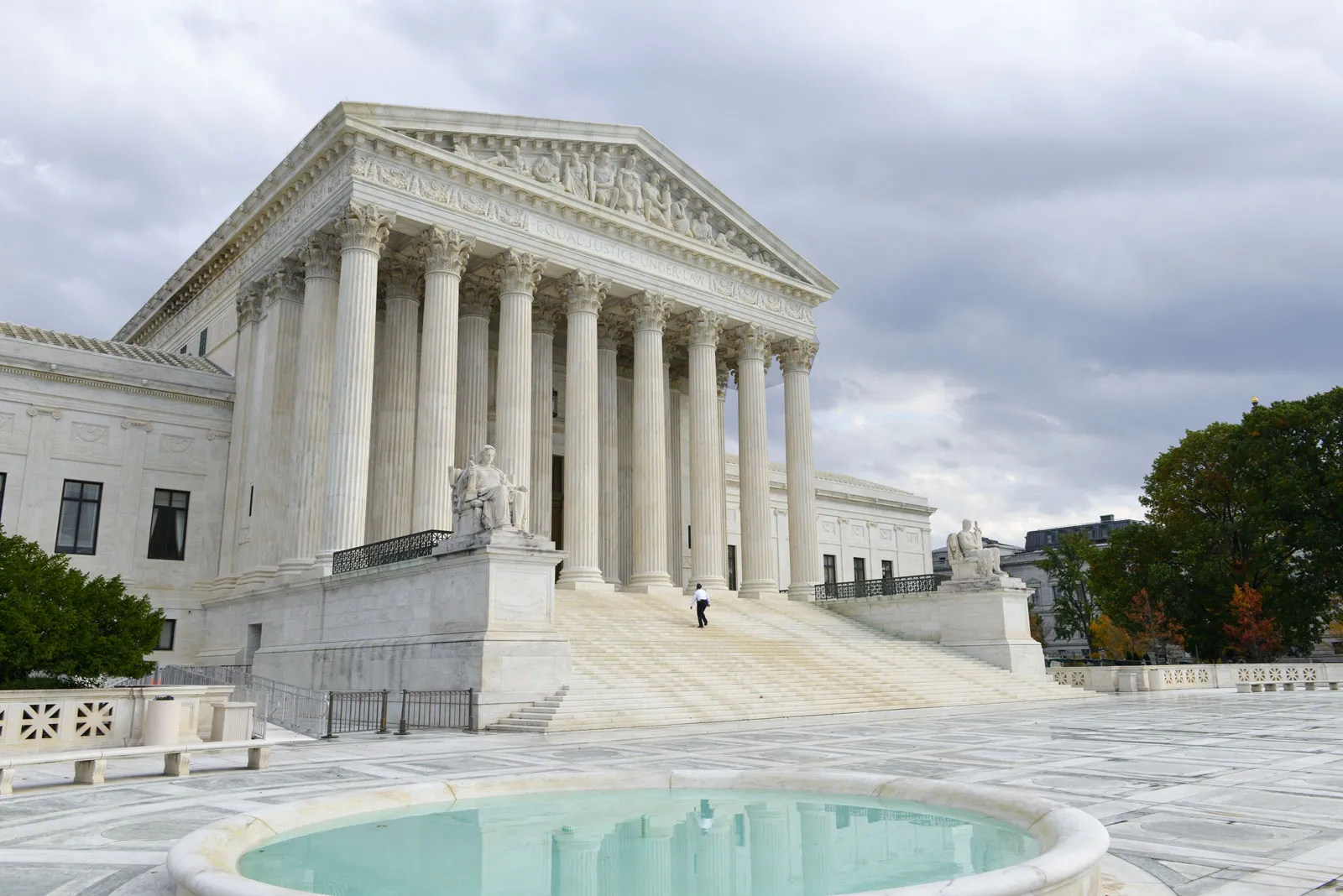
On October 1, 2026, the Supreme Court agreed to decide one of the most important immigration detention questions in a generation: whether ICE can hold people who entered the country without inspection, and who have lived here for years, in detention with no bond hearing at all.
The case is Barbosa da Cunha, No. 26-104. It comes from the Second Circuit in New York. For families in Louisiana, it may be the case that decides whether their loved one comes home before the immigration case ends.
How we got here
For decades, someone who crossed the border without inspection and was later arrested inside the country could ask an immigration judge for bond. In July 2025, ICE changed its policy. It began treating everyone who entered without inspection as an “applicant for admission” subject to mandatory detention under 8 U.S.C. § 1225(b)(2)(A), no matter how many years they had lived here. The Board of Immigration Appeals agreed, and immigration judges stopped holding bond hearings for this group.
Detained people challenged that policy in federal court by filing petitions for habeas corpus. The federal appeals courts split.
The split, and where Louisiana stands
Most federal appeals courts that have ruled rejected ICE’s reading. They held that people arrested inside the country after having entered without inspection and remained here are generally governed by a different statute, 8 U.S.C. § 1226(a), which allows for release on bond.
The Fifth Circuit, which covers Louisiana, Mississippi and Texas, went the other way. In Buenrostro-Mendez v. Blanche, decided on February 6, 2026, it held that people who entered without inspection remain applicants for admission and are subject to mandatory detention under § 1225(b)(2)(A). A petition asking the Supreme Court to review that decision is pending as No. 26-43.
That means that right now, a person held in Jena, Basile, Oakdale, Angola or another Louisiana facility faces Fifth Circuit precedent holding that this statutory argument does not provide eligibility for a bond hearing.
What happens next
The Supreme Court granted review in Barbosa da Cunha on October 1, 2026. The question before the Court is whether 8 U.S.C. § 1225(b)(2)(A) mandates detention pending removal proceedings for people who are present in the United States without having been admitted.
As of October 6, 2026, the Supreme Court has not announced an oral argument date.
The case is expected to be argued during the Court’s current term, with a decision expected by the end of the term. If the Court rejects the government’s interpretation, the Fifth Circuit’s contrary statutory rule would no longer control, potentially restoring access to bond hearings under § 1226(a) for people covered by the decision. If the Court agrees with the government, mandatory detention under § 1225(b)(2)(A) would apply to the category of noncitizens covered by the Court’s ruling.
Does it make sense to file anything while we wait?
Often, yes. The statutory argument is foreclosed in the Fifth Circuit for now, but it can and should be preserved so the person benefits if the Supreme Court rules their way. A separate constitutional argument, that the Due Process Clause limits how long anyone can be held without a hearing, is still being fought in the Fifth Circuit. We explain that fight in our post on the Sosnava Rodriguez rehearing.
There are also cases where mandatory detention should not apply at all. Examples include people who were paroled, people who were previously released on bond, and people whose arrest paperwork lists the wrong statute. Getting the person’s custody classification right is often the first fight.
What families should gather now
- The person’s full name, date of birth and A number.
- Every ICE document, especially the Notice to Appear and any custody papers. The statute ICE cites on those papers matters.
- Proof of how long the person has lived here: leases, tax returns, children’s school records, pay stubs.
- Proof of family and community ties.
Rozas Law files federal habeas petitions for people detained in Louisiana and across the Fifth Circuit, and we handle the immigration court case in the same office. If your family member was told there is no bond, call us at 225 341 6945.