.svg)
Arrested in Baton Rouge? What Happens in the First 72 Hours
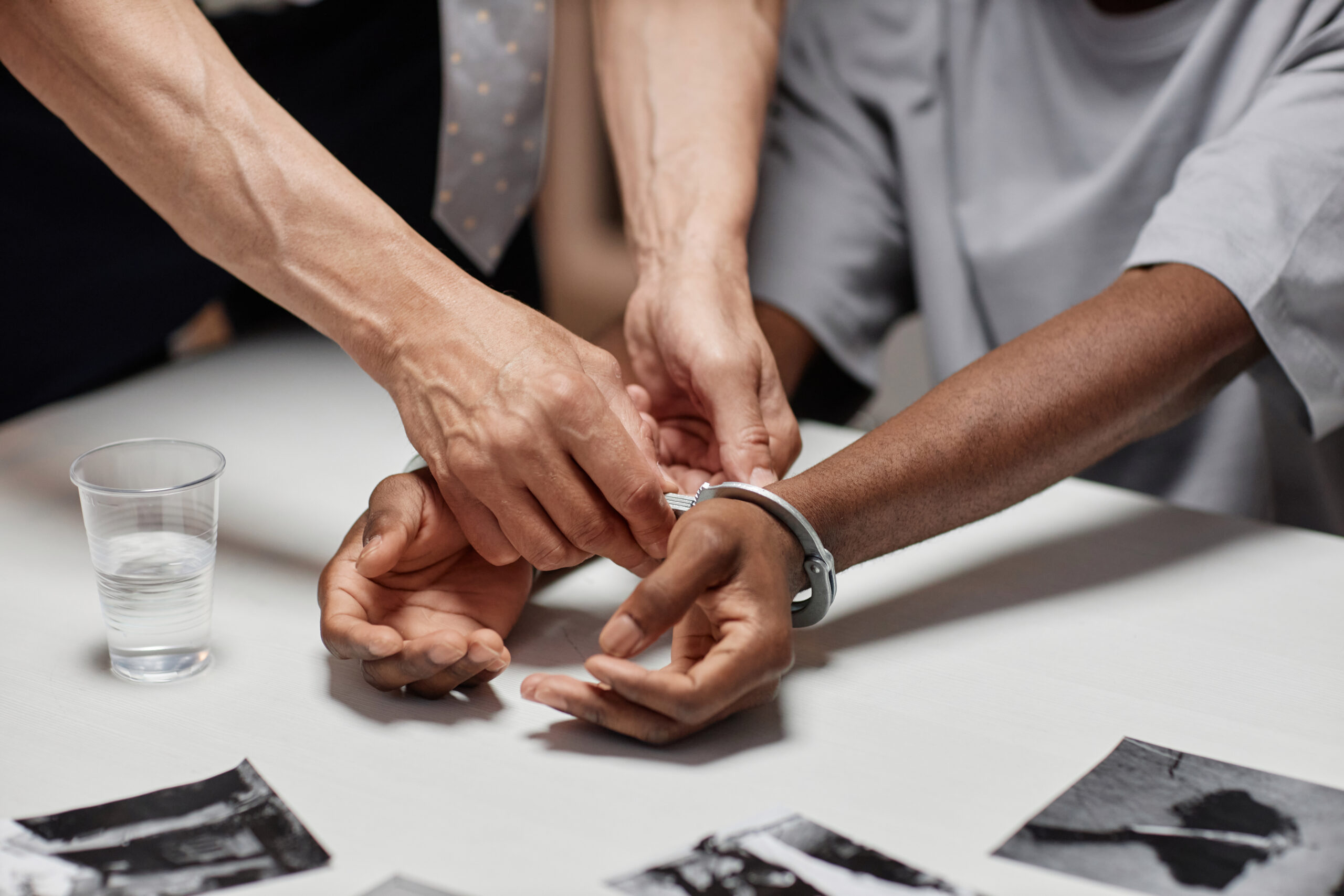
The phone call usually comes at two in the morning. A son, a husband, a girlfriend is in handcuffs after a stop on I-10 or an incident near the LSU campus, and the family wants to know one thing: what happens now? After years of defending people in this city, we can tell you the first 72 hours matter more than most people realize. What gets said, signed, and decided in those three days will shape the entire case.
Here is what actually happens after an arrest in Baton Rouge, and why the order in which you do things, starting with calling a lawyer, changes everything.
Booking at East Baton Rouge Parish Prison
Most people arrested in this parish end up booked at East Baton Rouge Parish Prison. Booking means fingerprints, photographs, a search, and paperwork listing the charges the officer believes apply. Those booking charges are not final. That fact surprises people, and it matters, because the district attorney has not yet decided what to formally charge, or whether to charge anything at all.
While your loved one sits in booking, the clock starts on several deadlines that Louisiana law builds into the process. Understand those deadlines and you understand the case’s early rhythm. Miss them, or sit passively through them, and you give up leverage you never get back.
The 72-Hour Hearing and How Bail Gets Set
Under Louisiana Code of Criminal Procedure article 230.1, a person arrested and held has to be brought before a judge, in person or by video, within 72 hours of arrest, weekends and holidays excluded. At that first appearance the judge advises them of the charges, addresses the right to counsel, and sets bail. In felony cases here, that means a judge of the 19th Judicial District Court, which sits downtown on North Boulevard; lesser matters may run through Baton Rouge City Court.
Bail comes in a few forms. The judge can release someone on their own recognizance, meaning a signature and a promise to appear. The judge can set a cash bond, paid in full and refundable at the end of the case. Most families use a commercial surety, a bail bondsman, who posts the bond for a premium that typically runs around twelve to thirteen percent of the face amount. On a $50,000 bond, that is real money, and you do not get the premium back.
This is the first place a hired lawyer earns their fee. A defense attorney who shows up early can argue for release on recognizance or a lower bond, present the judge with ties to the community, employment, and family support, and file a motion for bond reduction if the initial number is out of reach. We have watched bonds drop dramatically because someone stood up and gave the judge a reason. Nobody does that automatically. Every case is different, and no lawyer can promise a number, but silence at a bail hearing is a guaranteed way to overpay.
Talking to Detectives Is the Biggest Mistake People Make
You have the right to remain silent. Almost nobody uses it. Detectives are good at their jobs, and their job in an interview room is to get a statement that helps the prosecution. They are allowed to suggest that cooperating will make things easier, and people believe it, and they talk, and the case against them gets built out of their own words. The second version of this mistake is consenting to a search of a car, a phone, or a house that officers had no legal basis to search otherwise.
Say this instead: “I want a lawyer.” Then stop. Not one more sentence of explanation, because partial explanations become evidence too.
And know this about the jail: phone calls from East Baton Rouge Parish Prison are recorded. Calls to your attorney are protected, but calls to your mother, your girlfriend, your codefendant are not, and prosecutors pull those recordings routinely. Do not discuss the facts of the case on a jail phone. Ever. Talk about bond, talk about the lawyer, talk about who is feeding the dog. Nothing else.
The DA Has Not Charged You Yet, and That Window Matters
An arrest is an accusation by an officer. A prosecution starts when the East Baton Rouge District Attorney’s office screens the file and files a formal bill of information or obtains an indictment. Louisiana puts time limits on that decision for people sitting in jail: under article 701, a detained defendant must generally be released from custody on that charge if no bill is filed within 45 days on a misdemeanor or 60 days on a felony. The state gets longer if you have bonded out, but the screening window still exists.
That window is an opportunity. A defense lawyer who gets involved in week one can contact the screening prosecutor before the charging decision is made, point out weaknesses, hand over the alibi evidence or the witness statement the police never gathered, and sometimes shape what gets filed, or whether anything gets filed. Evidence also has a shelf life. Surveillance cameras at gas stations and apartment complexes overwrite themselves in days or weeks. Witnesses move, forget, stop answering the phone. The defense investigation that starts in month four begins with whatever scraps are left. The one that starts in week one gets the actual footage.
Public Defender or Hired Criminal Defense Attorney in Baton Rouge
We will be fair here, because we know these lawyers: the public defenders in the 19th JDC include some genuinely skilled trial attorneys. The problem is arithmetic, not talent. Public defender caseloads in Louisiana are heavy, and a lawyer carrying that volume usually cannot visit the jail this week, work the phones with the screening DA, or chase down camera footage before it disappears. You also do not typically get appointed counsel doing much of anything before formal charges, which is exactly the window described above. Hired counsel starts the day you call, picks up federal matters in the U.S. District Court for the Middle District of Louisiana if the case goes that direction, and answers to you alone.
Misdemeanors and felonies move on different tracks, felonies through screening and arraignment in the 19th JDC with motion hearings that can take months, misdemeanors on a faster calendar. On either track, the pattern holds. Early beats late. Silence beats talking. A lawyer in the first 72 hours beats a lawyer at arraignment.
If you or someone you love has been arrested in Baton Rouge or the surrounding parishes, call Rozas Law Firm at (225) 341-6945 for a confidential consultation, available in English and Spanish. Our team of skilled criminal defense attorneys is ready to step in immediately, and it includes lawyers with more than 35 years of criminal defense experience. We defend state charges in the 19th JDC and Baton Rouge City Court and federal charges in the Middle District of Louisiana, and we answer when it is two in the morning and you need us.
This article is for general information only and is not legal advice. Every case is different.