.svg)
Difference Between Citizenship and Naturalization
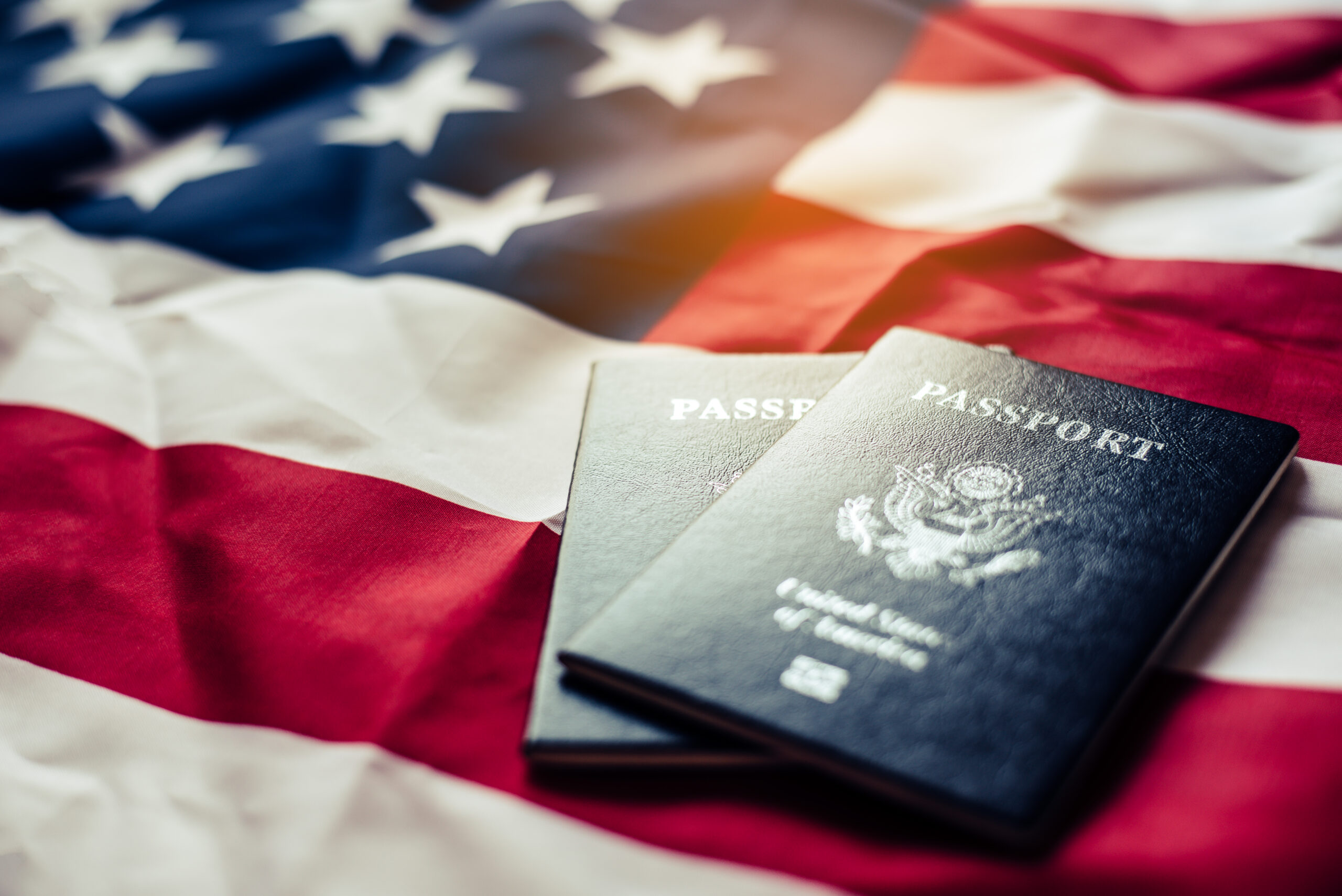
If you’re researching U.S. immigration, you’ve probably seen citizenship and naturalization used like they mean the same thing. They’re closely related—but they’re not identical.
Here’s the simplest way to remember it:
- U.S. citizenship is the legal status you have as a citizen.
- Naturalization is the process that many immigrants complete to get that status.
Understanding the difference helps you avoid confusion about eligibility, timelines, required documents, and what steps come next.
Citizenship Vs Naturalization: What’s the Difference?
The difference between citizenship and naturalization comes down to status vs process.
- Citizenship means you are legally recognized as a U.S. citizen.
- Naturalization is one pathway to becoming a citizen if you weren’t a citizen at birth.
So when people ask, “Is naturalization the same as citizenship?” the most accurate answer is:
Naturalization is a way to obtain citizenship, but citizenship can also be obtained in other ways.
What Is U.S. Citizenship?
U.S. citizenship is a legal relationship with the United States that comes with important rights and responsibilities. Many people pursue citizenship to strengthen long-term security, expand travel options, and gain access to benefits and opportunities that aren’t available to non-citizens.
Depending on your situation, you might already be a citizen, or you may be eligible to become one.
What Is Naturalization?
Naturalization is the legal process that grants U.S. citizenship to eligible non-citizens—most often lawful permanent residents (green card holders).
Naturalization is more than filing paperwork. It typically includes:
- A formal application
- Biometrics (fingerprints/photo)
- An interview
- English and civics testing (unless an exemption applies)
- An oath ceremony
Because it’s a process with strict eligibility rules, even small issues—like travel history, missing documentation, or past legal problems—can lead to delays or denials.
Ways to Become a U.S. Citizen
There are three major ways people become U.S. citizens:
1) Citizenship by Birth
Many people are citizens automatically because they were born in the United States. In these cases, citizenship exists from birth—you do not “apply” for it through naturalization.
2) Citizenship Through Parents
Some people become citizens through one or both U.S. citizen parents, depending on the circumstances. This can apply to individuals born abroad, or to certain children who automatically become citizens after a parent naturalizes.
3) Citizenship Through Naturalization
If you were not a citizen at birth and you don’t qualify through parents, naturalization is often the main route to U.S. citizenship.
If you’re unsure which category applies, that’s one of the most common reasons people seek legal guidance—because the correct pathway affects everything that follows.
Naturalization Requirements for U.S. Citizenship
Naturalization requirements vary depending on your category, but most applicants need to show some combination of the following:
- Age eligibility (commonly 18 or older)
- Lawful permanent resident status (a valid green card)
- Continuous residence in the U.S. for a required period
- Physical presence for a required period
- Good moral character
- Basic English ability (reading, writing, speaking)
- Passing a civics test (unless exempt)
- Willingness to take the Oath of Allegiance
Even if you meet the basics, certain factors can complicate eligibility—like long trips abroad, prior immigration issues, unpaid taxes, or a criminal record.
The Naturalization Process: Step-by-Step Overview
People often search “how to become a U.S. citizen through naturalization” because they want a clear roadmap. While every case is different, the process commonly looks like this:
- Confirm eligibility (including timeline rules and travel history)
- Submit the naturalization application with supporting documents
- Complete biometrics
- Attend the naturalization interview
- Complete English and civics testing (if required)
- Receive a decision or a request for more information
- Attend the oath ceremony (the moment you officially become a U.S. citizen)
This is also where many applicants run into delays—often because of incomplete documentation, mistakes on the application, or issues that require extra review.
Certificate of Citizenship Vs Certificate of Naturalization
A very common search is “certificate of citizenship vs certificate of naturalization”—and for good reason. These documents sound similar, but they serve different purposes.
Certificate of Naturalization
You receive a Certificate of Naturalization when you become a U.S. citizen through the naturalization process. It’s proof you completed the naturalization pathway.
Certificate of Citizenship
A Certificate of Citizenship typically applies to people who are already U.S. citizens through their parents (or certain automatic citizenship situations) but need an official document to prove it.
Key takeaway
- Naturalization certificate = proof you became a citizen through naturalization
- Certificate of citizenship = proof you are a citizen through a non-naturalization route
Naturalization Vs Citizenship: Do Naturalized Citizens Have the Same Rights?
In everyday life, naturalized citizens generally have the same rights and protections as citizens by birth. Once you are a U.S. citizen, you’re a citizen—regardless of how you obtained it.
That said, there are a few narrow differences that can come up in specific legal or government contexts. In addition, naturalization can be challenged in rare cases if the government determines that the person obtained citizenship improperly.
For most people, the practical difference isn’t about rights—it’s about the process and documentation.
When to Talk to an Immigration Lawyer About Citizenship or Naturalization
If your situation is straightforward, you may still want support to avoid mistakes that cause delays. If your situation is more complicated, legal guidance can be critical.
Consider speaking with an immigration lawyer if you have:
- Any criminal history (even old arrests or charges)
- Prior immigration violations or denials
- Long or frequent international travel
- Questions about continuous residence or physical presence
- Complex family circumstances (marriage/divorce timing, name changes, custody issues)
- Concerns about what documents you need to prove citizenship

Written by David Joseph Rozas
David Rozas is an experienced criminal and immigration lawyer and one of the founding partners of Rozas & Rozas Law Firm. He has been with the firm since 2004, joining his brother, Greg in practice. David concentrates his law practice on criminal defense and immigration.