.svg)
Bringing your family to the United States starts with a single document: Form I-130. It sounds straightforward enough. But the petition process is precise, the stakes are high, and one avoidable mistake can delay your case by months or trigger a denial.
At Rozas Immigration Law Firm, our team of family sponsorship lawyers help U.S. citizens and permanent residents file their I-130 petition correctly the first time. We have guided more than 10,000 clients through the U.S. immigration system since 2004, and we are ready to guide you. Call us at 225-341-6945 to schedule a consultation today.
What Is Form I-130?
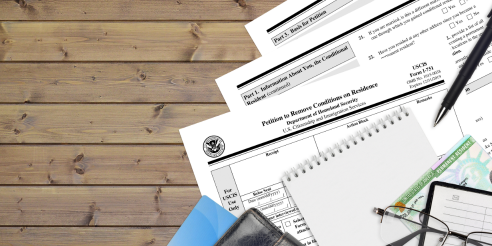
Form I-130, officially called the Petition for Alien Relative, is the document a U.S. citizen or lawful permanent resident files with USCIS to establish a qualifying family relationship with a foreign-born relative. Filing Form I-130 is the first official step in the family-based immigration process and helps that relative apply for a green card and permanent residency in the United States.
It is important to understand what an I-130 does and does not do. The petition proves the family relationship exists. It does not, by itself, grant your relative any immigration status or allow them to enter the U.S. What it does do is open the door, and in many cases, it reserves your relative’s place in line. A lawyer for green card sponsorship can help ensure your petition is properly documented and supported with the evidence USCIS requires
Once USCIS approves the petition, your relative can move forward, either by applying to adjust status here in the U.S. (Form I-485) or by going through consular processing at a U.S. embassy abroad. Learn more about the full range of U.S. immigration visas we handle at Rozas.
Schedule a virtual consultation with an Attorney
Who Can File a Form I-130 Petition?
Both U.S. citizens and lawful permanent residents can file, but the eligible relatives differ for each group.
U.S. citizens may petition for:
- A spouse
- An unmarried child under age 21
- An unmarried son or daughter age 21 or older
- A married son or daughter of any age
- A brother or sister (petitioner must be 21 or older)
- A parent (petitioner must be 21 or older)
Lawful permanent residents (green card holders) may petition for:
- A spouse
- An unmarried child under age 21
- An unmarried son or daughter age 21 or older
The category matters because it affects wait times. Spouses, parents, and unmarried children under 21 of U.S. citizens are considered immediate relatives, meaning a visa is always available. Other family categories fall into a preference system, and wait times can be significant. An experienced Form I-130 immigration lawyer can help you understand which category applies and what to expect at each stage of the process.

Why Should You File Form I-130 With an Attorney?
The form itself may look manageable. But the preparation, documentation, and decision-making behind a successful petition are where things can go wrong.
- Mistakes lead to delays or denials. USCIS may issue a Request for Evidence (RFE) if documentation is incomplete or inconsistent. Worse, a Notice of Intent to Deny (NOID) can put your case in serious jeopardy. Getting the petition right from the start matters.
- Supporting documents must be thorough. Depending on your relationship to the beneficiary, you may need to provide a marriage certificate, birth records, divorce decrees, proof of citizenship or residency, and more. If any documents are unavailable, you need secondary evidence, and knowing what qualifies takes experience.
- Decisions affect what comes next. The I-130 asks you to choose between adjustment of status and consular processing. That choice has real implications for your relative’s timeline, travel, and status during the process. A Form I-130 application lawyer helps you make that call with full information, not guesswork.
- Complications require legal judgment. Prior immigration violations, criminal history, or previous petition denials can complicate your case significantly. These are not issues to navigate alone.
At Rozas Immigration Law Firm, our bilingual immigration attorneys review every detail of your petition before it goes to USCIS. We are your dedicated team for marriage and family visa matters, and we take each case personally.
What Happens After You File I-130?
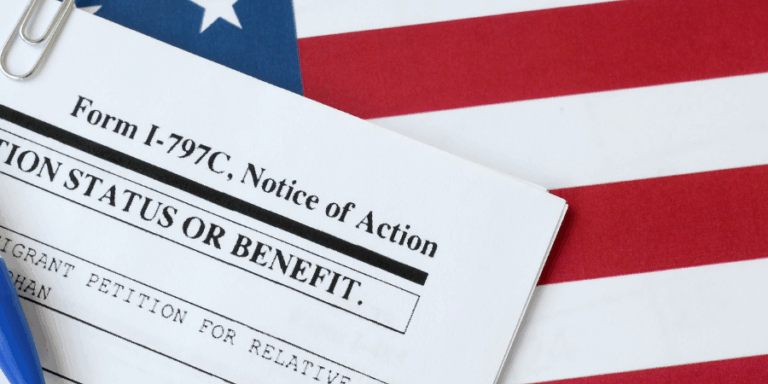
After USCIS receives your I-130, you will get a receipt notice (Form I-797C) confirming your case is in the system. You can use the receipt number to track your case status online.
From there, USCIS will review your petition and issue one of four responses: approval, a Request for Evidence, a Notice of Intent to Deny, or denial. Approval is the goal, and thorough preparation from the start makes it far more likely.
If approved, the next steps depend on where your relative lives:
- In the U.S.: If a visa number is available, they can file Form I-485 to apply for a green card through adjustment of status.
- Outside the U.S.: The case moves to the National Visa Center (NVC), which processes the application before scheduling a consular interview at a U.S. embassy.
Immediate relatives of U.S. citizens move forward right away. Other preference categories must wait until a visa number becomes current before the process can continue.
Our team at Rozas Immigration Law Firm handles every stage, from the initial petition through adjustment of status and consular processing.
Our Results
Nationwide Immigration Services
Why Choose Rozas Immigration Law Firm for Your I-130 Petition?
Families across the United States trust Rozas because we treat every case with the attention it deserves. We do not pass your file off to a paralegal and call it done. Here is what sets our firm apart:
- Bilingual representation. Our attorneys and staff speak English and Spanish, so nothing gets lost in the process.
- Over 20 years of experience. We have been handling immigration cases since 2004 and have helped more than 10,000 clients.
- Nationwide practice. We represent clients across the U.S. and appear in person at hearings. We never represent clients by phone alone.
- Personalized attention. Every case gets a strategy built around your specific family situation and goals.
If you are searching for Form I-130 help, you do not need a local-only firm. You need a firm of family sponsorship attorneys that knows federal immigration law inside and out and treats your family’s future as a priority. That is Rozas Immigration Law Firm.
Ready to Start the Form I-130 Process? We Are Here to Help.
The I-130 petition is the foundation of your family’s immigration journey. Filing it right matters. Our Form I-130 petition lawyers at Rozas Immigration Law Firm are ready to review your situation, explain your options, and guide you through every step of the process.
Call 225-341-6945 today or fill out the consultation form on this page to speak with an experienced family sponsorship immigration attorney. We represent clients across the United States and offer bilingual support in English and Spanish.
The information on this page is provided for general informational purposes only and does not constitute legal advice. Immigration laws and USCIS requirements are subject to change. Please consult with a qualified immigration attorney regarding your specific situation. Filing fees referenced on this page should be verified on USCIS.gov prior to submission, as fees are subject to change.

Frequently Asked Questions
Related Blog Posts