.svg)
You and your spouse want to live together in the United States, not spend months guessing what USCIS expects. The marriage process can feel stressful, especially when each form, trip abroad, or past status issue could affect your case.
A marriage-based green card lawyer helps couples navigate USCIS rules, prepare evidence and file the right forms so a foreign spouse can gain lawful permanent residence in the United States with fewer delays, mistakes and denial risks.
Our experienced immigration attorneys focus on marriage based green card cases across the United States, and we stay current with USCIS policy changes, consular practices, and waiver options that can make or break an application. In this guide, we explain who qualifies, what documents you need, how the process works inside and outside the U.S., and where a lawyer adds real protection and value so you can move forward with clarity and confidence.
Key Points: Marriage-Based Green Card Lawyer
- A marriage green card lawyer helps you confirm eligibility, choose the right path and avoid issues that could lead to delays or denials.
- Strong evidence of a real marriage and a complete, accurate filing are just as important as meeting the basic USCIS requirements.
- Legal help is critical if you have prior visas, overstays, criminal history, waivers, or complex family circumstances, because these can seriously affect your green card outcome.
Schedule a virtual consultation with an Attorney
What Is a Marriage-Based Green Card?
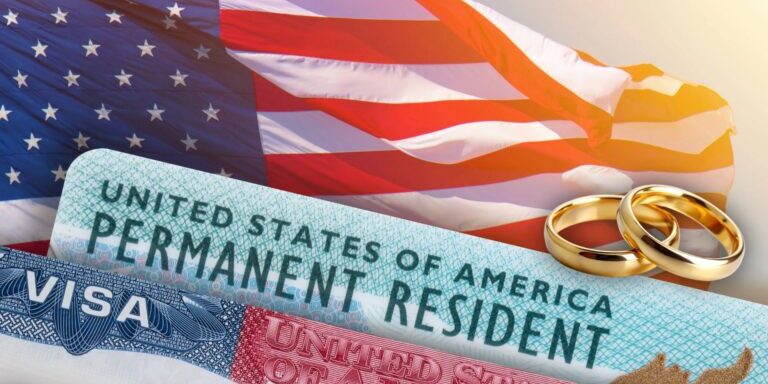
A marriage-based green card gives a foreign spouse the right to live and work in the United States as a lawful permanent resident. USCIS uses this process to confirm that the marriage is legally valid, genuine and not created for immigration benefits. The foreign spouse receives either a CR1 or IR1 green card depending on how long the couple has been married at the time of approval.
If you have been married for less than two years, the spouse receives conditional permanent residency, which lasts for two years. If you have been married for two years or more, the spouse receives a 10-year green card. Depending on eligibility, the process may take place inside the United States through Adjustment of Status or outside the United States through Consular Processing.
A marriage based green card is one of the most trusted family immigration routes in the United States because it leads directly to long-term stability. For many couples, it becomes the first major step toward U.S. citizenship later on.
Who Qualifies for a Green Card Through Marriage?
A foreign spouse may qualify for a green card through marriage when the marriage is legal, genuine, and meets the eligibility rules set by USCIS. Both spouses must also meet background, financial and admissibility requirements. A quick way to understand this is to look at the core qualifications USCIS checks during every case.
You may qualify if:
- One spouse is a U.S. citizen or lawful permanent resident.
- The marriage is legally valid where it was performed.
- The relationship is real, not created for immigration purposes.
- Both spouses are free to marry and have no unresolved prior marriages.
- The U.S. citizen or resident spouse can meet financial sponsorship requirements.
- The foreign spouse is admissible to the United States under immigration law.
Eligibility and processing options may also depend on where the foreign spouse currently lives, their immigration history, and current immigration status. Some spouses already living in the United States may qualify to apply through Adjustment of Status, while others may complete Consular Processing through a U.S. embassy or consulate abroad. Some couples may qualify for a K-1 fiancé visa instead if they plan to marry in the United States first.
A qualified marriage green card lawyer can help confirm eligibility quickly and catch issues that could lead to delays or denials, especially when there are prior visas, overstays, past entries, criminal history or complex family situations.
Documents You Need for a Marriage Based Green Card
A marriage-based green card application succeeds when your documents clearly show identity, financial eligibility, and proof of a real marriage. USCIS expects a full, well-organized packet, and missing even one required item can delay your case. This section gives readers a quick, scannable reference they can use before gathering anything.
Core documents include:
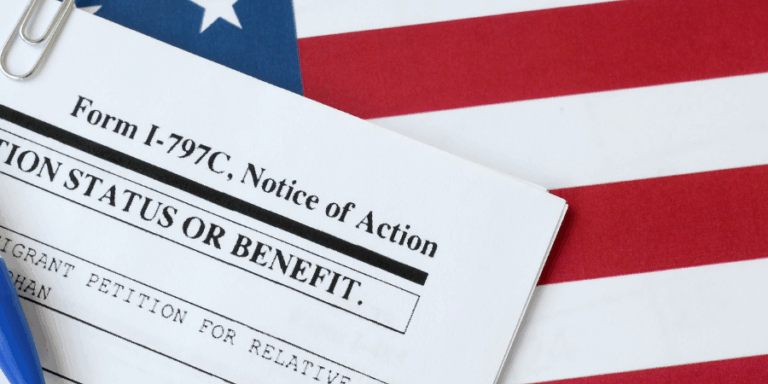
- Form I-130 and supporting evidence for the marriage.
- Form I-485 (for Adjustment of Status cases inside the U.S.).
- Form I-864 Affidavit of Support showing the sponsoring spouse meets income requirements.
- Passport, birth certificate and government-issued ID for the foreign spouse.
- Marriage certificate that is legally valid where it was issued.
- Proof of legal entry such as an I-94 record, visa stamp or travel history (AOS cases).
- Medical exam (Form I-693) completed by a USCIS-approved civil surgeon.
- Police certificates and prior immigration records for consular cases.
- Current and expired passports for travel and identity verification.
USCIS also requires relationship evidence, which can include joint leases, joint bank accounts, photos, shared bills, birth certificates of children, or affidavits from family and friends. The goal is simple. You want to show a clear, consistent record that reflects a real life shared together.
Because USCIS closely reviews marriage-based applications, submitting organized and complete supporting documentation can be extremely important in avoiding delays or Requests for Evidence.

Our Results

Nationwide Immigration Services

How a Marriage Green Card Lawyer Helps Your Case
A marriage green card lawyer is more than someone who fills out forms. The right legal help protects couples from errors, anticipates USCIS concerns and organizes evidence in a way that makes your case easier to approve. This support becomes especially important for couples with prior visas, overstays, criminal records or international marriages.
Here are key areas where legal guidance makes a real difference:
- Building a strong evidence file that clearly proves the relationship is genuine.
- Spotting issues early, especially around income, prior marriages, status problems or travel history.
- Preparing you for the USCIS interview, including common questions and red flags officers look for.
- Managing complex cases such as waivers, consular delays, international divorces or previous petitions.
- Coordinating filings when spouses live in different countries or must choose between AOS and consular processing.
- Avoiding delays, especially RFEs, missing documents and mistakes that can add months to your timeline.
For many couples, having an attorney simply brings peace of mind. The process becomes clearer and more predictable when someone experienced is guiding each step, preparing documents and being available when issues come up.
Common Marriage Green Card Delays, Mistakes, and Red Flags to Avoid
A marriage based green card is straightforward when everything is correct, but small errors can lead to long delays or even denials. USCIS officers look closely at the quality of your evidence, the accuracy of your forms and any history that could affect admissibility. Knowing the common pitfalls helps couples avoid preventable problems.
The most frequent delays include:
- Missing or incomplete forms, especially the I-130, I-485 or Affidavit of Support.
- Insufficient relationship evidence, such as gaps in photos or financial ties.
- Income problems, including outdated tax returns or missing sponsor documents.
- Inconsistent answers between spouses at the interview.
- Travel issues, like unreported trips or confusion about entries and exits.
- Medical exam errors, especially if the form is outdated or incomplete.
USCIS also watches for red flags such as marriages shortly after divorce, big age differences, limited shared financial history, or very short relationships. These factors do not mean denial, but they can increase scrutiny. A marriage green card lawyer helps couples prepare stronger evidence and get ahead of concerns before they become problems.

Get Trusted Marriage-Based Green Card Help Today
A marriage based green card is one of the most meaningful steps a couple can take, but the process can feel overwhelming without clear guidance. Our team understands the evidence USCIS expects, how interviews work and where small mistakes can create long delays. We help couples organize their documents, solve eligibility questions and move through the process with confidence.
If you and your spouse need support, Rozas Immigration Law Firm is ready to help you every step of the way. Use the links below to explore your options or start your case today:
Your next step is simple. Reach out to our team and take the first step toward securing your future together in the United States.
Frequently Asked Questions
Related Blog Posts