.svg)
The 10-Year Lookback: How Louisiana Counts Your Prior DWIs
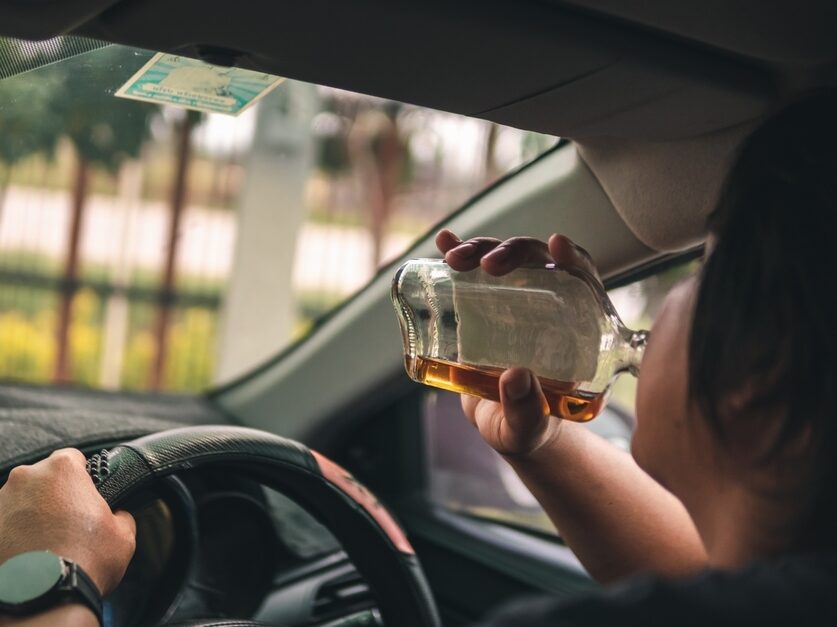
Before anything else, understand the lookback window. Louisiana counts prior DWI convictions within ten years when deciding whether your new arrest is a second, third, or fourth offense. That window generally excludes time you spent incarcerated, so it can stretch further back than people expect. A guilty plea you entered in Baton Rouge City Court in 2018, maybe on a quick plea deal that seemed harmless at the time, can be the thing that turns your 2026 arrest into a felony.
This is also where defense work starts. Prior convictions have to be valid to count. If an old plea was taken without a lawyer, without a proper waiver of rights, or in a way the record cannot support, we may be able to attack it and knock the current charge down a level. That single fight can be the difference between a misdemeanor and a felony. Every case is different, but the priors are never something to just accept at face value.
Second Offense DWI: Still a Misdemeanor, but Jail Is Mandatory
A second offense DWI in Louisiana is still a misdemeanor, and that is about the only good news. The penalty range is a fine of $750 to $1,000 and jail of 30 days to six months. At least 48 hours of that jail time is mandatory. It cannot be suspended. Judges in East Baton Rouge Parish handle these dockets every week, and they have limited room to be generous even when they want to be.
There is more riding on a second offense than the sentence itself. You are now one arrest away from a felony. Prosecutors know it, and so should you. How a second offense resolves, what it pleads to, and what the record says can matter enormously ten years down the road on the I-10 or I-12 corridor when blue lights come on again.
Third Offense DWI in Baton Rouge: Crossing the Felony Line
Third offense is where Louisiana stops playing. A third offense DWI is a felony carrying a $2,000 fine and one to five years, with or without hard labor. At least one year of that sentence must be served without suspension unless the court routes you through a treatment-based alternative, such as drug court or a substance abuse program the statute recognizes. That treatment track is not a loophole. It is a structured, supervised, drug-tested grind. But it can keep you out of a hard-labor sentence, and in East Baton Rouge Parish, sobriety court exists for exactly this kind of case.
A felony conviction follows you far beyond the sentence. It affects gun rights, professional licenses, commercial driving, immigration status for non-citizens, and every job application that asks the felony question. If you work in the plants, drive for a living, or hold any kind of state license, a third offense DWI threatens all of it. Vehicle seizure is also on the table for repeat offenders, which surprises people. Yes, the state can go after the truck.
Enhancements stack on top. A blood alcohol concentration of 0.15 or higher triggers additional mandatory jail time that cannot be suspended. Having a child under 12 in the vehicle brings its own enhancement and, frankly, changes how prosecutors and judges look at the whole file.
Fourth Offense and the 2026 Law Changes You Need to Know
Fourth or subsequent offense DWI is a felony with a $5,000 fine and 10 to 30 years at hard labor, with a mandatory minimum of two years without suspension. Read that range again. Ten to thirty years. People sit in East Baton Rouge Parish Prison awaiting trial on fourth-offense charges facing more time than some violent offenders.
The Legislature made things tougher in 2026. Act 117 enhanced penalties for repeat DWI offenders who have prior convictions for vehicular homicide or vehicular negligent injuring, so a bad history now compounds faster. Act 723, known as Jada’s Law, lets agencies hold DWI arrestees until they can be safely released rather than booking and bonding them straight back out. And the statutes now speak of driving while “impaired” alongside “intoxicated,” language that reaches drug impairment, prescription medication, and combinations of substances, not just alcohol. If you assumed DWI law only cared about the breathalyzer number, that assumption is out of date.
How a Repeat DWI Lawyer Actually Fights These Cases
A felony DWI charge is not a felony DWI conviction. The state still has to prove its case, and repeat-offense files have the same weak points as any other DWI, sometimes more, because the stakes push everyone to look harder.
The stop comes first. If the officer did not have a lawful reason to pull you over, everything that followed can be suppressed. Field sobriety tests come next; they are supposed to be administered under standardized procedures, and roadside video frequently shows they were not. Then there is the machine. Breath-testing instruments require certification, maintenance, and proper operation, and the maintenance records are discoverable. We have seen cases shift because the paperwork behind the machine could not hold up.
And when the evidence is strong, the fight becomes about the outcome: attacking priors, negotiating the charge level, and building a genuine case for the treatment track instead of hard labor. Judges respond to defendants who get into treatment early and show up ready to prove it. That takes preparation, not luck. No lawyer can promise you a result, but the difference between a prepared defense and a plea taken at first appearance is real, and on a third or fourth offense it can be measured in years.
If you or someone you love is facing a second, third, or fourth offense DWI in Baton Rouge or the surrounding parishes, call Rozas Law Firm at (225) 341-6945 for a confidential consultation. Our team of skilled criminal defense attorneys is ready to step in immediately, and several of our lawyers bring more than 35 years of criminal defense experience to these cases. We handle repeat DWI cases in the 19th JDC, Baton Rouge City Court, and courts across Ascension, Livingston, and West Baton Rouge parishes, and we are available in English and Spanish. Se habla Español.
This article is for general information only and is not legal advice. Every case is different.