.svg)
How to Get a Green Card for Your Parents: Hire an IR-5 Visa Lawyer
Bring your parents home for good. If you’re a U.S. citizen over 21, we can help you get a green card for your mom or dad so they can live, work, and build their future here with you. No visa caps, no waiting lists—just a clear path forward when you work with experienced United States immigration attorneys who speak your language.
Schedule a virtual consultation with an Attorney
What Is a Green Card for Parents?
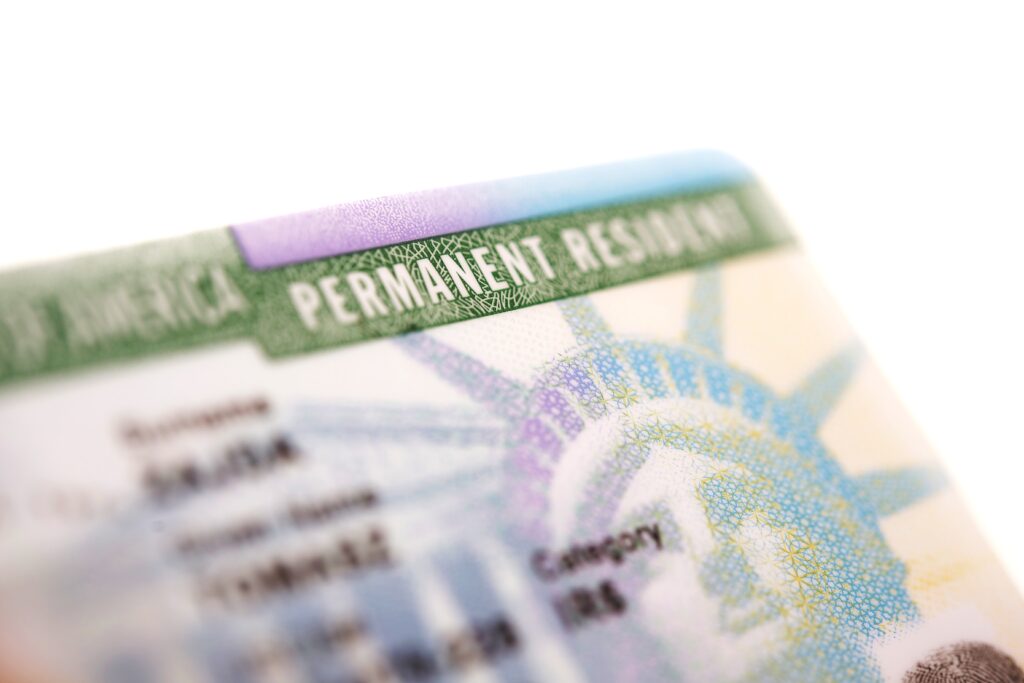
A green card for parents, officially called an IR-5 visa, lets your mom or dad become a permanent resident of the United States. This isn’t a temporary visit. Your parent gets the legal right to live here permanently, work without restrictions, and eventually apply for U.S. citizenship after five years.
The IR-5 visa falls under the “immediate relative” category. That status matters because there’s no annual cap on how many parent green cards USCIS can approve. Other family-based visas have strict yearly limits that create waiting periods of several years. Your parent doesn’t face those delays.
Once we file your petition and USCIS approves it, your parent can move forward right away. The process typically takes 8 to 14 months from start to finish.
Your parent’s green card lasts 10 years and can be renewed indefinitely. As a permanent resident, they can live anywhere in the United States, work for any employer, travel freely, sponsor their own spouse and unmarried children under 21, and apply for U.S. citizenship after five years of continuous residence.
We help families navigate this process every day. Most of our clients across the United States come from Honduras, Mexico, Guatemala, and other Latin American countries where family unity drives every major decision. We understand that bringing your parents here isn’t just about paperwork. It’s about keeping your family whole.
Who Can Sponsor Their Parents for a Green Card?
Not everyone qualifies to sponsor their parents. U.S. immigration law sets specific requirements for both you as the sponsor and your parent as the applicant.
You must meet these requirements as the sponsor:
- You have to be a U.S. citizen, not just a green card holder. Lawful permanent residents cannot petition for their parents. You must be at least 21 years old. You need to prove the parent-child relationship with official documents like your birth certificate. For adopted parents, you’ll need adoption papers showing the adoption was finalized before you turned 16.
- You must meet income requirements of 125% of federal poverty guidelines. For 2024, that means a household of two needs at least $24,650 annually. The amount increases with each additional family member.
Your parent must meet these requirements:
They must be your biological parent or legal adoptive parent. Stepparents qualify only if they married your biological parent before you turned 18. They cannot have serious criminal convictions or immigration violations that would make them inadmissible. They must pass a medical examination by a USCIS-approved physician.
If you don’t meet the income requirement yourself, you have options. A joint sponsor can help you meet the threshold. You can also use assets like cash, stocks, or property, though USCIS values assets at only one-fifth of their total worth.
You can sponsor both parents separately. Each parent needs their own I-130 petition, fees, and supporting documents.
We help families figure out if they qualify before filing anything. Many of our clients worry they don’t make enough money or that old immigration issues will block their parent’s application. Often, solutions exist through joint sponsors, waiver applications, or updated documentation. Read our “Guide to Family Sponsorship” blog to get more information.
How to Get a Green Card for Your Parents: Step-by-Step
The parent green card process involves several stages. The exact steps depend on whether your parent lives outside the United States or is already here legally.
For parents living outside the U.S. (Consular Processing):
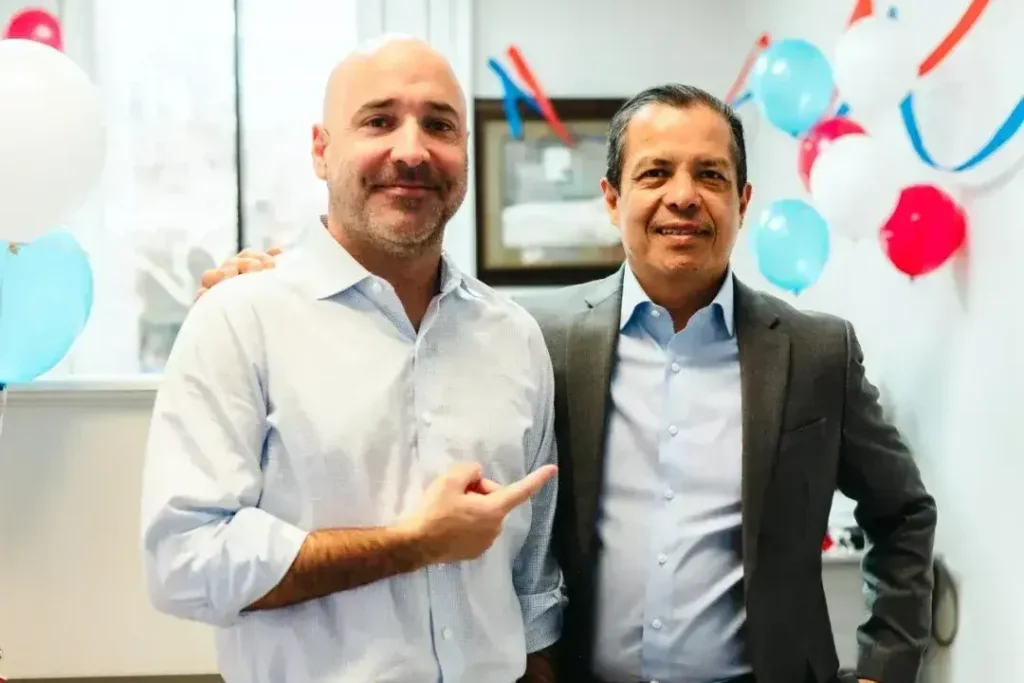
Step 1: File Form I-130 with USCIS. We submit the Petition for Alien Relative along with proof of your U.S. citizenship, your parent’s birth certificate, and evidence of your relationship. USCIS reviews the petition and typically approves it within several months.
Step 2: National Visa Center (NVC) processing. After USCIS approval, your case transfers to the NVC. Your parent completes Form DS-260 online and submits civil documents like police certificates, birth certificates, and passport copies. We help gather everything the NVC requires.
Step 3: Medical examination. Your parent schedules an exam with a USCIS-approved physician in their home country. The exam includes vaccinations and health screenings. Keep the sealed medical results—your parent brings them to the visa interview unopened.
Step 4: Visa interview at U.S. Embassy or Consulate. Your parent attends an interview where a consular officer reviews their application and asks questions about their background. We prepare clients for common questions and what documentation to bring.
Step 5: Entry to the United States. If approved, your parent receives a sealed visa packet. They enter the U.S. with this packet, and Customs officers process them as a new permanent resident. The physical green card arrives by mail within a few weeks.
For parents already in the U.S. (Adjustment of Status):
If your parent entered legally and maintains lawful status, they might qualify to adjust status without leaving the country. This process uses Form I-485 instead of consular processing. We file the I-130 and I-485 together, your parent completes a medical exam with a U.S.-approved doctor, and they attend a USCIS interview. They can receive work authorization while the case is pending.
Not everyone qualifies for adjustment of status. Some situations require consular processing even if your parent is in the U.S. We evaluate your specific circumstances to determine the best path.
How Long Does a Parent Green Card Take?
Processing times for parent green cards typically range from 8 to 14 months, though individual cases vary based on USCIS workload and where your parent applies.
The IR-5 visa moves faster than other family-based visas because it’s not subject to annual caps. Family preference categories often have waiting periods of several years before a visa number becomes available. Your parent’s case can proceed immediately after approval.
What affects your timeline:
USCIS processing volumes change throughout the year. Some service centers move faster than others. The completeness and accuracy of your application matters—missing documents or errors trigger Requests for Evidence (RFE) that add months to your case.
Background checks and security clearances take time, especially if your parent lived in multiple countries. The specific U.S. Embassy or Consulate handling the case also impacts speed. Some locations schedule interviews faster than others.
Incomplete applications cause the most delays. Missing documents, incorrect forms, or insufficient financial evidence can add months to your timeline. We make sure every detail is right the first time.
Current processing times by stage:
- I-130 petition approval: 4 to 8 months
- NVC processing: 2 to 4 months
- Interview scheduling: 1 to 3 months (varies by embassy)
- Green card production after approval: 2 to 4 weeks
These are estimates based on current USCIS data. Your case might move faster or slower depending on individual circumstances. We track your case through every stage and update you when milestones are reached.
If your parent is already in the U.S. and qualifies for adjustment of status, the timeline is often shorter because you skip consular processing. However, USCIS interview wait times for adjustment cases can vary significantly by field office location.

Our Results

Nationwide Immigration Services

What Does a Parent Green Card Cost?
The parent green card application involves several mandatory fees that you’ll pay at different stages of the process. Total costs typically range from $1,500 to $2,500 per parent, not including attorney fees.
Required government fees:
- I-130 filing fee: $535
- DS-260 immigrant visa application fee: $325 (for consular processing)
- Affidavit of Support fee: $120
- USCIS immigrant fee: $235 (paid after visa approval, before green card production)
Additional costs you should plan for:
Medical examinations vary by country and doctor but typically cost $200 to $500. You’ll need certified translations for any documents not in English, usually $20 to $50 per page. Civil documents like birth certificates or police clearance certificates have their own fees that vary by country.
If you’re sponsoring both parents, you’ll pay most fees twice since each needs their own application. The only exception is that you file one Affidavit of Support that covers both parents if they’re married to each other.
Payment timing matters. You don’t pay everything upfront. The I-130 fee gets paid when we file your petition. The DS-260 and other fees come later, after USCIS approves the petition. This spreads costs across several months.
Some families need joint sponsors if the petitioner doesn’t meet income requirements alone. The joint sponsor doesn’t pay additional government fees, but they take on legal financial responsibility for your parent.
We give you exact cost breakdowns during your consultation so there are no surprises. Many of our clients work hourly jobs and need to budget carefully. We respect that and make sure you know what to expect before we start.
Common Problems with Parent Green Card Applications
Parent green card cases can get complicated. These are issues we handle regularly for families:
- Insufficient income is the most common obstacle. If your household income falls below 125% of poverty guidelines, USCIS won’t approve your Affidavit of Support. Solutions include finding a joint sponsor (a U.S. citizen or green card holder who meets the income requirement independently) or using assets like savings, property, or investments to supplement your income.
- Adoption cases need extra documentation. If you’re sponsoring an adoptive parent, USCIS requires proof that the adoption was legal and finalized before you turned 16. Some countries have incomplete adoption records. We help track down provincial or state documents that prove the adoption relationship.
- Prior immigration violations create problems. If your parent overstayed a visa, entered without inspection, or has a prior deportation order, they might be inadmissible. Depending on the situation, waivers might be available. We assess whether your parent qualifies for a waiver and what evidence USCIS needs to approve it.
- Criminal history doesn’t automatically disqualify your parent, but certain convictions bar entry to the U.S. We review police certificates and court records to determine if crimes are minor enough to overlook or serious enough to need a waiver. Not all crimes are treated equally under immigration law.
- Document issues slow cases down. Missing birth certificates, name discrepancies between documents, or records in foreign languages all create delays. We know how to obtain replacement documents from Honduras, Mexico, Guatemala, and other countries where our clients’ parents live. We also work with certified translators who meet USCIS requirements.
- Public charge concerns worry many families. Some clients fear that applying for their parent will hurt their own immigration status or that their parent using healthcare will cause problems. Current rules don’t penalize you for sponsoring family members, and use of Medicaid, SNAP, or other benefits by you or your U.S. citizen children doesn’t affect your parent’s green card.
- Interview preparation prevents problems. Consular officers ask questions about your relationship, your parent’s background, and sometimes your finances. We prepare your parent for common questions and review what documents they need to bring. Being prepared reduces stress and improves approval chances.
We’ve seen families assume their case is hopeless because of one complication. Often, solutions exist that they didn’t know about. That’s why we review every detail during consultations before deciding whether to move forward.


Get Started with Your Parent Green Card Application Today
Bringing your parents to the United States permanently is one of the most important decisions you’ll make for your family. The IR-5 visa makes it possible for them to live with you, work without restriction, and eventually become U.S. citizens.
Don’t wait to start the process. Every day counts when you’re separated from the people who raised you. The sooner we file your petition, the sooner your parents can join you.
We make the parent green card process straightforward. Since 2004, we’ve helped more than 10,000 families navigate U.S. immigration law. We know exactly what USCIS expects, how to prevent costly mistakes, and how to handle complicated situations that would stop most people in their tracks.
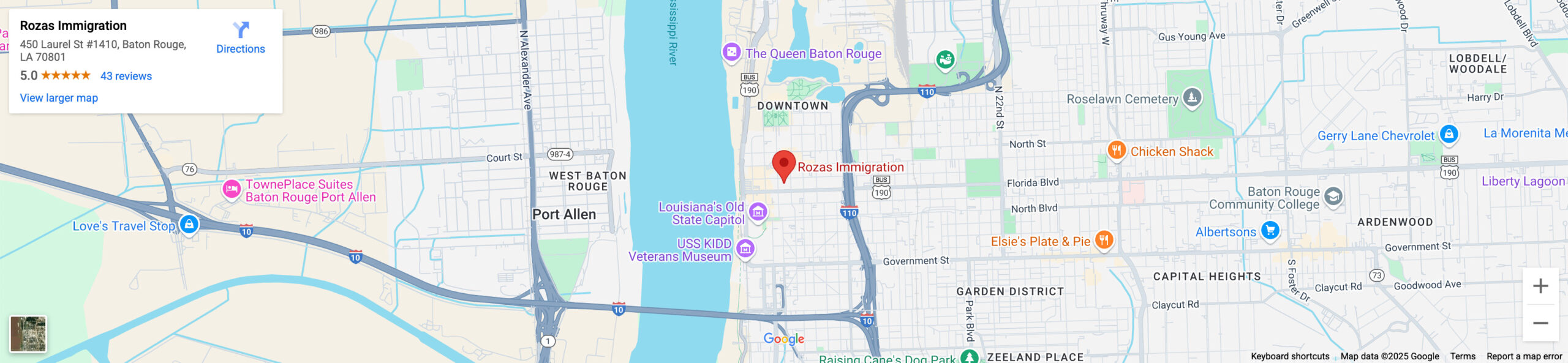
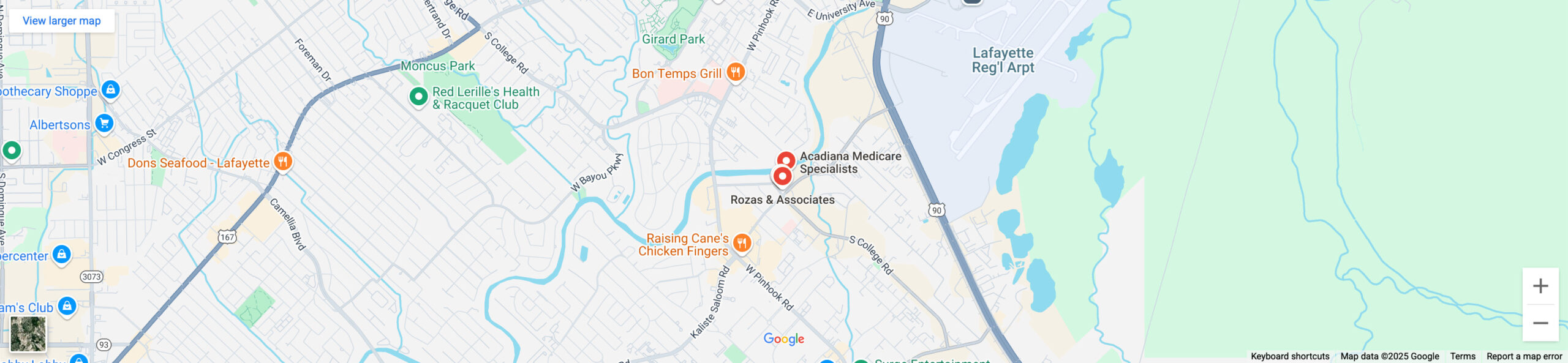
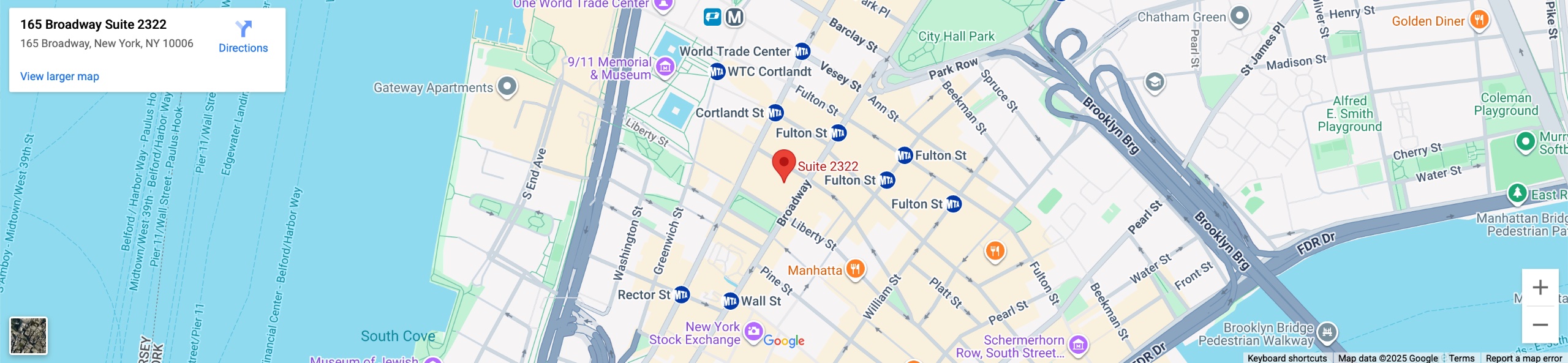
Our bilingual team speaks Spanish and English fluently, so your parents can understand every step of their case. We serve families throughout Louisiana—Baton Rouge, Lafayette, Alexandria, Lake Charles, Monroe, and Shreveport—but we handle immigration cases nationwide. Whether your parent lives in Honduras, Mexico, Guatemala, or anywhere else, we can help.
We’ve represented clients in immigration courts across the United States. We understand Louisiana’s immigration landscape, what local USCIS offices expect, and how to navigate the system efficiently. That experience matters when strategy and timing decisions affect your family’s future.
You don’t have to figure this out alone. Parent green card applications involve multiple government agencies, strict deadlines, and complex requirements. One missing document or incorrect form can delay your case by months. We handle the paperwork, track the deadlines, and communicate with USCIS so you can focus on your job and your family.
Call us at (225) 341-6945 or schedule a consultation through our website. We’ll review your situation, explain your options, and start working on your parent’s green card application right away.
At Rozas Law Firm, we fight for families. Let us help you bring yours together.
Frequently Asked Questions
Related Blog Posts


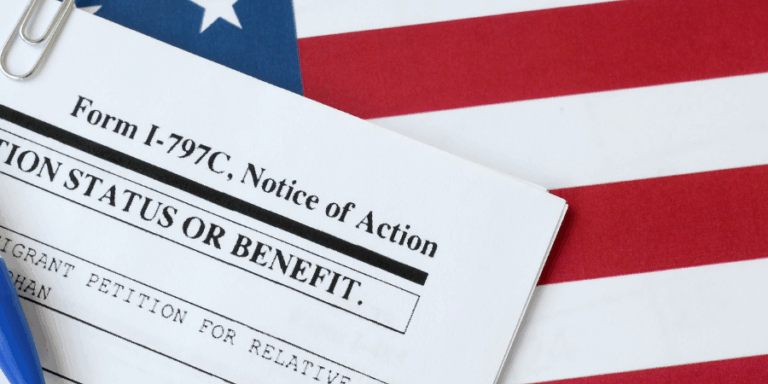






Meet David Rozas - Your United States Immigration Attorney
Meet David, your trusted U.S. immigration attorney at Rozas Immigration, for dedicated assistance throughout your immigration process. With years of experience in U.S. immigration law, David provides personalized legal guidance tailored to your specific needs. Whether you need help with family-based petitions, employment visas, or green card applications, David’s thorough knowledge of immigration laws ensures your case is handled with care and professionalism.
Schedule a consultation below or call us at 225-341-6945 today to begin your journey with a reliable U.S. immigration attorney by your side.