.svg)
The Detective Just Called and Asked You to Come In. Call a Lawyer First
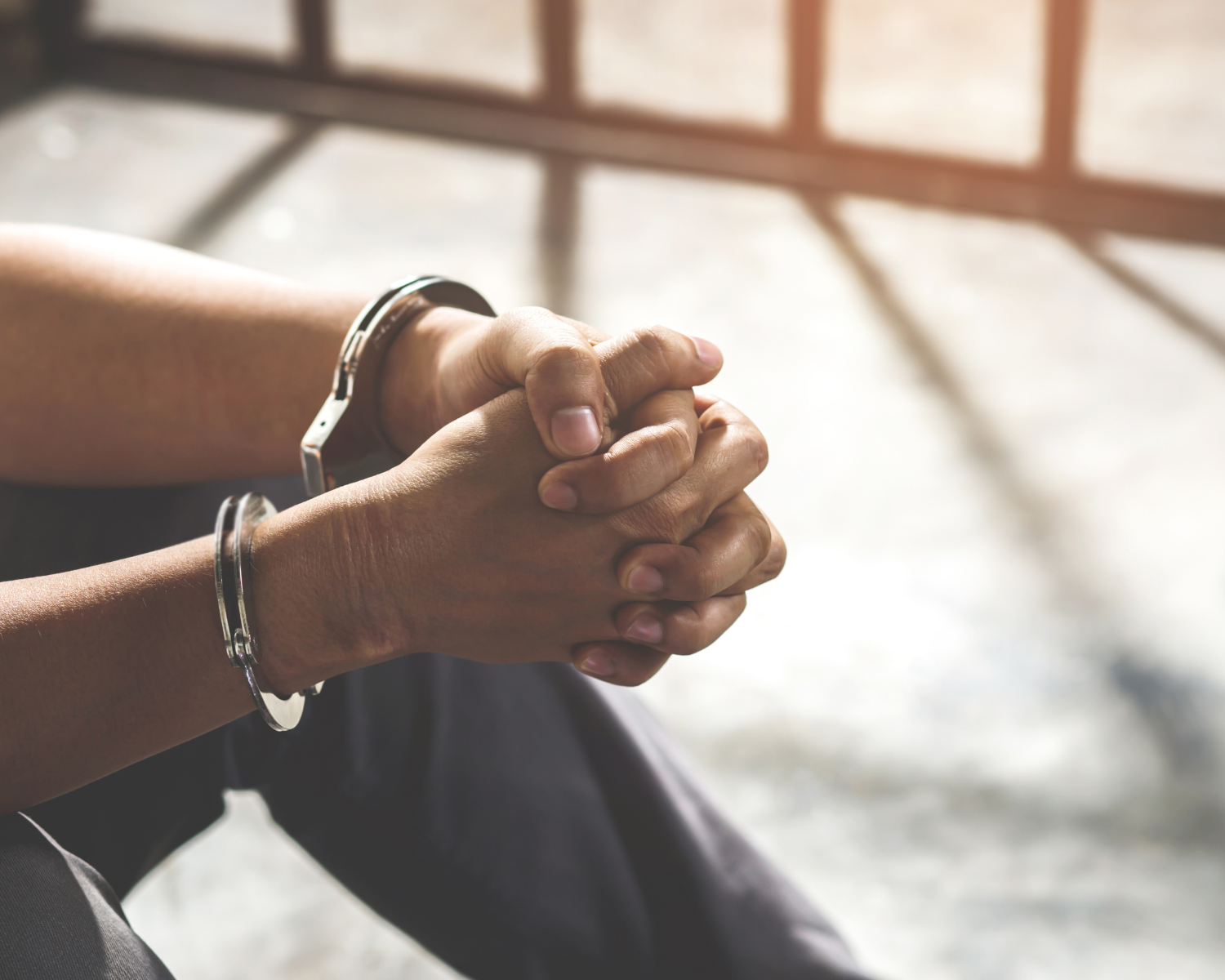
Why the window before an arrest is the most valuable time in a Baton Rouge criminal case, and the one almost nobody uses.
Almost every criminal defense lawyer in Baton Rouge has had the same conversation. A new client sits down, slides a police report across the table, and says something like: I already talked to the detective. I figured if I explained what really happened, it would go away.
It did not go away. It is now the strongest piece of evidence the State has, and it came out of the defendant’s own mouth, voluntarily, without a lawyer in the room.
The period between when police start looking at you and when they arrest you is the single most valuable window in a criminal case. It is also the only part of the process most people try to handle alone.
How to know you are already under investigation
People assume they will find out they are a suspect when the handcuffs come out. Usually there were signals weeks earlier.
- A detective calls, texts, or leaves a card at your door and asks you to come in and clear something up.
- Officers execute a search warrant at your home, your business, or your vehicle.
- Your phone, computer, or car is seized and not returned.
- Your bank, your employer, your accountant, or your internet provider tells you they received a subpoena about you.
- A friend, coworker, or family member says investigators came around asking questions about you.
- You receive a grand jury subpoena, or, in a federal case, a target letter from the United States Attorney’s Office.
- Someone files a protective order, or a child welfare agency opens a file, on facts that could also be charged criminally.
Any one of those means a file exists with your name on it. The decision about what to do with that file has not been made yet. That is the point.
Why talking your way out of it does not work
The instinct is powerful and it is almost always wrong. Here is what people underestimate.
Miranda warnings are not required for a voluntary interview. Those warnings attach to custodial interrogation. If you drive yourself to the station, walk in on your own, and are told you are free to leave, you have not been taken into custody, and there was no violation to suppress later. Everything you said comes in.
Police are permitted to use deception during an interview. An officer may tell you a witness identified you, that your DNA came back, or that your codefendant already gave a statement, when none of that is true. Courts in this country have long tolerated that tactic. You are being asked to respond to a version of the facts that may be invented.
You cannot take a statement back. Your account will be recorded and compared against phone records, camera footage, and other witnesses. Any detail that turns out to be wrong, including one you got wrong innocently, becomes evidence of consciousness of guilt. A truthful person with a bad memory looks exactly like a liar on a transcript.
You are not obligated to participate. The Fifth Amendment and Article I of the Louisiana Constitution protect your right not to give a statement, and declining is not evidence of guilt. The correct sentence is short: I am not going to answer questions without my attorney present. Then stop.
⚠ Confirm the current Louisiana constitutional provision and controlling case law on non-custodial interviews and police deception before citing anything specific from this section.
What a lawyer can actually do before you are arrested
This is the part clients do not know exists, because by the time they call, the window has closed.
Cut off the interview cleanly. Your attorney contacts the detective, states that you are represented and will not be giving a statement, and takes over communication. That ends the phone calls and the visits to your job. It also stops the drip of small admissions that come from repeated contact.
Get information out of the investigation. A lawyer can often learn what agency is involved, what the allegation is, and roughly where it stands, without exposing you to questioning in the process.
Put your side in front of the prosecutor before charges are filed. In Louisiana the district attorney decides what to charge, and has broad discretion over whether to institute prosecution at all. A defense presentation made during screening, before a bill of information is filed, is heard by someone who has not yet committed publicly to a position. Alibi documentation, phone records, text threads that show the real context, medical records, a witness the detective never contacted, all of it lands very differently at that stage than it does after arraignment.
Handle a grand jury the right way. In Louisiana, offenses punishable by death or life imprisonment must be presented to a grand jury. If you have been subpoenaed, you need to know whether you are a witness or a target, and those require completely different approaches.
Preserve evidence that is disappearing. Surveillance video from a store, a bar, or an apartment complex is often overwritten in days or weeks. A preservation letter sent early can save the footage that proves you were somewhere else. Nobody sends that letter for you.
Arrange a surrender instead of an arrest. If charges are coming anyway, your attorney can often coordinate a voluntary surrender at a scheduled time, with bond arrangements made in advance. That is the difference between a quiet morning at the East Baton Rouge Parish Prison intake and being taken out of your workplace in front of your coworkers, then sitting until you see a judge.
For context on that last point: after an arrest in Louisiana, you must be brought before a judge for appointment of counsel within seventy two hours, not counting weekends and legal holidays, under La. C.Cr.P. art. 230.1. Seventy two hours plus a holiday weekend is a long time in a cell. Arranging things in advance avoids it entirely.
⚠ Verify La. C.Cr.P. arts. 61, 230.1 and 382 and current district attorney screening practice in the parish before relying on any procedural detail above.
What not to do while you are under investigation
Some instincts make an ordinary case much worse.
- Do not delete texts, photos, emails, or accounts. Deletion is usually recoverable, and it converts a defensible case into an obstruction case.
- Do not contact the complaining witness, or have anyone contact them for you, including to apologize. That can be charged separately as intimidation or tampering.
- Do not post about it, and do not explain yourself in a group chat. Assume everything is discoverable.
- Do not consent to a search of your phone, your car, or your home because you have nothing to hide. Make them get a warrant.
- Do not assume that no news is good news. Some investigations sit quietly for months before an arrest warrant issues.
The cost argument, honestly
People wait because hiring a lawyer feels premature when nothing has happened yet. It is worth saying plainly that pre arrest representation is generally a fraction of what a defense costs once a case is filed, docketed, and set for trial, and it is the stage with the highest chance of the best possible outcome, which is that no charge is ever filed.
A case that never gets billed does not need to be expunged, does not appear in a background check, and does not have to be explained to an employer for the rest of your life.
If you got the call
Do not call the detective back. Do not go in to clear it up. Do not send a text explaining your side.
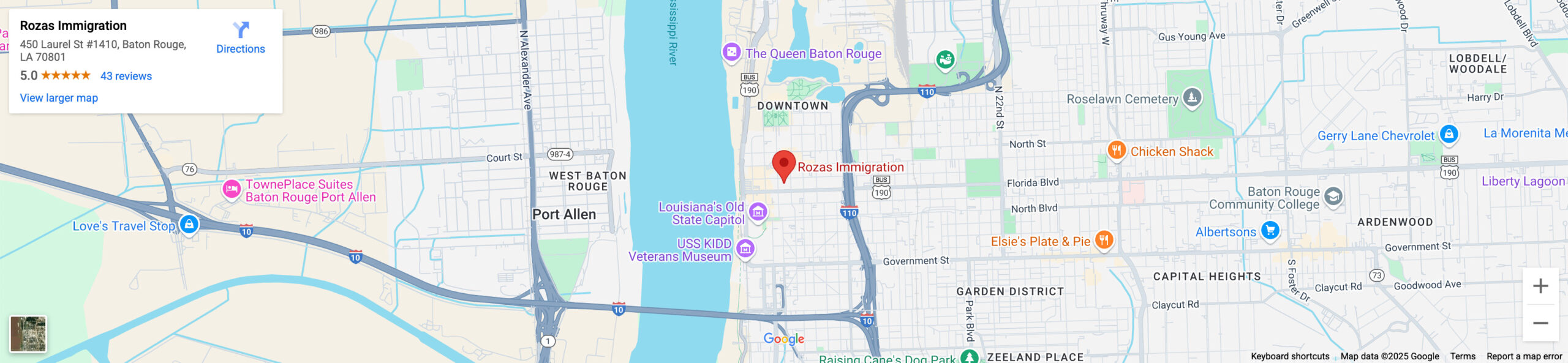
Rozas Law handles criminal defense in East Baton Rouge Parish and the surrounding parishes, in state court and in federal court in the Middle District of Louisiana. If you have been contacted by an investigator, received a target letter or a grand jury subpoena, or have reason to believe you are being looked at, call our Baton Rouge criminal arrest lawyer office before you say anything to anyone.