.svg)
Guide to Application for Adjustment of Status (Form I-485)
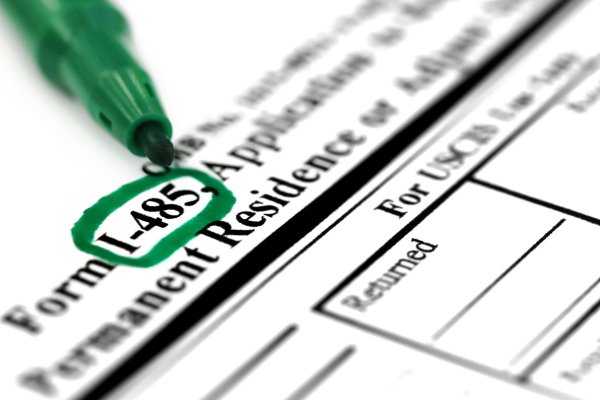
Navigating the U.S. immigration system can feel overwhelming, especially as green card policies and procedures continue to change. If you are seeking lawful permanent residency, you may have questions about Form I-485, Adjustment of Status, and whether this process is still available for your situation.
Recent USCIS policy updates have placed greater emphasis on consular processing as the standard pathway for many green card applicants, while confirming that Adjustment of Status is a discretionary immigration benefit reviewed case by case. Because these changes may affect eligibility, many applicants choose to consult with an immigration attorney before filing.
This guide explains the current Adjustment of Status process, common eligibility requirements, and what applicants across the United States should know before submitting Form I-485.
What Is Adjustment of Status?
Adjustment of Status is the process that allows certain eligible individuals already present in the United States to apply for lawful permanent resident status using Form I-485, Application to Register Permanent Residence or Adjust Status.
However, Adjustment of Status is not automatically available to everyone in the United States. USCIS has clarified that it is a discretionary benefit, and many applicants may instead need to complete consular processing through a U.S. embassy or consulate abroad, depending on immigration history, eligibility category, and current agency guidance.
For a deeper overview of this process, visit Rozas Law Firm’s Adjustment of Status resource.
Who May Be Eligible to File Form I-485?
Eligibility for Adjustment of Status depends on several factors and is determined on an individual basis.
USCIS generally reviews:
- Current immigration status
- Whether the applicant was lawfully admitted or paroled into the United States
- Immigrant visa category
- Whether an immigrant visa is immediately available
- Admissibility under U.S. immigration law
- Whether Adjustment of Status is available under current immigration policies
Although some immediate relatives of U.S. citizens may still qualify to file Form I-485, applicants should not assume Adjustment of Status is available simply because they are physically present in the United States.
Applicants exploring family-based, employment-based, or other immigration options can learn more through Rozas Law Firm’s main immigration services page.
The Form I-485 Application Process
If you may qualify to file Form I-485, the process generally includes:
Complete Form I-485
Carefully complete the application and provide accurate information about immigration history, eligibility category, and current status.
Gather Supporting Documentation
Applicants commonly submit proof of lawful admission or parole, passport records, birth certificates, financial documents, medical examination records, and other required evidence.
Submit the Application
Follow current USCIS filing instructions and verify the correct filing address before submitting, as procedures may change.
Attend Biometrics
Most applicants are scheduled for biometrics, where USCIS collects fingerprints, photographs, and signatures for identity verification and background checks.
Respond to USCIS Requests
If USCIS issues a Request for Evidence or schedules an interview, applicants must respond by the stated deadline with complete documentation.
Receive a Decision
USCIS reviews every application individually. If Adjustment of Status is unavailable, applicants may need to pursue another green card pathway.
For applicants comparing green card options, Rozas Law Firm provides more information on green card applications.
Supporting Documents for Form I-485
Required documents vary based on immigration category and personal circumstances, but common supporting evidence may include:
- Proof of lawful admission or parole
- Government-issued identification
- Birth certificate
- Marriage certificate, if applicable
- Affidavit of Support, if required
- Medical examination report
- Immigration records
- Court or police records, when applicable
If primary documents are unavailable, USCIS may accept certain secondary evidence in appropriate circumstances. Applicants should review current USCIS guidance and confirm documentation requirements before filing.
Processing Times and Current Immigration Changes
Processing times for Form I-485 vary depending on:
- USCIS workload
- Local field office scheduling
- Immigration category
- Case complexity
- Requests for additional evidence
- Interview availability
Applicants should review current USCIS processing times directly through USCIS rather than relying on fixed estimates.
Because immigration procedures continue to evolve, some applicants who previously expected to complete Adjustment of Status inside the United States may now need to pursue consular processing instead. Determining the appropriate pathway has become increasingly fact-specific and should be evaluated before filing.
Common Challenges With Adjustment of Status
Applicants may face challenges involving:
- Missing or incomplete documentation
- Requests for Evidence
- Inadmissibility concerns
- Prior immigration violations
- Criminal history
- Incorrect forms
- Processing delays
- Questions about Adjustment of Status versus consular processing
Applicants with complex visa histories or questions about nonimmigrant status can also review Rozas Law Firm’s visa services for additional guidance.
How Rozas Law Firm Can Help
Adjustment of Status is a closely reviewed area of U.S. immigration law. Determining whether Form I-485 is available, or whether consular processing is required, often depends on immigration history, eligibility category, and current USCIS guidance.
Rozas Law Firm’s bilingual immigration attorneys represent clients nationwide and help individuals and families evaluate Adjustment of Status eligibility, prepare Form I-485 applications, respond to Requests for Evidence, and determine the appropriate path forward based on individual circumstances.
Contact Rozas Law Firm to schedule a consultation and discuss your immigration options.